


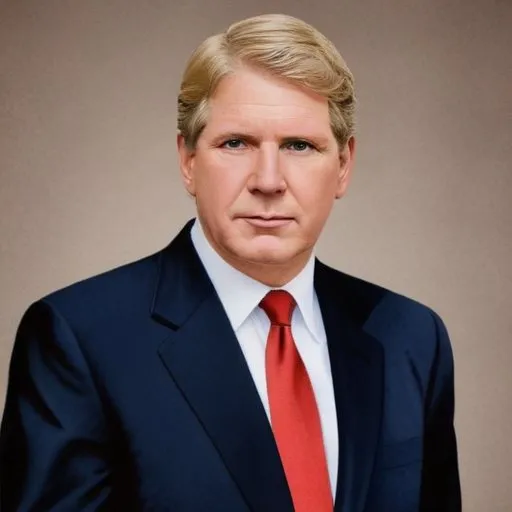
The 57th United States Secretary of State played a crucial role in shaping American foreign policy during the late 1970s, particularly in the Iran hostage crisis. He's known for his diplomatic efforts to resolve international conflicts peacefully.
Cyrus Vance, the 57th Secretary of State of the United States, is renowned for his emphasis on negotiation over conflict and his tireless pursuit of arms reduction during his tenure from 1977 to 1980. As a seasoned diplomat, Vance brought a unique approach to foreign policy, prioritizing dialogue and cooperation over aggression, shaping the course of international relations during a tumultuous era.
Born on March 27, 1917, in Clarksburg, West Virginia, Vance was the son of John Carl Vance II and Amy Roberts Vance. Following his father's unexpected death in 1922, Vance's mother moved the family to Switzerland, where he learned French at L'Institut Sillig in Vevey. His much older cousin, John W. Davis, an Ambassador to the United Kingdom and 1924 United States presidential candidate, became his mentor and adopted him.
Vance graduated from Kent School in 1935 and earned a bachelor's degree from Yale College in 1939. He went on to serve as Secretary of the Army and General Counsel of the Department of Defense during the Kennedy administration. In the Johnson administration, Vance served as the United States Deputy Secretary of Defense.
Vance's appointment as Secretary of State under President Jimmy Carter marked a significant shift in the country's approach to international relations. He championed detente with the Soviet Union, advocated for human rights, and negotiated several pivotal treaties, including the Camp David Accords and the Strategic Arms Limitation Talks (SALT II). Vance's diplomatic efforts earned him a reputation as a shrewd and effective negotiator.
In April 1980, Vance tendered his resignation in protest of Operation Eagle Claw, the secret mission to rescue American hostages in Iran. This bold move cemented his reputation as a man of integrity, willing to stand by his principles even in the face of adversity.
Vance's legacy extends far beyond his time in office. He was the father of Cyrus Vance Jr., the current Manhattan District Attorney. Throughout his life, Vance remained committed to public service, and his dedication to arms reduction and international cooperation continues to inspire diplomats and policymakers around the world.
Vance's diplomatic approach was rooted in a profound understanding of the complexity of international relations. He believed in the power of dialogue and cooperation, often citing the wisdom of his mentor, John W. Davis. Vance's diplomatic philosophy emphasized the importance of mutual respect, trust, and compromise in achieving lasting solutions.
Vance's diplomatic style was distinct from that of his contemporaries, such as Henry Kissinger and Alexander Haig. While others favored a more hawkish approach, Vance's emphasis on negotiation and diplomacy set him apart as a beacon of hope in a tumultuous era.
Vance's legacy continues to shape international relations today. His commitment to arms reduction, human rights, and diplomacy has inspired generations of diplomats and policymakers. As the world grapples with the challenges of the 21st century, Vance's vision of a more cooperative and peaceful world remains a beacon of hope.
78 Years Old
A highly influential American politician and diplomat who served as Secretary of State and First Lady, known for her advocacy on women's rights and international diplomacy.
65 Years Old
The first African American to hold the office, he served two terms as President of the United States, earning a Nobel Peace Prize for his efforts to strengthen international diplomacy and cooperation. He's known for his charismatic leadership and commitment to progressive values.
Born in 1917
A multitalented artist who made significant contributions to French New Wave cinema, directing iconic films like "Maya" and "Claude Sautet or The Invisible Master".
89 Years Old
The first female US Secretary of State, serving from 1997 to 2001, who played a key role in shaping American foreign policy during the Clinton administration. She's known for her strong diplomatic efforts and advocacy for democracy and human rights.
89 Years Old
The first African American to serve as Secretary of State, he played a crucial role in shaping US foreign policy during the Gulf War and War on Terror. He's also known for his diplomatic efforts and leadership in the military.
71 Years Old
The first African American woman to serve as Secretary of State, she played a crucial role in shaping US foreign policy during a tumultuous period, earning her a lasting legacy in international relations.
Born in 1920
An American economist and politician who served as the 60th United States Secretary of State, playing a key role in shaping foreign policy during the Cold War era. He's known for his diplomatic efforts to end the Cold War and his advocacy for economic freedom.
Born in 1923
A renowned diplomat and strategist who played a pivotal role in shaping global politics during the Cold War era, known for his Realpolitik approach and brokering peace agreements .
