


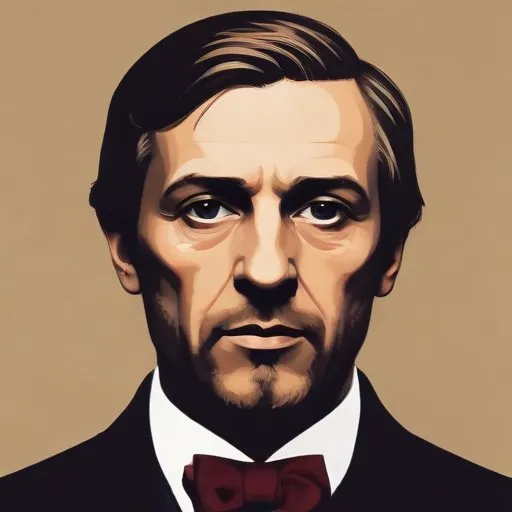
Wrote influential histories of Puritanism and the English Civil War, shedding light on the complexities of 17th-century England.
Daniel Neal, a prominent English historian, is renowned for his exhaustive works on the history of the Puritans, particularly his magnum opus, History of the Puritans. This comprehensive four-volume treatise, published between 1732 and 1738, cemented Neal's reputation as a meticulous researcher and erudite scholar.
Born on December 14, 1678, in London, Neal received his early education at the esteemed Merchant Taylors' School. He furthered his studies at the universities of Utrecht and Leiden, where he developed a profound interest in ecclesiastical history.
History of New England in 1720, which earned him an honorary Master of Arts degree from Harvard College.
Neal's collaboration with Dr. John Evans on a history of Nonconformity ultimately led to his solo authorship of The History of the Puritans. This seminal work, spanning four volumes, meticulously chronicles the lives and struggles of the Puritans from the Protestant Reformation to 1689.
The first volume of The History of the Puritans drew criticism from Isaac Maddox, who attacked Neal's methodology and accuracy. Undeterred, Neal responded with a pamphlet, A Review of the principal facts objected to in the first volume of the History of the Puritans. Later, Zachary Grey levied similar criticisms, but Neal chose not to engage in further debate.
History of the Puritans has been reprinted and edited multiple times, with notable editions appearing in 1797 and 1844. Dr. Joshua Toulmin's 1797 edition included a biographical sketch of Neal, providing valuable insights into the historian's life.
Daniel Neal married Elizabeth Lardner, with whom he had one son, Nathanael, and two daughters. His family life was marked by love and devotion, providing a stable foundation for his industrious scholarly pursuits.
Neal's life was a testament to his dedication to the pursuit of knowledge and his passion for sharing it with others. His contributions to the field of history have left an indelible mark, ensuring his place among the ranks of esteemed historians.
Born in 1643
A Scottish bishop, historian, and theologian who wrote influential works on the English Reformation and served as a close advisor to King William III. He's most known for his historical writings and ecclesiastical reforms.
Born in 1737
Wrote "The History of the Decline and Fall of the Roman Empire", a monumental work that shaped the field of historiography and remains a classic in the study of ancient civilizations.
Born in 1711
A Scottish Enlightenment thinker who developed influential ideas on morality, ethics, and human nature, and is considered one of the most important figures in the history of Western philosophy.
Born in 1721
A Scottish historian who wrote influential works on the history of Scotland, America, and India, shaping the way people understood these regions and their past.
Born in 1798
A 19th-century French historian and philosopher who pioneered a new approach to historical writing, focusing on the lives and experiences of ordinary people, rather than just monarchs and elites. He's also known for his vivid and poetic writing style.
Born in 1795
A pioneering historian who revolutionized the field by emphasizing empirical research and primary sources, known for his meticulous and objective approach to historical writing.
