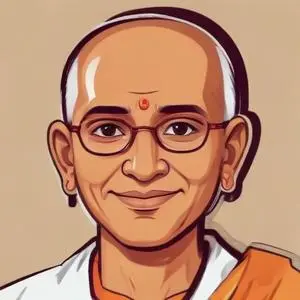
Dayananda Saraswati: The Visionary Hindu Philosopher and Social Reformer
A Champion of Vedic Ideals and Social Change
Dayananda Saraswati was a renowned Hindu philosopher, social leader, and founder of the Arya Samaj, a influential reform movement of Hinduism. He is best known for his trailblazing work in promoting Vedic ideals, denouncing idolatry, and advocating for the rights of women and the marginalized.
Early Life and Education
Born on February 12, 1824, in Tankara, Gujarat, India, Dayananda Saraswati was originally named Mool Shankar Tiwari Trivedi. He was born into a Brahmin family and was drawn to spirituality from an early age. His father, Karshanji Lalji Trivedi, and mother, Yashodabai, instilled in him a strong sense of morality and the importance of education.
The Founding of Arya Samaj
In 1875, Dayananda Saraswati founded the Arya Samaj, a reform movement aimed at revitalizing Hinduism and promoting social change. The movement sought to eradicate superstition, idolatry, and social evils, and instead, promote education, women's empowerment, and the rights of the marginalized.
Philosophical Contributions and Beliefs
Dayananda Saraswati was a strong advocate for the authority of the Vedas, the ancient Hindu scriptures. He believed in the doctrines of karma and reincarnation, and emphasized the importance of brahmacharya, or celibacy and devotion to God. He also advocated for the equal rights of women, education for all, and the abolition of untouchability.
Influence on Modern Society
Dayananda Saraswati's ideas and philosophies have had a profound impact on modern Indian society. He is credited with inspiring many Indian nationalists, including
Mahatma Gandhi, and is often referred to as one of the "makers of Modern India." His emphasis on education, women's empowerment, and social reform continues to inspire Indians to this day.
Major Works and Legacy
Dayananda Saraswati's most influential work is his book,
, which has remained a seminal text on Vedic philosophy and Hindu reform. His legacy can be seen in the many institutions and organizations that continue to promote his ideals, including schools, colleges, and social service organizations.
Personal Milestones and Key Life Events
- Founded the Arya Samaj in 1875
- Published in 1875
- Toured India, spreading his message of social reform and Vedic ideals
- Influenced many Indian nationalists, including Mahatma Gandhi
Inspirational Quotes
- "The Vedas are the repository of divine knowledge and wisdom."
- "Education is the key to social change and empowerment."
- "Women's rights and empowerment are essential for a prosperous society."
A Legacy of Social Change
Dayananda Saraswati's life and legacy serve as a testament to the power of social reform and the importance of promoting Vedic ideals. His commitment to education, women's empowerment, and the rights of the marginalized continues to inspire generations of Indians and beyond.
FAQ
What was Dayananda Saraswatis role in the Indian independence movement?
Dayananda Saraswati was a key figure in the Indian independence movement, advocating for Indian self-rule and inspiring many Indian nationalists, including Mahatma Gandhi.
What was Dayananda Saraswatis contribution to Hindu reform?
Dayananda Saraswati was a leading figure in Hindu reform, advocating for social and religious reform, such as the abolition of caste, sati, and child marriage. He founded the Arya Samaj, a Hindu reform movement that promoted social justice and education.
How did Dayananda Saraswatis teachings influence Indian society?
Dayananda Saraswatis teachings had a significant impact on Indian society, promoting education, social justice, and womens empowerment. He also inspired a new generation of Indian leaders and reformers.
What was Dayananda Saraswatis view on caste and social hierarchy?
Dayananda Saraswati was a fierce critic of the caste system and social hierarchy, believing that all individuals should be equal and have access to education and opportunities regardless of their social background.
What is Dayananda Saraswatis legacy in Indian history?
Dayananda Saraswatis legacy in Indian history is that of a pioneering social and religious reformer who inspired a new generation of Indians to work towards independence, social justice, and education.