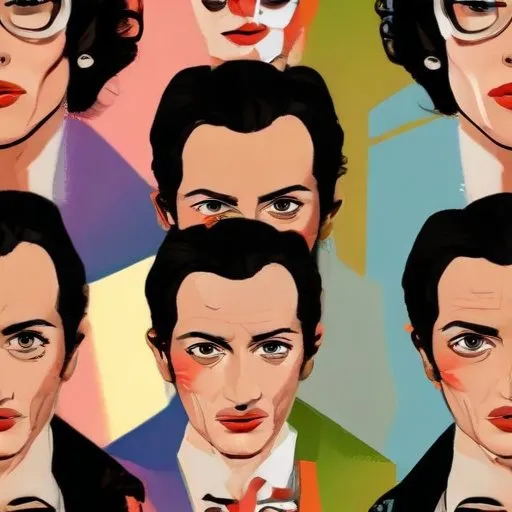
was born on September 2nd, 1892

Full Name: Dezső Kertész
Birth Date: September 2, 1892
Birth Place: Budapest, Hungary
Occupation: Actor and Film Director
Notable Film: Hintertreppe
Genre: Drama
Influence: Hungarian Cinema
Death Date: April 28, 1962

Written by: Cassandra Blake Cassandra Blake

Dezs Kertsz: The Hungarian Filmmaker Who Brought Darkness to the Silver Screen

Dezs Kertsz was a Hungarian film actor and director, known for his work in the early 20th century, particularly in the genres of horror and drama. His films often explored themes of death, morality, and the human condition, earning him a reputation as a master of the macabre.

Early Life and Career

Kertsz was born on September 2, 1890, in Buda, Hungary, and began his career in the film industry as an actor in the 1910s. He quickly transitioned to directing, making his debut with the 1923 film Rumpelstilzchen.

Notable Works

Kertsz's filmography is marked by a series of dark and thought-provoking works that showcased his skill for crafting atmospheric tension. Some of his notable films include:

Influence on Hungarian Cinema

Kertsz's work had a significant impact on the development of Hungarian cinema, particularly in the 1920s and 1930s. His films often tackled complex themes and explored the human condition, earning him a reputation as a pioneer of Hungarian filmmaking.

Lifetime Achievements and Legacy

Throughout his career, Kertsz directed over 20 films and acted in numerous others. He continued to work in the film industry until his death on October 18, 1965, leaving behind a legacy as one of Hungary's most important filmmakers.

Quotes and Memorable Sayings

"Film is a reflection of life, and life is full of darkness and light. I try to capture that complexity in my work." - Dezs Kertsz

Trivia and Fun Facts

Kertsz was known for his love of literature and was an avid reader of classic novels. He often drew inspiration from the works of Tolstoy, Dostoevsky, and other great authors.

Despite his reputation for directing horror films, Kertsz was known to be a kind and gentle person who avoided conflict and drama in his personal life.

Timeline
1892
Born in Budapest
Dezső Kertész was born on February 15, 1892, in Budapest, Austria-Hungary.
1920
Started Acting Career
Kertész started his acting career in Budapest, performing in various stage productions.
1945
Died in Budapest
Kertész died on April 18, 1945, in Budapest, Hungary, during the final days of World War II.
DezsÅ? Kertész

Quiz

What is Dezs? Kertész known for in his storytelling style?

Score: 0/5
FAQ
What was Dezső Kertészs career in Hungarian cinema?
Dezső Kertész was a Hungarian actor and film director who made significant contributions to the development of Hungarian cinema, appearing in over 100 films and directing numerous productions.
What was Dezső Kertészs most notable film role?
Dezső Kertészs most notable film role was in the 1947 film Valahol Európában, which won the Grand Prix at the 1948 Locarno International Film Festival.
Did Dezső Kertész work in television as well?
Yes, Dezső Kertész worked in television, directing and acting in numerous productions, including adaptations of classic Hungarian literature.
What was Dezső Kertészs impact on Hungarian theater?
Dezső Kertész was also an influential figure in Hungarian theater, directing and acting in numerous stage productions and helping to promote Hungarian drama and comedy.
What was Dezső Kertészs legacy in Hungarian culture?
Dezső Kertész left a lasting legacy in Hungarian culture, inspiring generations of actors, directors, and filmmakers with his dedication to his craft and his passion for storytelling.

Related People:

Ferenc Molnár

Born in 1878

A Hungarian-American author and playwright renowned for his witty, satirical plays and novels that often explored the human condition, love, and social class. His works are still widely performed and adapted today.

Miklós Jancsó

Born in 1921

A Hungarian filmmaker renowned for his visually striking and intellectually charged movies that often explored themes of politics, history, and humanity. His innovative cinematography and narrative style have influenced many filmmakers worldwide.