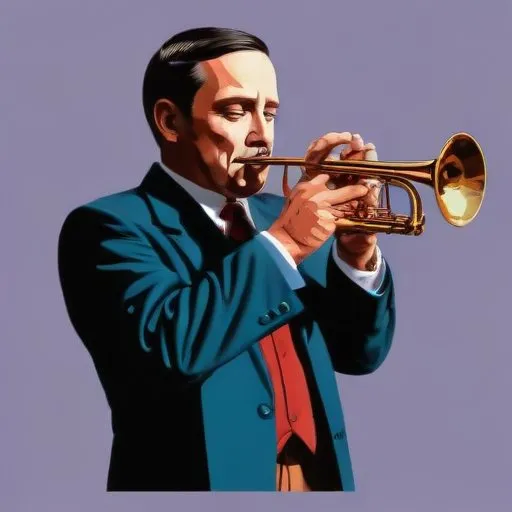
Dick Sudhalter

Dick Sudhalter

Dick Sudhalter was born on December 28th, 1938

Full Name: Richard Merrill Sudhalter
Profession: Trumpet player
Nationality: American
Instrument: Trumpet
Role: Scholar and critic
Field: Jazz music
Occupation: Musician
Born: May 28, 1938

A renowned trumpet player, jazz scholar, and critic, known for his expertise in early jazz and his ability to blend performance and scholarship. He wrote extensively on jazz history and was a sought-after performer.

Written by: Emma Thompson Emma Thompson

Dick Sudhalter: The Jazz Trumpeter and Writer Who Redefined the Genre

A Musical Legacy Born from Family Ties

Dick Sudhalter, an American jazz trumpeter, and writer, left an indelible mark on the world of jazz music. Born on December 28, 1938, in Boston, Massachusetts, Sudhalter's musical career was inspired by his father, Al Sudhalter, a renowned saxophone soloist in the Boston area.

A Life of Music and Writing

Sudhalter began playing the cornet at the tender age of 12 and soon found himself performing professionally. After graduating from Oberlin College, he moved to Europe in 1964, where he became a correspondent for United Press International. During his 12-year stint in Europe and the UK, Sudhalter wrote under the pseudonym Art Napoleon, penning jazz criticism for the New York Post from 1978 to 1984.

Literary Works: Unveiling the Lives of Jazz Legends

Sudhalter's literary works are a testament to his passion for jazz. In 1974, he co-authored "Bix: Man and Legend" with Philip R. Evans, a biography of jazz cornetist Bix Beiderbecke. This seminal work was the first jazz biography to be nominated for a National Book Award. Music critic Terry Teachout hailed it as "a landmark of jazz scholarship."

Sudhalter's other notable works include "Lost Chords: White Musicians and Their Contribution to Jazz, 1915-1945" (1999) and "Stardust Melody" (2002), the first full-length biography of Hoagy Carmichael. "Lost Chords" sparked controversy by highlighting the contributions of both black and white musicians to the development of jazz.

Awards and Accolades

Sudhalter's literary endeavors were met with critical acclaim. He received an ASCAP Deems Taylor Special Citation for Excellence for "Lost Chords" and a Grammy Award in 1983 for his liner notes for "Bunny Berigan: Giants of Jazz."

A Life Marked by Triumph and Tragedy

In 2003, a stroke forced Sudhalter to retire from playing the trumpet. He then developed multiple system atrophy, a debilitating disease that left him unable to speak. Despite these challenges, Sudhalter's legacy continues to inspire generations of jazz enthusiasts.

Legacy: Preserving the Soul of Jazz

Dick Sudhalter's life was a testament to the power of music and writing. Through his literary works and musical performances, he preserved the essence of jazz, ensuring its continued relevance in modern times. As a trumpeter, writer, and critic, Sudhalter left an indelible mark on the jazz world, cementing his place as one of the genre's most revered figures.
Timeline
1938
Born in Boston, Massachusetts
Dick Sudhalter was born on December 28, 1938, in Boston, Massachusetts, USA.
1955
Started Music Career
Sudhalter began his music career as a trumpet player, performing with various jazz bands in the US.
1974
Published Bix: Man and Legend
He published his book Bix: Man and Legend, a biography of jazz musician Bix Beiderbecke.
1986
Won Grammy Award
Sudhalter won a Grammy Award for his liner notes for the album The Complete Decca Sessions by Benny Goodman.
2008
Died of Natural Causes
Dick Sudhalter died on September 19, 2008, at the age of 69, due to natural causes.
Dick Sudhalter

Dick Sudhalter Quiz

Dick Sudhalter was known for his expertise in which genre of music?

Score: 0/5
FAQ
What was Dick Sudhalters role in jazz music?
Dick Sudhalter was an American trumpet player, scholar, and critic who made significant contributions to jazz music. He was known for his expertise on early jazz and its history.
What is Dick Sudhalters most notable book?
Dick Sudhalters most notable book is Lost Chords: White Musicians and Their Contribution to Jazz, 1915-1945, which explores the role of white musicians in the development of jazz.
What awards did Dick Sudhalter win?
Dick Sudhalter won several awards, including the Grammy Award for Best Album Notes for The Complete Hank Williams and the ASCAP-Deems Taylor Award for his writing on jazz.
How did Dick Sudhalter contribute to jazz scholarship?
Dick Sudhalter contributed to jazz scholarship through his writing, teaching, and research. He was a respected authority on early jazz and its history, and his work helped to shape the field of jazz studies.
What was Dick Sudhalters style as a trumpet player?
Dick Sudhalters style as a trumpet player was characterized by his lyrical approach and his ability to evoke the spirit of early jazz. He was influenced by musicians such as Louis Armstrong and Bix Beiderbecke.

Related People:

Louis Armstrong

Born in 1901

A legendary jazz musician who revolutionized the genre with his unique trumpet playing and raspy vocals, leaving an indelible mark on American music.

Duke Ellington

Born in 1899

A legendary jazz pianist, composer, and bandleader who revolutionized the genre with his unique style and iconic compositions, such as "Take the A Train" and "Mood Indigo".

Count Basie

Born in 1904

A legendary jazz pianist and bandleader who led a iconic orchestra, blending swing and blues to create a unique sound that influenced generations of musicians. Known for his distinctive "less-is-more" style and hits like "April in Paris" and "One O'Clock Jump".

Benny Goodman

Born in 1909

A virtuosic clarinetist and bandleader, known as the "King of Swing," who revolutionized jazz music with his energetic and sophisticated style, leading a racially integrated orchestra in the 1930s.

Artie Shaw

Born in 1910

A virtuosic clarinetist and innovative bandleader, he revolutionized the swing era with his unique sound and iconic hits like "Begin the Beguine" and "Stardust".

Glenn Miller

Born in 1904

A legendary trombonist, composer, and bandleader who led one of the most popular big bands of the 1930s and 1940s, creating iconic hits like "In the Mood" and "Moonlight Serenade".

Woody Herman

Born in 1913

A legendary jazz musician and bandleader, known for his virtuosic saxophone and clarinet playing, and leading his iconic orchestra through the swing and bebop eras.

Bobby Hackett

Born in 1915

A virtuosic jazz trumpeter and cornetist, renowned for his lyrical, warm tone and mastery of swing and Dixieland styles.