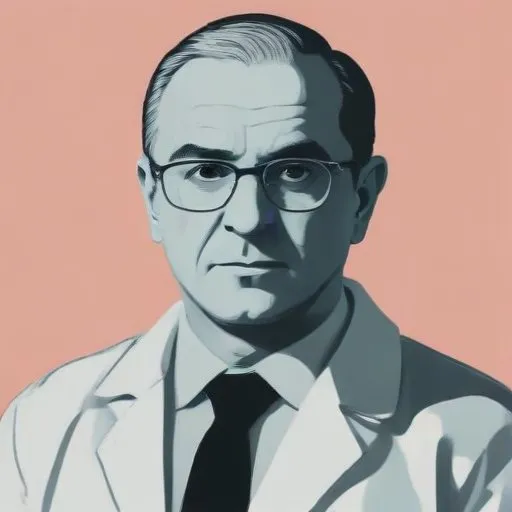
Dimitrios Trichopoulos: The Pioneering Epidemiologist Behind the Mediterranean Diet and Tobacco Harms Research
A Leading Expert in Cancer Prevention and Epidemiology
Dimitrios Trichopoulos, a renowned Greek epidemiologist, is best known for his groundbreaking research on the Mediterranean Diet and the devastating effects of tobacco smoke on human health. As a Vincent L. Gregory Professor of Cancer Prevention and Professor of Epidemiology at the Harvard School of Public Health, Trichopoulos dedicated his career to understanding the causes and prevention of cancer, earning him a reputation as a leading authority in the field.
Early Life and Education
Born on December 9, 1938, in Greece, Trichopoulos pursued his passion for epidemiology and public health at the University of Athens, where he earned his medical degree. He furthered his education at the University of London, receiving a Ph.D. in epidemiology.
Career Highlights and Major Works
Trichopoulos' research career spanned over four decades, during which he published an impressive 1,000+ scientific papers. Some of his most notable contributions include:
- Linking secondhand smoke to increased susceptibility to lung cancer risk
- Documenting the connection between hepatitis B virus, tobacco smoking, and primary liver cancer (hepatocellular carcinoma)
- Showing that surgically induced and early natural menopause reduces breast cancer risk
- Investigating the impact of psychological stress following an earthquake in Athens on cardiac death risk
A Pioneer in Oncology Epidemiology and Prevention
Trichopoulos was a trailblazer in his field, making several significant firsts:
- First to propose that in utero exposures play a major role in breast cancer causation (1990)
- First to report that secondhand smoke increases the risk of lung cancer (1981)
Philosophical Contributions and Beliefs
Throughout his career, Trichopoulos emphasized the importance of preventive measures in public health. He believed that understanding the causes of cancer and other diseases was crucial to developing effective prevention strategies.
Personal Milestones and Key Life Events
Trichopoulos passed away on December 1, 2014, but his legacy continues to inspire new generations of epidemiologists and public health professionals.
Influence on Modern Society
Trichopoulos' work has had a profound impact on our understanding of the risks associated with tobacco smoke and the benefits of the Mediterranean Diet. His research has influenced public health policies and informed the development of evidence-based prevention strategies.
Quotes and Memorable Sayings
"
Prevention is the most effective way to combat cancer and other diseases." - Dimitrios Trichopoulos
Historical Context and Legacy
Trichopoulos' contributions to the field of epidemiology and public health have left an indelible mark on the scientific community. His work continues to inform and inspire researchers, policymakers, and healthcare professionals worldwide.
Comparative Analysis with Contemporaries
Trichopoulos' research and findings have been cited and built upon by numerous scientists and researchers in the field. His work stands out for its rigor, complexity, and significance, earning him a reputation as one of the most influential epidemiologists of his time.
FAQ
What is Dimitrios Trichopoulos most notable research contribution?
Dimitrios Trichopoulos is best known for his groundbreaking research on the link between diet and cancer. His work has shown that a Mediterranean diet low in saturated fats and high in fruits, vegetables, and whole grains can reduce the risk of certain cancers.
How did Dimitrios Trichopoulos research impact public health policy?
Dimitrios Trichopoulos research has had a significant impact on public health policy, influencing national guidelines on nutrition and cancer prevention. His work has also informed the development of cancer screening programs and early detection strategies.
What awards did Dimitrios Trichopoulos receive for his work?
Dimitrios Trichopoulos has received numerous awards for his contributions to cancer research, including the prestigious AACR-American Cancer Society Award for Research Excellence in Cancer Epidemiology and Prevention.
How did Dimitrios Trichopoulos balance research and clinical practice?
Dimitrios Trichopoulos balanced his research career with clinical practice, working as a practicing oncologist and epidemiologist. This dual role allowed him to translate his research findings into practical applications for patients.
What legacy did Dimitrios Trichopoulos leave in the field of epidemiology?
Dimitrios Trichopoulos legacy in the field of epidemiology is one of rigorous scientific inquiry, passionate advocacy, and dedicated mentorship. He has inspired generations of researchers and health professionals to pursue careers in cancer research and public health.