


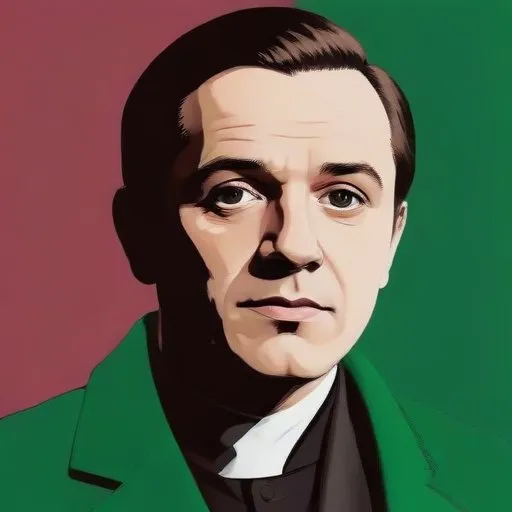
A renowned Irish actor and playwright, he wrote and performed in numerous melodramas, including "The Colleen Bawn" and "The Shaughraun", which were hugely popular in the 19th century. He's known for his sensational and romanticized portrayals of Irish life.
Dion Boucicault, an Irish actor and playwright, is renowned for his captivating melodramas that enthralled audiences on both sides of the Atlantic in the late 19th century. Boucicault's work brought him international acclaim, earning him the title of one of the most successful actor-playwright-managers of the English-speaking theatre during his time.
Born Dionysius Lardner Boursiquot on December 26, 1820, in Dublin, Ireland, Boucicault's family lived on Gardiner Street. His mother, Anne Maria Laura Beresford, was a member of the distinguished Anglo-Irish Dublin family, the Darleys, and was related to the Guinnesses by marriage. The identity of Boucicault's father remains uncertain, with speculation suggesting it was Dionysius Lardner, a professor of natural philosophy and astronomy at University College, London, who provided financial support to Boucicault until 1840.
Boucicault attended various schools in and around London, including a small private school in Hampstead and University College School, where he formed a lasting friendship with Charles Kenney. His education and family background laid the foundation for his future success in the world of theatre.
Boucicault began his acting career in the 1840s, making his debut in London's West End. He quickly gained recognition for his impressive performances, which led to him becoming a member of various theatre companies, including the Drury Lane Theatre and the Theatre Royal, Haymarket.
In the 1850s, Boucicault transitioned from acting to playwriting, penning over 150 plays, many of which were massive hits. His melodramas, such as The Colleen Bawn (1860) and The Shaughraun (1874), captivated audiences with their sensational plots, vivid characters, and emotional intensity.
In the 1870s, Boucicault's success reached new heights as he toured the United States with his plays. He became a household name in America, with his plays being performed to packed houses across the country. In 1873, Boucicault and his second wife, Agnes Robertson Boucicault, applied for and received American citizenship.
Boucicault's influence on the development of melodrama and the theatre industry as a whole is immeasurable. He was a true pioneer, pioneering the concept of the "sensation drama" and pushing the boundaries of what was permissible on stage.
The New York Times hailed him as "the most conspicuous English dramatist of the 19th century" in his obituary, a testament to his enduring impact on the world of theatre.
Boucicault's personal life was marked by tragedy, including the loss of his first wife, Anne Leigh, and his daughter, who died in infancy. He married Agnes Robertson Boucicault in 1853, and the couple had three children together.
A charismatic figure, Boucicault was known for his wit and charm, often regaling his friends and colleagues with stories of his adventures and escapades.
One of Boucicault's most famous quotes is: "The drama is a vast and wonderful engine, capable of moving the passions, and of stirring the depths of human nature."
This quote encapsulates his passion for the theatre and his ability to craft stories that resonated with audiences on a deep emotional level.
Born in 1812
A renowned author of timeless classics, crafting vivid stories that exposed social injustices and explored the human condition, leaving an indelible mark on literature.
Born in 1811
Satirical novelist and illustrator of Victorian society, known for his witty and insightful portrayals of the English upper class, particularly in his novel "Vanity Fair".
Born in 1854
A witty and flamboyant literary mastermind, renowned for crafting clever, humorous, and poignant works that continue to delight audiences with their clever wordplay and societal commentary.
Born in 1856
A renowned Irish playwright and critic, known for his witty, thought-provoking plays that often challenged social norms and conventions. His works include Pygmalion and My Fair Lady.
Born in 1855
A renowned figure in London's West End, he wrote and directed numerous plays, often blending comedy and drama, and was a pioneer of the "problem play" genre. His works tackled social issues, sparking controversy and conversation.
Born in 1838
A renowned Victorian-era actor and theatre manager, known for his powerful stage presence and innovative productions that raised the standards of English theatre.
Born in 1847
A renowned stage actress of the late 19th and early 20th centuries, celebrated for her powerful performances in Shakespearean plays and her iconic beauty.
Born in 1904
A renowned thespian, celebrated for his commanding stage presence and iconic performances in Shakespearean plays and films, earning him a knighthood.
