


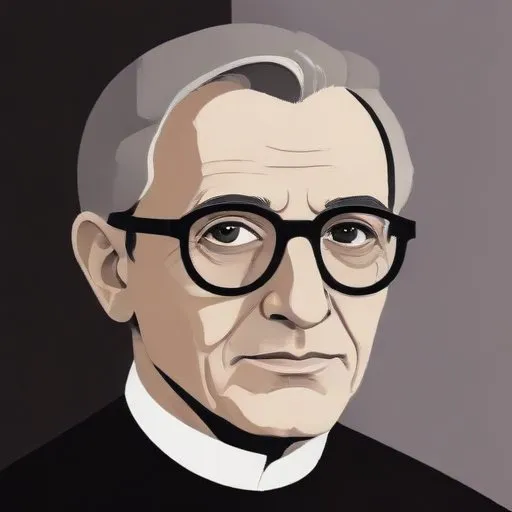
An 18th-century Neapolitan composer and educator, he wrote operas and sacred music, and taught prominent composers like Pergolesi and Vinci. His works showcase a unique blend of Baroque and Classical styles.
Known for his illustrious contributions to the world of opera, Domenico Sarro was an Italian composer who left an indelible mark on the 18th-century music scene. His most celebrated work, Achille in Sciro, premiered in 1737 at the Teatro di San Carlo, cementing his status as a master of Neapolitan opera.
Born on December 24, 1679, in Trani, Apulia, Sarro's journey in music began at the Neapolitan conservatory of S. Onofrio, where he honed his skills under the guidance of esteemed mentors. This fertile ground laid the foundation for his future success.
Sarro's oeuvre boasts an impressive array of operas, showcasing his versatility and innovative spirit. One of his earliest works, Didone abbandonata, premiered in 1724 and featured a libretto by the renowned Pietro Metastasio. This collaboration marked the first setting of a major libretto by the esteemed poet, further solidifying Sarro's reputation as a trailblazer in the opera world.
Sarro's impact on Neapolitan opera is undeniable, influencing generations of composers to come. His works, characterized by their lyrical beauty and dramatic flair, have been lauded for their unique blend of innocence and sophistication.
The only known depiction of Domenico Sarro can be found in Nicol Maria Rossi's painting, La festa dei Quattro Altari, created in 1745. This rare glimpse into Sarro's life showcases him as part of the vibrant Neapolitan Court, surrounded by fellow artists and patrons.
Domenico Sarro's remarkable journey came to an end on January 25, 1744. However, his legacy continues to resonate through the corridors of opera houses, inspiring new generations of musicians and music lovers alike.
In the realm of opera, Sarro's name remains synonymous with innovation, beauty, and drama. His works continue to enchant audiences, cementing his status as one of the most significant figures in Neapolitan opera history.
Born in 1782
A virtuosic violinist and composer who revolutionized the instrument's technical possibilities, leaving an indelible mark on classical music.
Born in 1792
Operatic mastermind behind iconic comedies like "The Barber of Seville" and "William Tell," crafting catchy, witty, and playful music that still delights audiences today.
Born in 1797
A renowned Italian composer of the Romantic era, best known for his operas, particularly "L'elisir d'amore" and "Don Pasquale", which are still widely performed today.
Born in 1801
Operatic mastermind behind bel canto classics like "Norma" and "La Sonnambula", renowned for their beautiful, expressive melodies and dramatic flair.
Born in 1813
A renowned composer of iconic operas like La Traviata and Aida, known for his masterful blending of drama and music. His works continue to captivate audiences worldwide.
Born in 1740
An 18th-century Italian composer and educator, known for his operas and contributions to the development of classical music. His works were widely performed and admired by European royalty and aristocracy.
Born in 1749
An 18th-century Italian composer and educator, known for his operas and sacred music, particularly his comic operas that showcased his mastery of melody and harmony.
Born in 1714
A prominent composer of the Neapolitan School, he wrote over 80 operas and was a key figure in the transition between the Baroque and Classical periods. His music was known for its dramatic intensity and expressive melodies.
