


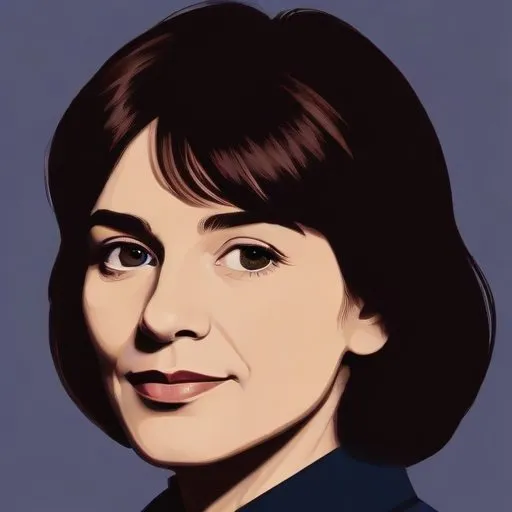
A pioneering feminist and literary critic, known for her radical views on gender and sexuality, and her influential editorship of the avant-garde magazine The Egoist.
Dora Marsden was a trailblazing English suffragette, editor, and philosopher who left an indelible mark on the feminist movement and literary modernism. She is best known for her radical views on feminism, her criticism of the Pankhursts' Women's Social and Political Union (WSPU), and her groundbreaking journal, The Freewoman.
Born on March 5, 1882, in Marsden, Yorkshire, Dora was raised in a working-class family that struggled with poverty. Despite the odds, she excelled in school and became one of the first generations to benefit from the Elementary Education Act of 1870. Her academic prowess earned her a Queens Scholarship, which enabled her to attend Owens College in Manchester (later Victoria University of Manchester). She graduated in 1903 and went on to teach school, eventually becoming the headmistress of the Altrincham Teacher-Pupil Center in 1908.
In 1909, Dora Marsden joined the WSPU, participating in protests and demonstrations that demanded women's suffrage. Her activism led to her arrest in October 1909, along with other WSPU members, for interrupting a speech by the chancellor of her alma mater. This marked the beginning of her rise to prominence in the suffrage movement.
In 1911, Dora Marsden broke away from the WSPU to found The Freewoman, a journal that provided a platform for more radical voices in the feminist movement. The publication became a beacon for those seeking a more inclusive and decentralized approach to feminist activism. Through The Freewoman, Marsden challenged the Pankhursts' domination of the WSPU and advocated for a more individualistic and egalitarian approach to feminism.
Dora Marsden's philosophical contributions extended beyond feminism, as she critiqued the notion of "egoism" and explored the relationship between language and power. Her ideas on language and philosophy continue to influence literary modernism and feminist theory to this day.
Despite facing criticism and opposition during her lifetime, Dora Marsden's contributions to the suffrage movement, feminist theory, and literary modernism have cemented her place as a pioneering figure in modern history.
Dora Marsden's remarkable life and legacy serve as a testament to the power of radical thinking and activism. Her contributions continue to inspire and challenge us to strive for a more equal and just society.
Born in 1885
A pioneering writer of the early 20th century, known for exploring themes of human nature, relationships, and the clash between individual desire and societal expectations through novels like "Sons and Lovers" and "Lady Chatterley's Lover".
Born in 1885
A pioneering modernist poet and critic who transformed 20th-century literature with innovative styles and provocative ideas, shaping the course of modern poetry.
Born in 1882
A pioneering modernist writer, known for experimental novels and short stories that explore the human experience, particularly in Dublin, Ireland. His works are celebrated for their complex, lyrical prose and innovative narrative structures.
Born in 1882
A pioneering figure in the Vorticist movement, creating avant-garde paintings and writings that critiqued modern society, blending art and literature.
Born in 1873
A pioneering modernist writer, credited with influencing 20th-century literature through experimental novels and poetry that explored the human condition. Known for his impressionistic style and complex characters.
Born in 1888
A renowned poet, playwright, and critic who reshaped modern poetry with works like "The Waste Land" and "Old Possum's Book of Practical Cats", influencing literature and art with their unique style.
Born in 1882
A pioneering author of modernist literature, known for experimental novels and essays that explored the human experience, blurring the lines between reality and fiction.
Born in 1879
This celebrated author crafted novels and plays that probed the human condition, exploring themes of social class, morality, and personal relationships, with a distinctive wit and insight. Their works continue to captivate audiences with their nuanced portrayals of English society during the early 20th century.
