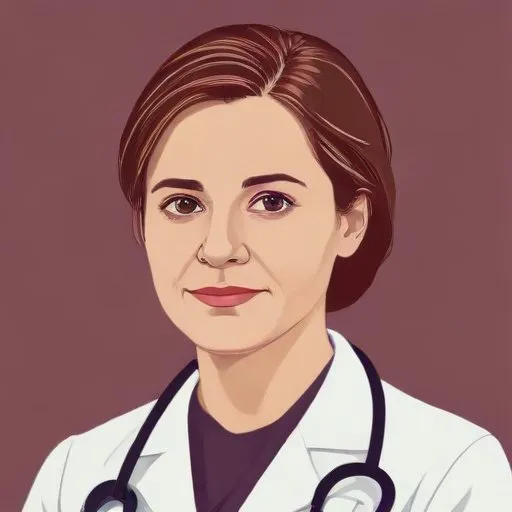
Dorothea Erxleben: The Trailblazing Female Doctor Who Defied Convention
A Pioneer in Medicine
Dorothea Erxleben, a German doctor, made history by becoming the first female doctor of medicine in Germany. Born on November 13, 1715, in Quedlinburg, Germany, Erxleben shattered the glass ceiling in a male-dominated profession, paving the way for future generations of women in medicine.
Early Life and Inspiration
Erxleben's father, Christian Polycarp Leporin, a progressive physician, recognized her aptitude for medicine and encouraged her interest in the field. Educated at home, Erxleben was inspired by her father's work and desired to attend medical school, just like her brother. Her determination led her to petition King
Frederick the Great of Prussia for permission to enter the University of Halle.
Overcoming Obstacles
Despite receiving royal permission, Erxleben never attended the University of Halle. Instead, she dedicated herself to raising her cousin's five children after their mother's passing. In 1741, at the age of 26, Erxleben married Johann Christian Erxleben, a widower, and went on to have four children with him. However, economic constraints led her to practice medicine in Quedlinburg without a degree, earning the respect of the townspeople.
A Controversial Examination
Local physicians, feeling threatened by Erxleben's success, filed a lawsuit against her, accusing her of medical quackery. In response, King Frederick the Great ruled that Erxleben must pass an examination and submit a dissertation at the University of Halle. Her inaugural dissertation, "Concerning the Swift and Pleasant but for that Reason less than Full Cure of Illnesses," challenged the prevailing medical practices of the time.
Groundbreaking Contributions
Erxleben's dissertation argued against the excessive use of strong laxatives, purgatives, and perspiratory agents, and instead recommended more nuanced interventions to promote menstruation and urination. Her work emphasized the importance of personalized treatment and dosage, reflecting her commitment to evidence-based medicine.
A Legacy of Defiance and Innovation
Erxleben practiced medicine in Quedlinburg for eight years, earning the admiration of her patients and the respect of her peers. Her life's work served as a testament to her unwavering dedication to the field of medicine. Erxleben's courageous defiance of convention and innovative approach to medicine continue to inspire generations of medical professionals and women in STEM.
Personal Milestones and Key Life Events
- Born on November 13, 1715, in Quedlinburg, Germany
- Petitioned King Frederick the Great of Prussia for permission to attend the University of Halle (1740s)
- Married Johann Christian Erxleben and raised nine children (1741)
- Began practicing medicine in Quedlinburg without a degree (1747)
- Passed an examination and submitted a dissertation at the University of Halle (1754)
- Died of breast cancer on June 13, 1762, in Quedlinburg, Germany
Influence on Modern Society
Dorothea Erxleben's legacy extends far beyond her own accomplishments. Her brave pursuit of a medical career paved the way for future generations of women in medicine, challenging patriarchal norms and inspiring a more inclusive and diverse medical community. Erxleben's innovative approach to medicine continues to influence modern medical practices, emphasizing the importance of personalized treatment and evidence-based care.
FAQ
What was Dorothea Erxlebens achievement in German medicine?
Dorothea Erxleben was the first female medical doctor in Germany, earning her degree from the University of Halle in 1754 and paving the way for future generations of female physicians.
What obstacles did Dorothea Erxleben face as a female physician?
Dorothea Erxleben faced significant obstacles as a female physician, including social prejudice and professional skepticism, but persevered to establish a successful medical practice.
How did Dorothea Erxleben contribute to the development of German medicine?
Dorothea Erxleben contributed to the development of German medicine through her medical practice and her advocacy for greater access to education and training for women in medicine.
What was Dorothea Erxlebens relationship like with other German physicians?
Dorothea Erxleben worked closely with other German physicians, including her husband, and played a key role in shaping the German medical community during the 18th century.
What is Dorothea Erxlebens legacy in German medicine?
Dorothea Erxlebens legacy in German medicine is significant, with her pioneering achievement paving the way for future generations of female physicians and inspiring greater diversity in the medical profession.