


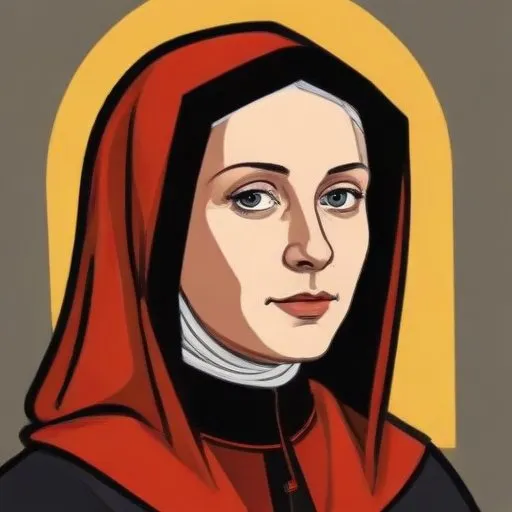
A 17th-century German abbess who ruled Quedlinburg Abbey, known for her strong leadership and patronage of the arts. She was a prominent figure in the Holy Roman Empire, fostering education and culture.
Dorothea Sophia, Abbess of Quedlinburg, is renowned for her unwavering dedication to the Church and her unrelenting efforts to safeguard the religious and political interests of her people. During the tumultuous period of the Thirty Years War, she fearlessly confronted the Holy Roman Emperor and the Elector of Saxony, demonstrating her unshakeable commitment to her faith and her duties as a leader.
Born on December 19, 1587, Dorothea Sophia was the fourth child and second daughter of Friedrich Wilhelm I, Duke of Saxe-Weimar, and his first wife, Sophie of Württemberg. Her noble upbringing and strong family ties would later influence her leadership and assertiveness as Abbess of Quedlinburg.
In 1618, Dorothea Sophia was elected successor to Princess-Abbess Dorothea, a testament to her growing reputation as a leader and spiritual guide. This election was approved by Matthias, Holy Roman Emperor, underscoring her status as a respected figure in the Church and the imperial court.
Dorothea Sophia's reign was marked by her willingness to challenge the authority of powerful figures, including John George I, Elector of Saxony. Her fearless stance on matters of faith and governance earned her respect and admiration from her contemporaries, who recognized her as a champion of the Church and its people.
As Abbess of Quedlinburg, Dorothea Sophia implemented measures to strengthen the Church's influence and promote its values. She prohibited clergy from denying absolution to those who made genuine confessions, and introduced harsher penalties for repeat offenders. Furthermore, she took steps to prevent secret engagements, decreeing that all engagements must be witnessed by three men and publicly announced.
These reforms, though reminiscent of Catholic practices, reflected her commitment to upholding the integrity of the Church and its traditions. Her leadership and vision have left a lasting impact on the spiritual landscape of Quedlinburg and beyond.
Dorothea Sophia's life was a testament to her unwavering dedication to her faith and her people. Her unrelenting efforts to defend the Church's interests, even in the face of overwhelming adversity, have made her an enduring symbol of spiritual leadership and courage.
In the midst of war and turmoil, she stood firm, a beacon of hope and resilience, inspiring generations to come. Her legacy continues to inspire and motivate, a powerful reminder of the transformative power of conviction and leadership.
Born in 1017
The 11th-century ruler who strengthened the Holy Roman Empire, reforming the Church and establishing a powerful dynasty. He's remembered for his wise and just reign, marked by peace and prosperity.
Born in 1086
Ruling the Holy Roman Empire from 1111 to 1125, he was a powerful monarch who clashed with the Catholic Church over investiture, sparking a major controversy. He's also known for his complex, often tumultuous relationships with nobles and bishops.
