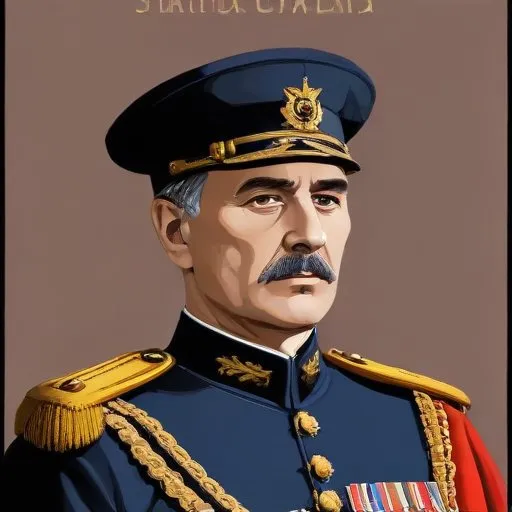
Draa Mihailovi: The Controversial Yugoslav General
A Guerrilla Leader in Wartime Yugoslavia
Draa Mihailovi, a Yugoslav Serb general, is best known for leading the Chetnik Detachments of the Yugoslav Army during World War II. His guerrilla force, established in 1941, fought against occupying German forces, but Mihailovi's strategies and ideologies ultimately led to conflict with
Josip Broz Tito's Partisans.
Early Life and Military Career
Born on April 27, 1893, in Ivanjica, Kingdom of Serbia, Mihailovi was orphaned at the age of seven and raised by his paternal uncle. He went on to fight in the Balkan Wars and World War I with distinction, earning a reputation as a skilled military leader.
The Chetnik Detachments: A Royalist and Nationalist Movement
After the fall of Yugoslavia in 1941, Mihailovi organized the Chetnik Detachments at Ravna Gora, aiming to protect the Serbian people and restore the Yugoslav monarchy. His movement was characterized by its royalist and nationalist ideology, which often led to clashes with Tito's communist Partisans.
Conflict and Controversy
The strained relationship between Mihailovi and Tito ultimately led to open conflict by late 1941. Many Chetnik groups collaborated with the Axis powers or established a modus vivendi, which, along with British frustration over Mihailovi's inaction, drove the Allies to shift their support to Tito in 1944.
Trial, Conviction, and Execution
After the war, Mihailovi went into hiding but was captured in March 1946. He was tried and convicted of high treason and war crimes by the communist authorities of the Federal People's Republic of Yugoslavia. In July 1946, he was executed by firing squad in Belgrade.
Legacy and Controversy
Mihailovi's responsibility for collaboration and ethnic massacres remains a topic of controversy. In May 2015, the Supreme Court of Cassation of Serbia overturned his verdict on appeal, citing his trial and conviction as politically and ideologically motivated.
Philosophical Contributions and Beliefs
Mihailovi's ideology was rooted in Serbian nationalism and royalism, which he believed was essential to the preservation of Yugoslavian identity. His movement's emphasis on protecting the Serbian people often led to clashes with other ethnic groups, contributing to the controversy surrounding his legacy.
Influence on Modern Society
Mihailovi's legacy continues to be felt in modern Serbian politics and society. His movement's nationalistic ideology has inspired various political and social groups, while his controversial actions during World War II serve as a reminder of the complexities of wartime alliances and rivalries.
Personal Milestones and Key Life Events
- 1893: Born in Ivanjica, Kingdom of Serbia on April 27
- 1901: Orphaned at the age of seven and raised by his paternal uncle
- 1912-1918: Fought in the Balkan Wars and World War I with distinction
- 1941: Organized the Chetnik Detachments at Ravna Gora
- 1946: Captured, tried, and executed by firing squad in Belgrade on July 17
Trivia and Fun Facts
- Mihailovi's nickname, "Draa," is a Serbian honorific meaning "grandfather" or "elder."
- He was known for his charisma and military prowess, earning him the respect of his followers and foes alike.
FAQ
What was Draža Mihailovićs role in World War II?
Draža Mihailović was a Serbian general who played a significant role in World War II, particularly in the Yugoslav resistance movement.
What was Draža Mihailovićs relationship like with the Allies?
Draža Mihailovićs relationship with the Allies was complex and often fraught, as he was seen as a key figure in the Yugoslav resistance movement but was also accused of collaborating with the Axis powers.
How did Draža Mihailovićs background influence his military career?
Draža Mihailovićs background as a Serbian military officer influenced his military career, which was marked by bravery and leadership.
What was Draža Mihailovićs legacy in Serbian history?
Draža Mihailovićs legacy in Serbian history is one of a controversial figure who played a significant role in World War II but was also accused of war crimes.
What was Draža Mihailovićs later life like?
Draža Mihailovićs later life was marked by trials and controversy, as he was accused of war crimes and eventually executed in 1946.