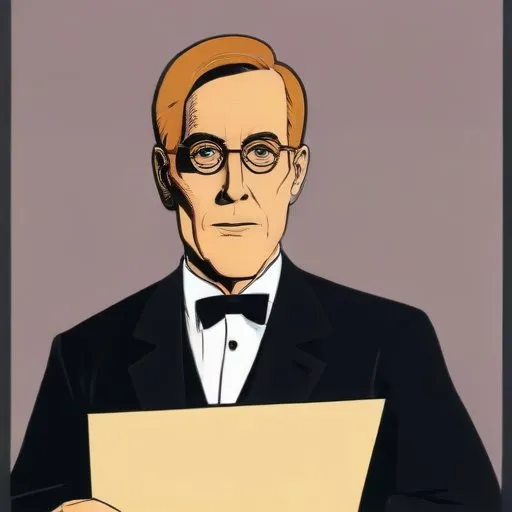
E. W. Scripps: The Visionary Behind a Media Empire
A Pioneer in Journalism
E. W. Scripps, a trailblazing American newspaper publisher, left an indelible mark on the world of journalism. Alongside his sister Ellen Browning Scripps, he co-founded The E. W. Scripps Company, a diversified media conglomerate, and United Press news service, which later merged with International News Service to become United Press International (UPI).
Scripps' remarkable career spanned over five decades, shaping the course of American journalism and leaving a lasting legacy that continues to inspire generations of journalists and media professionals.
Early Life and Influences
Born on June 18, 1854, in Rushville, Illinois, Scripps grew up in a family with strong journalistic roots. His father, James Mogg Scripps, was from London, and his mother, Julia Adeline Osborne, was from New York. Scripps' early life was marked by a strong entrepreneurial spirit, which he inherited from his parents.
A Prolific Consumer of Whisky and Cigars
Scripps was known for his unorthodox habits. According to his confidential assistant, Gilson Gardner, he consumed a staggering gallon of whisky daily, often paired with a lit cigar at all waking hours. This unique blend of creativity and excess fueled his relentless pursuit of innovation in journalism.
Newspaper Career and Media Empire
Scripps' journalistic journey began as an office boy at his half-brother James' newspaper, The Detroit News, in 1873. In 1878, he founded The Penny Press (later the Cleveland Press) in Cleveland, with financial support from his half-brothers. This marked the beginning of his media empire, which would eventually expand to include over 25 newspapers.
- In 1907, Scripps created United Press Associations, now United Press International (UPI), from smaller regional news services.
- He believed in editorial independence, stating, "A newspaper fairly and honestly conducted in the interests of the great masses of the public must at all times antagonize the selfish interests of that very class – the advertisers."
Philosophical Contributions and Beliefs
Scripps' commitment to editorial independence and his unwavering dedication to serving the public interest earned him widespread respect. He believed that a free press was essential to a healthy democracy and worked tirelessly to promote journalistic integrity.
Historical Context and Legacy
Scripps' pioneering efforts in journalism and media paved the way for future generations of journalists and media professionals. His legacy extends beyond the E. W. Scripps Company, with the E. W. Scripps School of Journalism at Ohio University bearing his name as a testament to his enduring impact.
Personal Relationships and Anecdotes
Scripps' close relationships with his half-brother James and half-sister Ellen Browning Scripps played a significant role in shaping his journalistic career. Ellen's financial support and encouragement enabled Scripps to pursue his entrepreneurial ambitions, ultimately leading to the creation of his media empire.
Influence on Modern Society
Scripps' innovative approach to journalism and media continues to influence modern society. His emphasis on editorial independence and commitment to serving the public interest have inspired countless journalists and media professionals. The E. W. Scripps Company, now a diversified media conglomerate, remains a testament to his vision and legacy.
E. W. Scripps' remarkable journey serves as a beacon of inspiration for anyone passionate about journalism, media, and the pursuit of excellence.
FAQ
What was E. W. Scripps role in the history of journalism?
E. W. Scripps was a pioneering American publisher who founded the E. W. Scripps Company, a leading media conglomerate, and played a significant role in shaping the development of American journalism.
How did Scripps build his media empire?
Scripps built his media empire through strategic acquisitions and innovative business practices, establishing a network of newspapers, radio stations, and television networks.
What was Scripps philosophy on journalism?
Scripps believed in the importance of objective, independent journalism, and his companys publications reflected his commitment to fairness, accuracy, and investigative reporting.
How did Scripps company contribute to public service?
The E. W. Scripps Company has a long history of public service, providing coverage of important social and political issues, as well as supporting educational and community initiatives.
What is Scripps legacy in the media industry?
E. W. Scripps legacy in the media industry is one of innovation, entrepreneurship, and a commitment to excellence in journalism, inspiring generations of journalists and media professionals.