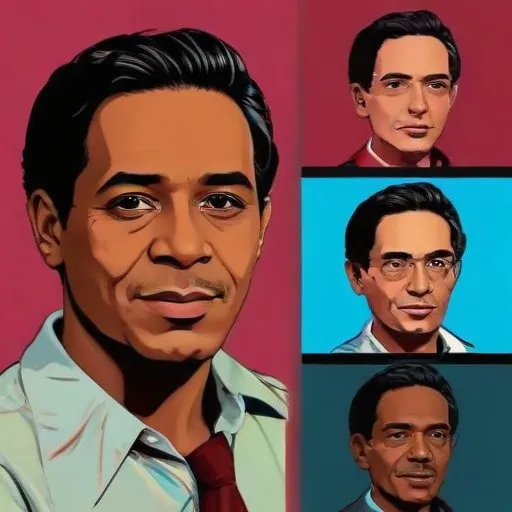
Earl Lovelace: The Voice of Trinidadian Culture
A Literary Icon and Chronicler of Island Life
Earl Lovelace is a celebrated Trinidadian novelist, journalist, playwright, and short story writer, renowned for his vivid portrayals of Trinidadian culture and society. Through his works, Lovelace masterfully captures the essence of his native land, exploring the complexities of social change, the clash of rural and urban cultures, and the rich tapestry of Trinidadian dialects and traditions.
Early Life and Inspiration
Born on July 13, 1935, in Toco, Trinidad and Tobago, Lovelace spent his early years in Tobago with his grandparents, before rejoining his family in Toco at the age of 11. His family later moved to Belmont, Port of Spain, Trinidad, and then Morvant. This nomadic upbringing would later influence his writing, as he drew upon the diverse experiences and characters he encountered during his childhood.
Literary Career and Achievements
Lovelace's literary journey began in the 1960s, with the publication of his debut novel,
While Gods Are Falling, which won the Trinidad and Tobago Independence literary competition sponsored by British Petroleum. This initial success paved the way for a prolific career, with the publication of five subsequent novels, including the critically acclaimed
Salt (1996), winner of the Commonwealth Writers' Prize, and
Is Just a Movie (2012), winner of the OCM Bocas Prize for Caribbean Literature.
Style and Themes
Lovelace's writing is characterized by its unique blend of Trinidadian dialects and standard English, which creates a rich, immersive narrative voice. His fiction often explores the complexities of social change, the tensions between rural and urban cultures, and the search for identity in a rapidly modernizing society. Through his works, Lovelace provides a nuanced, deeply personal portrayal of Trinidadian society, one that is both celebratory and critical.
Influence and Legacy
Lovelace's contributions to Trinidadian literature have been immense, inspiring a new generation of writers and artists. His son, Che Lovelace, is a renowned artist, and his own literary legacy continues to grow, with his works translated into numerous languages and studied in academic institutions around the world.
Awards and Honors
- Trinidad and Tobago Independence literary competition (winner, 1965)
- Commonwealth Writers' Prize (winner, 1996)
- OCM Bocas Prize for Caribbean Literature (winner, 2012)
Quotes and Memorable Sayings
"I think that the writer's task is to try to understand the world, to try to understand the human condition, and to try to express that understanding in a way that is both truthful and beautiful." - Earl Lovelace
FAQ
What is Earl Lovelaces most famous novel?
Earl Lovelaces most famous novel is The Dragon Cant Dance, which was published in 1979. The novel is a commentary on the struggles of Trinidadian identity and the search for cultural authenticity.
What themes does Earl Lovelace explore in his writing?
Earl Lovelaces writing often explores themes of identity, culture, and politics. He is particularly interested in the experiences of the Trinidadian people and the search for cultural authenticity.
What awards has Earl Lovelace won for his writing?
Earl Lovelace has won several awards for his writing, including the Commonwealth Writers Prize and the Trinidad and Tobago Publishers Prize.
What is Earl Lovelaces role in Trinidadian literature?
Earl Lovelace is a key figure in Trinidadian literature, known for his insightful and nuanced portrayals of Trinidadian culture and society. He has been recognized for his contributions to the development of Caribbean literature.
What is Earl Lovelaces literary style?
Earl Lovelaces literary style is characterized by its lyricism, its use of imagery, and its exploration of themes such as identity, culture, and politics. His writing is often described as poetic and evocative.