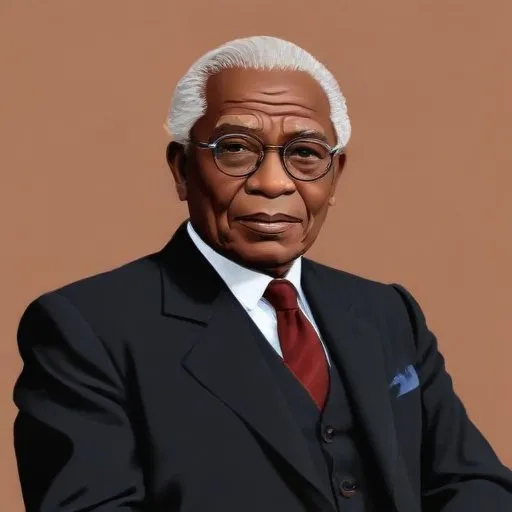
C. L. R. James: The Revolutionary Historian and Literary Icon
A Life of Activism and Intellectual Pursuit
C. L. R. James, a Trinidadian historian, journalist, and Marxist writer, left an indelible mark on the world of literature, politics, and sports. He is best known for his influential works on Marxism, postcolonial literature, and cricket, which have inspired generations of scholars, activists, and enthusiasts alike.
A Brief Biography
Born on January 4, 1901, in Tunapuna, Trinidad, James was the first child of Ida Elizabeth James and Robert Alexander James, a schoolteacher. He won a scholarship to Queens Royal College in Port of Spain, where he excelled as a club cricketer, athlete, and writer. After graduating in 1918, he worked as an English teacher at the same institution.
Major Works and Contributions
James's literary output was vast and varied, reflecting his diverse interests and passions.
- World Revolution (1937): This seminal work outlined the history of the Communist International, sparking debate in Trotskyist circles.
- The Black Jacobins (1938): James's groundbreaking study of the Haitian Revolution is considered a classic of Marxist historiography.
- Beyond a Boundary (1963): This iconic book on cricket is widely regarded as one of the greatest sports books ever written.
- Minty Alley (1936): James's first novel, which was also the first novel by a black West Indian to be published in Britain.
Philosophical Contributions and Beliefs
James was an ardent Marxist and anti-Stalinist, whose work was characterized by a commitment to dialectical thinking and a passion for social justice. He was deeply influenced by the ideas of
Leon Trotsky and
Vladimir Lenin, and his writing reflects a profound understanding of the complexities of revolutionary politics.
Influence on Modern Society
James's work has had a profound impact on various fields, including:
- Postcolonial Literature: James's writing on the Haitian Revolution and the experiences of black people in the Caribbean helped shape the field of postcolonial studies.
- Cricket and Sports: Beyond a Boundary is a beloved classic, and James's writing on cricket has inspired generations of sports enthusiasts.
- Marxist Theory: James's work on Marxism and revolution has influenced scholars and activists around the world.
Personal Milestones and Key Life Events
- Toussaint Louverture (1934): James's play, which featured black professional actors for the first time in a UK production, was a groundbreaking moment in British theatre.
- Sportsman and Athlete: James was an accomplished athlete, holding the Trinidad high-jump record from 1918 to 1922.
Legacy and Impact
C. L. R. James's work continues to inspire and challenge scholars, activists, and readers today. His legacy is a testament to the power of intellectual curiosity, political commitment, and literary excellence.
Quotations and Memorable Sayings
- "The cricket crowd is not a crowd, it is a multitude, a people."
- "The struggle for capitalism is no longer a struggle for the means of production, but a struggle for the means of consumption."
Comparative Analysis with Contemporaries
James's work can be compared to that of other influential Marxist thinkers, such as Leon Trotsky and
Jean-Paul Sartre, as well as postcolonial writers like
Frantz Fanon and
Aimé Césaire. However, James's unique blend of historical analysis, literary flair, and sports enthusiasm sets him apart as a pioneering figure in multiple fields.
Visual Timeline and Milestones
- 1901: Born in Tunapuna, Trinidad
- 1918: Graduated from Queens Royal College
- 1934: Wrote and produced Toussaint Louverture
- 1937: Published World Revolution
- 1938: Published The Black Jacobins
- 1963: Published Beyond a Boundary
- 1989: Passed away on May 31
Conclusion
C. L. R. James's extraordinary life and work continue to inspire and educate us today. His commitment to revolutionary politics, literary excellence, and intellectual curiosity has left an indelible mark on multiple fields, ensuring his legacy as a towering figure in modern intellectual history.
FAQ
What was C.L.R. Jamess role in the Trinidadian independence movement?
C.L.R. James was a Trinidadian journalist and theorist who played a key role in the Trinidadian independence movement. He was a leader of the West Indian Federal Labour Party and advocated for independence from British colonial rule.
What was C.L.R. Jamess most famous work?
C.L.R. Jamess most famous work is The Black Jacobins, a book that tells the story of the Haitian Revolution and its leader Toussaint Louverture. The book is considered a classic of Marxist historiography and has had a significant impact on our understanding of the Haitian Revolution.
What was C.L.R. Jamess relationship with Trotskyism?
C.L.R. James was a prominent figure in the Trotskyist movement and was a close associate of Leon Trotsky. He was a leader of the Workers Party of the United States and later founded the Johnson-Forest Tendency, a Trotskyist group.
What was C.L.R. Jamess views on cricket and West Indian identity?
C.L.R. James was a passionate advocate for cricket as a symbol of West Indian identity and culture. He argued that cricket was a key aspect of West Indian heritage and that it could be a powerful tool for promoting unity and self-expression in the region.
What is C.L.R. Jamess legacy in the Caribbean?
C.L.R. Jamess legacy in the Caribbean is that of a visionary thinker and leader who fought tirelessly for independence, social justice, and cultural autonomy. His work continues to inspire new generations of Caribbean intellectuals and activists.