


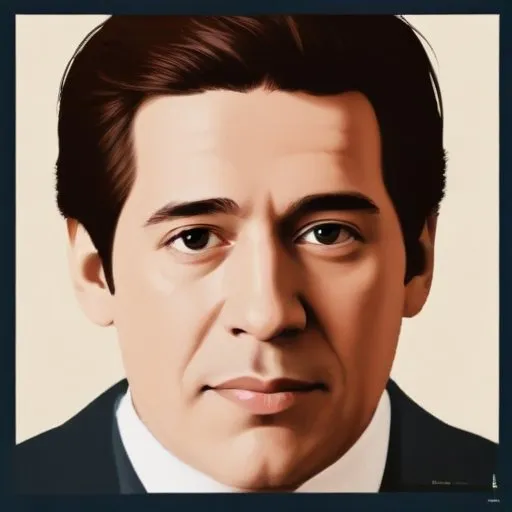
A renowned jazz pianist and composer, known for his smooth, elegant style and hit songs like "Begin the Beguine" and "Canadian Sunset".
Eddie Heywood, an American jazz pianist and composer, is best known for his iconic 1944 hit "Begin the Beguine," which sold over a million copies and earned a gold disc from the RIAA. This chart-topping success catapulted him to fame, cementing his place in the jazz hall of fame alongside legends like Benny Carter and Coleman Hawkins.
Born on December 4, 1915, in Atlanta, Georgia, Heywood was fortunate to have a father, Eddie Heywood Sr., who was a jazz musician himself. Starting from the age of 12, Heywood Sr. provided his son with extensive training, which included accompanying singers like Bessie Smith and Ethel Waters in vaudeville theaters.
Heywood's jazz journey took him to New Orleans and Kansas City, before eventually settling in New York City in 1938. It was during this time that he played with renowned musicians like Wayman Carver, Clarence Love, and Benny Carter. In 1941, he occasionally accompanied the legendary Billie Holiday.
In 1943, Heywood formed his own sextet, featuring Doc Cheatham on trumpet, Vic Dickenson on trombone, Lem Davis on alto sax, Al Lucas on bass, and Jack Parker on drums. The group's unique sound and energy led to the massive success of "Begin the Beguine," which topped the charts in 1944.
In 1947, Heywood faced a major setback when he was stricken with partial paralysis of his hands, forcing him to take a hiatus from music. However, he made a remarkable comeback in 1951 and continued to compose and record music, including the hit single "Canadian Sunset" in 1956, which peaked at number 2 on the Billboard chart.
Despite facing another bout of partial paralysis from 1966 to 1969, Heywood persevered and continued to perform and record music until the 1980s. He passed away on January 3, 1989, at the age of 73, leaving behind a legacy as one of the most influential jazz pianists of his era.
Heywood's contributions to jazz have been recognized with numerous awards and accolades, including a gold disc from the RIAA and a place in the jazz hall of fame.
Eddie Heywood's music has been featured in various films, television shows, and commercials, introducing his unique style to new generations of music lovers. His legacy continues to inspire jazz musicians and enthusiasts alike, ensuring his place as one of the most iconic figures in American jazz history.
Born in 1910
A virtuosic clarinetist and innovative bandleader, he revolutionized the swing era with his unique sound and iconic hits like "Begin the Beguine" and "Stardust".
Born in 1909
A virtuosic clarinetist and bandleader, known as the "King of Swing," who revolutionized jazz music with his energetic and sophisticated style, leading a racially integrated orchestra in the 1930s.
Born in 1891
A legendary composer and songwriter behind timeless Broadway shows and Hollywood musicals, crafting witty, sophisticated, and romantic songs that have become jazz standards.
Born in 1898
A renowned pianist and composer who blended jazz and classical music to create iconic works like "Rhapsody in Blue" and "An American in Paris", leaving a lasting impact on American music.
Born in 1899
A legendary jazz pianist, composer, and bandleader who revolutionized the genre with his unique style and iconic compositions, such as "Take the A Train" and "Mood Indigo".
Born in 1904
A legendary jazz pianist and bandleader who led a iconic orchestra, blending swing and blues to create a unique sound that influenced generations of musicians. Known for his distinctive "less-is-more" style and hits like "April in Paris" and "One O'Clock Jump".
Born in 1904
A virtuosic pianist and singer-songwriter who blended jazz, blues, and stride piano to create infectious, energetic tunes that still delight audiences today. Known for his soulful, raspy vocals and iconic hits like "Ain't Misbehavin'" and "Honeysuckle Rose".
Born in 1925
A virtuosic jazz pianist and masterful composer, renowned for his dazzling technique, elegant style, and iconic trio performances.
