


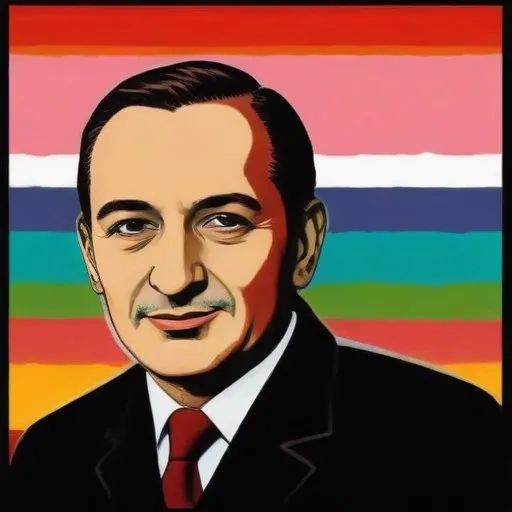
A renowned cantor and composer, he was a leading figure in 19th-century Jewish liturgical music, creating beautiful and enduring works that continue to inspire and uplift.
Eduard Birnbaum was a Polish-born German hazzan (cantor) and one of the first explorers of Jewish music, leaving an indelible mark on the world of liturgical music. He is renowned for his exhaustive collection of Jewish ritual melodies and recitatives, as well as his critical treatise on Baal Tfillah, a comprehensive work that showcased his dedication to preserving Jewish musical heritage.
Born on March 12, 1855, in Krakow, Poland, Birnbaum's passion for music was evident from an early age. He spent three years studying synagogal music in Vienna under the guidance of Salomon Sulzer, a prominent cantor and composer. This foundation in music and liturgy laid the groundwork for his future endeavors.
Birnbaum's most significant contribution to Jewish musicology is his extensive collection of printed and manuscript materials, including music, literature, and source materials. This treasure trove of Jewish musical heritage is now housed at the Hebrew Union College-Jewish Institute of Religion in Cincinnati, Ohio, and features a thematic catalogue of synagogal melodies on approximately 7,000 cards, as well as references to music in rabbinical texts.
Birnbaum's pioneering work in Jewish music and liturgy has had a profound impact on the development of Jewish musical culture. His contributions have inspired generations of cantors, composers, and musicologists, ensuring the preservation and continuity of Jewish musical traditions. As a testament to his legacy, Birnbaum's work remains a vital part of Jewish religious and cultural heritage.
Birnbaum's life was marked by significant milestones, including his appointments as deputy cantor in Magdeburg (1872) and chief cantor in Beuthen (1874), followed by his tenure as the main cantor in Königsberg (1879-1920). He passed away on August 8, 1920, leaving behind a rich cultural legacy that continues to inspire and enrich Jewish communities worldwide.
Born in 1587
A renowned Baroque-era musician and teacher, known for his influential compositions and contributions to the development of the organ concerto.
Born in 1585
A renowned Baroque composer and organist, known for his contributions to the development of the oratorio and passion genres, creating over 500 works that showcased his mastery of choral music.
Born in 1809
A renowned 19th-century musician who masterfully blended classical and romantic styles, creating iconic works like the "Wedding March" and "Elijah" oratorio. His compositions continue to inspire and influence generations of artists.
Born in 1813
A renowned composer of iconic operas like La Traviata and Aida, known for his masterful blending of drama and music. His works continue to captivate audiences worldwide.
Born in 1813
A revolutionary composer who transformed opera with his epic, mythological works, creating a new era of musical storytelling. His iconic operas, such as "Der Ring des Nibelungen," continue to captivate audiences worldwide.
Born in 1833
A renowned pianist and composer, he crafted complex, expressive works that blended traditional and innovative techniques, leaving an indelible mark on classical music.
Born in 1811
A virtuosic pianist and composer who revolutionized classical music with his technically demanding and emotionally expressive works, blending Hungarian folk influences with Romantic-era drama.
