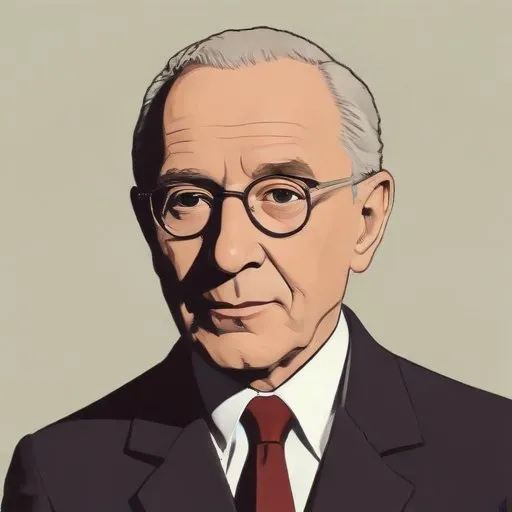
Edward Blishen: The Renowned Author and Broadcaster
A Legacy in Children's Literature and Autobiographical Works
Edward Blishen is best known for his collaborative efforts with
Leon Garfield on the acclaimed children's novel,
The God Beneath the Sea, which earned the prestigious Carnegie Medal in 1970. This iconic work, illustrated by
Charles Keeping, marked a significant milestone in Blishen's career, cementing his reputation as a creative force in children's literature.
Early Life and Education
Born on April 29, 1920, in Barnet, Hertfordshire, England, Blishen attended Queen Elizabeth's Grammar School, Barnet. Although he failed his exams at the age of 17, he went on to work on a local newspaper, thereby embarking on a journey that would shape his future as a writer and broadcaster.
A Conscientious Objector's Story
During World War II, Blishen registered as a conscientious objector, a decision that was met with disapproval from his father, a veteran of the First World War. This experience had a profound impact on Blishen, inspiring his 1972 autobiographical book,
A Cack-Handed War, which recounts his experiences as a conscientious objector during the war.
Autobiographical Works: A Window into Teaching and War
Blishen's autobiographical series offers a unique glimpse into his life, including
Roaring Boys (1955), which chronicles his experiences as a teacher in a London secondary modern school in the 1950s. The sequel,
This Right Soft Lot, was published in 1969. His final autobiographical work,
Mind How You Go, was completed in 1996, just before his passing, and published posthumously in 1997.
Philosophical Contributions and Beliefs
Through his writing, Blishen conveyed his pacifist beliefs and his commitment to promoting peace and non-violence. His experiences as a conscientious objector and his reflections on war and its impact on humanity are woven throughout his autobiographical works.
Career Highlights and Major Works
- The God Beneath the Sea (1970) - Blishen's collaborative children's novel with Leon Garfield, illustrated by Charles Keeping, which won the Carnegie Medal
- A Cack-Handed War (1972) - Autobiographical account of his experiences as a conscientious objector during World War II
- Roaring Boys (1955) - Autobiographical account of teaching in a London secondary modern school in the 1950s
- This Right Soft Lot (1969) - Sequel to Roaring Boys, continuing his autobiographical sequence
- Mind How You Go (1997) - Final autobiographical work, published posthumously
Legacy and Impact
Edward Blishen's contributions to children's literature and his autobiographical works have left an indelible mark on the literary world. His commitment to promoting peace and non-violence continues to inspire readers of all ages.
FAQ
What was Edward Blishens most famous novel?
Edward Blishens most famous novel is This Right-Soft Morning, a semi-autobiographical work that explores themes of childhood and identity.
What was Edward Blishens experience in radio broadcasting?
Edward Blishen had a long and successful career in radio broadcasting, working as a producer and presenter for the BBC and creating programs for children and adults alike.
What were some of Edward Blishens notable literary awards?
Edward Blishen won numerous literary awards, including the Carnegie Medal and the Guardian Fiction Prize, for his contributions to childrens literature.
How did Edward Blishens own childhood influence his writing?
Edward Blishens own childhood had a significant impact on his writing, with many of his works drawing on his experiences growing up in a working-class family in London.
What was Edward Blishens legacy in childrens literature?
Edward Blishens legacy in childrens literature is that of a pioneering author and broadcaster who helped to shape the genre and inspire future generations of writers.