


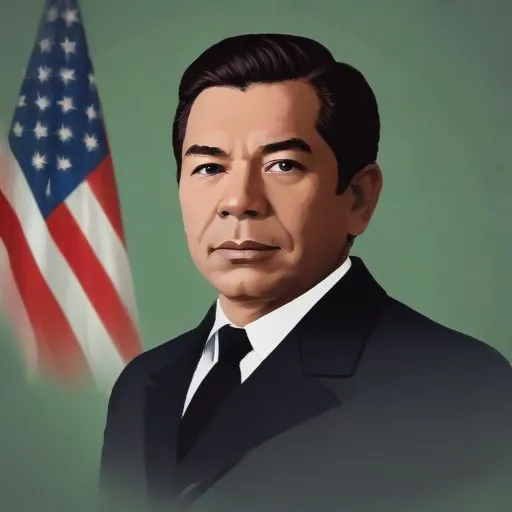
First African American to be popularly elected to the US Senate, serving two terms and advocating for civil rights and social justice.
Edward Brooke, a pioneering African American politician, etched his name in history as the first African American to be elected to the United States Senate by popular vote in 1966. During his two terms in the Senate, Brooke championed civil rights, fought against housing discrimination, and fearlessly criticized the establishment.
Born on October 26, 1919, in Washington, D.C., Brooke grew up in a middle-class black family. After attending Howard University, he went on to graduate from Boston University School of Law in 1948, following his service in the U.S. Army during World War II.
Brooke's foray into politics began in 1950, when he ran for a seat in the Massachusetts House of Representatives. His subsequent stint as chairman of the Boston Finance Commission laid the groundwork for his election as attorney general in 1962, making him the first African American to hold the post in any state.
In 1966, Brooke made history by becoming the first African American to be elected to the U.S. Senate by popular vote. During his two terms, he co-authored the Civil Rights Act of 1968, which prohibited housing discrimination. As a liberal Republican, Brooke consistently challenged the establishment, earning the respect of his peers and the admiration of his constituents.
Brooke's unyielding commitment to justice and equality led him to become a vocal critic of President Richard Nixon. He was the first Senate Republican to call for Nixon's resignation in light of the Watergate scandal, demonstrating his unwavering dedication to upholding the principles of democracy.
Edward Brooke's trailblazing legacy extends far beyond his remarkable electoral achievements. His unwavering commitment to civil rights, his unrelenting critique of authority, and his unshakeable resolve in the face of adversity continue to inspire generations of politicians, activists, and citizens alike.
"We must wage a relentless war against poverty, against ignorance, against disease, and against injustice. We must wage a war that will give every citizen of this great Nation the opportunity to develop his or her talents, to the fullest."
Edward Brooke's remarkable life and legacy serve as a beacon of hope, inspiring us to continue the fight for justice, equality, and human dignity.
94 Years Old
A prominent figure in American politics, serving nearly 47 years in the Senate, championing liberal causes, and playing a significant role in shaping the country's healthcare and civil rights policies.
Born in 1917
The 35th President of the United States was a charismatic leader who navigated the country through the Cuban Missile Crisis and advocated for civil rights, leaving a lasting legacy in American politics.
Born in 1925
A Navy officer, lawyer, and politician who served as US Attorney General, playing a key role in the Civil Rights Movement and advocating for social justice. He was a prominent figure in American politics during the 1960s.
Born in 1908
The 36th President of the United States, a skilled politician and leader, played a crucial role in passing landmark civil rights legislation, including the Civil Rights Act and Voting Rights Act.
Born in 1911
The 38th Vice President of the United States was a prominent liberal politician and journalist who played a key role in shaping the country's civil rights policies. He's most known for his strong support of the Civil Rights Act of 1964.
Born in 1922
A decorated WWII bomber pilot, historian, and senator who championed progressive causes, including anti-poverty and anti-war efforts. He was the 1972 Democratic presidential nominee.
Born in 1924
A naval officer turned politician who served as the 39th President of the United States, known for his commitment to human rights and social justice, and awarded the Nobel Peace Prize in 2002.
98 Years Old
The 42nd Vice President of the United States was a prominent politician who served under Jimmy Carter and was known for his strong liberal stance and advocacy for social justice. He was also the Democratic nominee for president in 1984.
