


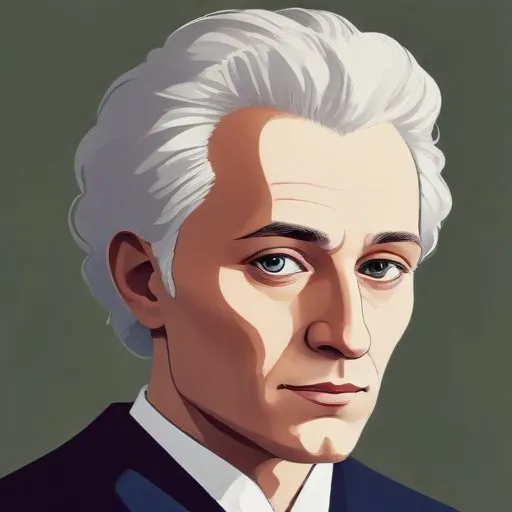
A Ukrainian-Polish poet and composer who wrote patriotic and romantic works, contributing to the cultural heritage of both nations. Known for his lyrical poetry and musical compositions that reflected his Ukrainian and Polish roots.
Edward Dbicki, a Polish Romani poet, musician, and composer, is renowned for his profound connection to the Romani community and its rich cultural heritage. Through his work, Dbicki has not only preserved but also promoted the Romani traditions, itinerant spirit, and music, leaving an indelible mark on the world.
Born on March 4, 1935, in Kausz, present-day Ukraine, Dbicki was immersed in the Romani way of life from a young age. His parents, Wadyslaw Krzyanowski and Franciszka Raczkowska, were both talented musicians, and their caravan became Dbicki's classroom. Traveling along the Poland-Ukraine border, he absorbed the sounds, stories, and customs of his people, laying the foundation for his future creative endeavors.
In 1953, Dbicki attended music schools in Gorzw Wielkopolski and Zielona Gra, honing his skills as a musician. Two years later, he founded the music group Kcham Sun, which eventually evolved into Terno. As the director of Terno Mody, Dbicki has been instrumental in promoting Romani music and culture.
Dbicki's literary contributions are equally impressive. His poetry collection, Under the Naked Sky (Te nango bolipen Romani or Pod goym niebem in Polish), published in 1993, showcases his mastery of the Romani language and his ability to capture the essence of his community. His novel, Bird of the Dead (Ptak umarych), released in 2004, is a powerful portrayal of a Romani family's experiences during World War II.
Dbicki's achievements have not gone unnoticed. He has participated in several accordion competitions, including those in Kielce and Wrocaw, and has been recognized for his contributions to Romani culture.
Through his life's work, Edward Dbicki has not only preserved the Romani cultural heritage but has also made it accessible to a broader audience. His music and literature have inspired generations, fostering a deeper understanding and appreciation for the Romani community. As a true ambassador of his people, Dbicki continues to inspire and educate, ensuring the rich traditions of the Romani community remain vibrant and alive.
Born in 1814
Ukraine's national poet and playwright, celebrated for his powerful writings that inspired a national awakening and struggle for independence, with works still widely read and performed today.
Born in 1856
A Ukrainian literary icon, celebrated for his poetry and novels that explored themes of social justice, Ukrainian identity, and folk culture. His works are considered a cornerstone of Ukrainian literature.
Born in 1842
A Ukrainian musical mastermind who composed and conducted works that showcased his country's rich cultural heritage, and was a pioneer in promoting Ukrainian music and arts.
Born in 1891
A Russian literary mastermind, famous for blending fantasy and realism in works like "The Master and Margarita", which explores the intersection of politics, philosophy, and the human condition.
Born in 1880
A Russian literary giant, known for pioneering the avant-garde movement in literature, blending poetry and prose to create innovative, symbolic works that explored the human experience.
Born in 1893
A Russian avant-garde artist who revolutionized poetry and theater with his bold, futuristic style and passionate performances. He's most famous for his vibrant, propaganda-inspired posters and poems that captured the spirit of the Russian Revolution.
Born in 1890
A Russian literary giant, renowned for his poetic and novelistic masterpieces, including the epic "Doctor Zhivago", which captured the essence of Soviet Russia. His works are a testament to the power of literature in shaping cultural identity.
