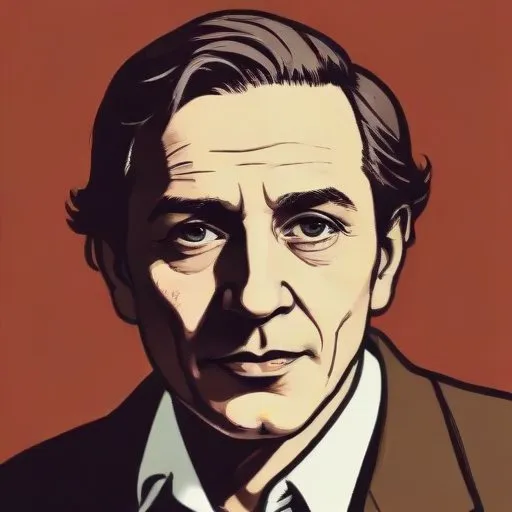
Edwin Arlington Robinson: A Pioneering Poet and Playwright of the American Literary Scene
Award-Winning Literary Contributions
Edwin Arlington Robinson, a renowned American poet and playwright, is celebrated for his distinctive style, which has earned him three Pulitzer Prizes for Poetry and four nominations for the Nobel Prize in Literature. His works are characterized by a unique blend of realism, symbolism, and dark undertones, which have captivated readers and critics alike.
Early Life and Upbringing
Born on December 22, 1869, in Head Tide, Maine, Robinson's life was marked by an unconventional beginning. His parents, Edward and Mary, had initially anticipated a girl, and it wasn't until six months later, during a family vacation, that they decided on the name Edwin, drawn randomly from a hat containing boys' names. The middle name, Arlington, was chosen in honor of the Massachusetts town where the name was drawn.
Familial Dynamics and Early Inspirations
Robinson's family moved to Gardiner, Maine, in 1870, where he spent an unhappy and stark childhood. His elder brother, Dean, struggled with addiction, while his middle brother, Herman, unwittingly stole the heart of Emma Lehen Shepherd, the woman Robinson loved. These formative experiences would later influence his writing, imbuing his poetry with a sense of despair and disillusionment.
Poetic Style and Themes
Robinson's poetry is marked by its dark pessimism, often critiquing the American Dream and the social norms of his time. His works frequently explore themes of love, loss, and the human condition, as seen in his celebrated poem, "Richard Cory." This unique style has been praised for its accessibility, depth, and profound insight into the human experience.
Major Works and Career Highlights
- The Man Against the Sky (1916) - a collection of poems that showcases Robinson's mastery of symbolism and realism
- The Three Taverns (1920) - a book of poems that explores the human condition and the search for meaning
- Avon's Harvest (1921) - a collection of poems that delves into themes of love, loss, and redemption
Influence on Modern Society and Literature
Robinson's works have had a profound impact on American literature, influencing generations of poets and writers. His unique style and thematic explorations have inspired notable authors such as
Robert Frost and E.E. Cummings. His contributions to the literary canon have solidified his place as one of the most important American poets of the early 20th century.
Personal Milestones and Key Life Events
- 1890: Witnessed his brother Herman's marriage to Emma Lehen Shepherd, the woman he loved
- 1920s: Robinson's fame grew, with numerous awards and recognition for his poetry
- 1935: Passed away on April 6, at the age of 65, leaving behind a legacy of literary excellence
Philosophical Contributions and Beliefs
Robinson's poetry often grappled with existential questions, probing the human condition and the search for meaning in an uncertain world. His works reflect a deep concern for the fragility of human existence and the futility of seeking answers in a chaotic world.
Legacy and Historical Context
Edwin Arlington Robinson's contributions to American literature have secured his place in the literary canon. His poetry continues to captivate readers, offering insights into the human experience and the search for meaning. As a pioneering figure in American poetry, Robinson's legacy serves as a testament to the power of literature to inspire, provoke, and transform.
FAQ
What was Edwin Arlington Robinsons literary style?
Edwin Arlington Robinson was an American poet known for his unique literary style, which blended elements of Romanticism and Modernism. He is particularly famous for his use of symbolism and imagery.
What were Edwin Arlington Robinsons most famous poems?
Robinsons most famous poems include Richard Cory, Miniver Cheevy, and The Mill. These poems are known for their exploration of themes such as identity, morality, and social class.
Did Edwin Arlington Robinson win any literary awards?
Yes, Robinson won the Pulitzer Prize for Poetry three times, in 1922, 1925, and 1928. He was also awarded the National Institute of Arts and Letters Gold Medal in 1941.
What was Edwin Arlington Robinsons early life like?
Robinson was born in 1869 in Maine and grew up in a family of modest means. He was educated at Harvard University, where he developed his skills as a poet.
What is Edwin Arlington Robinsons legacy in American literature?
Robinsons legacy in American literature is that of a master poet who explored the human condition in his work. He is remembered as one of the most important American poets of the early 20th century.