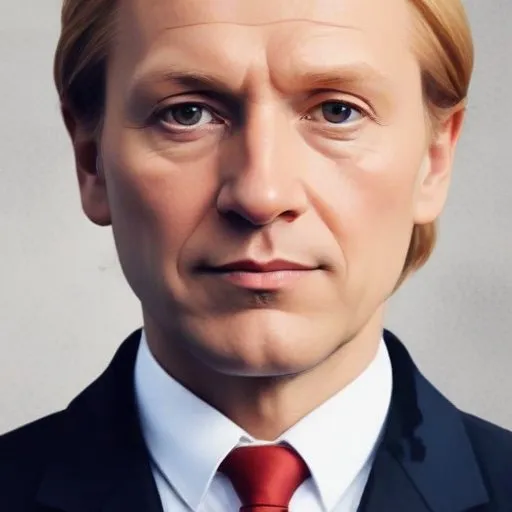
Eino Leino: The National Poet of Finland
A Master of Finnish Poetry
Eino Leino, a renowned Finnish poet and journalist, is celebrated as one of the pioneers of Finnish poetry, leaving an indelible mark on the country's literary landscape. His unique blend of modern and Finnish folk elements has made him a beloved national poet, widely read and cherished in Finland.
Early Life and Inspirations
Eino Leino was born Armas Einar Leopold Lönbohm on July 6, 1878, in Paltamo, Finland, as the seventh and youngest son in a family of ten children. His family lived in the Hvel house in Paltaniemi village, where he drew inspiration from the surrounding nature and local folk traditions. Leino's father, Anders Lönbohm, had changed his name from Antti Mustonen to improve his chances of marrying his future upper-class wife, Anna Emilia Kyrenius.
Early Writing Career and Literary Debuts
Leino published his first poem at the tender age of 12 and a collection of poems,
Maaliskuun lauluja, at 18. This early start laid the foundation for his future success, and he soon became a prominent figure in Finnish literary circles. Leino's parents passed away while he was still in school, but he persevered, continuing his education in Kajaani, Oulu, and Hmeenlinna, where he boarded with relatives.
Finding His Voice and Critical Acclaim
After graduating from the Hmeenlinna secondary school, Leino started studying at the University of Helsinki, where he honed his writing skills and developed his unique voice. He joined literary and newspaper circles, becoming a member of the Young Finnish circle, and befriended notable figures like the artist
Pekka Halonen and Otto Manninen, a poet and translator. Leino's early work was met with critical acclaim, and he quickly established himself as a rising star in the Finnish literary scene.
Themes and Style
Leino's poetry is characterized by its exploration of nature, love, and despair, drawing heavily from Finnish folk traditions and the Kalevala. His work often romanticizes the beauty of Finnish landscapes and cultures, conveying a deep sense of national pride and identity.
Legacy and Impact
Eino Leino's contributions to Finnish literature have been immense, earning him the title of national poet. His birthday, July 6, is celebrated as Eino Leino Day, also known as the Day of Finnish Poetry and Summer. This established flag day honors Leino's significant impact on Finnish culture and literature.
Awards and Honors
Throughout his career, Leino received numerous accolades for his work, including the prestigious State Literary Award in 1913 and 1919.
Personal Milestones and Relationships
Leino's close relationship with his brother, Kasimir Leino, a poet, critic, and theatre director, played a significant role in his early writing career. The brothers founded a literature journal together in 1898, fostering a sense of literary camaraderie and shared passion for Finnish culture.
Trivia and Fun Facts
- Leino's first poem was published when he was just 12 years old.
- He was known for his romantic relationships with several women, including actresses and writers.
- Leino's health issues, including tuberculosis and heart problems, eventually led to his premature death at the age of 47.
Conclusion
Eino Leino's life and work continue to captivate Finnish readers, inspiring generations of writers and poets. His legacy serves as a testament to the power of literature, fostering a deeper understanding and appreciation of Finnish culture and identity. As a celebrated national poet, Leino's poetry remains an integral part of Finland's literary heritage, ensuring his place in the annals of Finnish history.