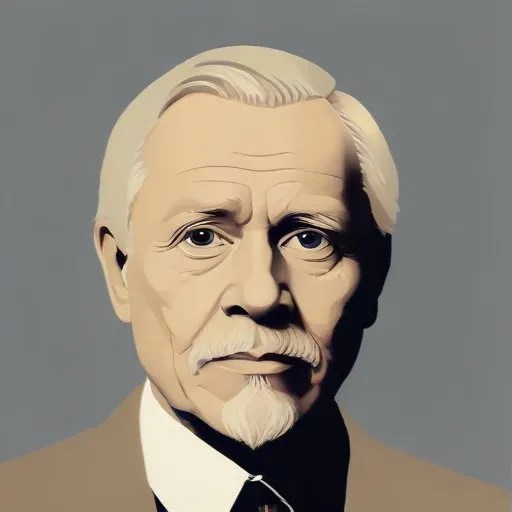
Aleksis Kivi: The Father of Finnish Literature
A Pioneer in Finnish Literature
Aleksis Kivi is revered as the national writer of Finland, and his contribution to Finnish literature is nothing short of phenomenal. He wrote the first significant novel in the Finnish language,
Seitsemän veljestä (Seven Brothers), published in 1870, which cemented his position as a literary giant.
Early Life and Education
Born Alexis Stenvall on October 10, 1834, in Palojoki village, Nurmijärvi, Grand Duchy of Finland, Kivi was the youngest of five siblings. His parents, Erik Johan Stenvall and Anna Kristiina Hamberg, instilled in him a love for literature and the arts. In 1846, Kivi left for school in Helsinki, where he developed a passion for the Finnish language and literature. He later studied literature at the University of Helsinki, where he was influenced by the works of Molère and Schiller.
Literary Career
Kivi's writing career spanned over a decade, during which he wrote 12 plays and a collection of poetry. His play,
Nummisuutarit (Heath Cobblers), published in 1864, was a critical success. However, it was his novel,
Seitsemän veljestä, that brought him widespread recognition. The novel, which took him ten years to complete, tells the story of seven brothers and their struggles in rural Finland.
Impact on Finnish Literature
Kivi's work had a profound impact on Finnish literature. He was one of the earliest writers of prose and lyrics in Finnish, and his work paved the way for future generations of Finnish writers. His writing style, which was influenced by Romanticism, introduced a new era of literary expression in Finland.
Awards and Honors
In recognition of his contributions to Finnish literature, Kivi's birthday, October 10, is celebrated as Finnish Literature Day. His legacy continues to inspire Finnish writers and literary enthusiasts alike.
Philosophical Contributions and Beliefs
Kivi's writing was deeply rooted in his love for the Finnish language and culture. He believed in the power of literature to inspire and educate the masses. Through his work, he sought to promote the Finnish language and culture, which were struggling to find their place in the dominant Swedish-speaking society.
Trivia and Fun Facts
- Kivi's novel, Seitsemän veljestä, was initially met with criticism from literary critics, who deemed it too "rude" for the time.
- He was a close friend and admirer of Johan Vilhelm Snellman, a renowned journalist and statesman.
- Kivi drew inspiration from the Kalevala, Finland's national epic, and wrote a play based on the tragic tale of Kullervo.
Legacy
Aleksis Kivi's legacy extends far beyond his literary works. He is celebrated as the father of Finnish literature, and his contributions have inspired generations of Finnish writers. His birthday is celebrated as a national holiday, and his work continues to be studied and admired by literature enthusiasts around the world.
FAQ
What was Aleksis Kivis contribution to Finnish literature?
Aleksis Kivi was a pioneering Finnish author and playwright, credited with creating the first significant Finnish-language novel, Seven Brothers.
How did Aleksis Kivis work reflect Finnish identity and culture?
Kivis work deeply reflected Finnish identity and culture, drawing on folklore and mythology to create a unique and distinctly Finnish literary style.
What were Aleksis Kivis views on Finnish nationalism?
Kivi was a strong advocate for Finnish nationalism, believing in the importance of promoting Finnish language and culture in the face of Swedish and Russian dominance.
How did Aleksis Kivis personal life impact his writing?
Kivis personal life was marked by poverty and struggle, which deeply influenced his writing and shaped his perspective on Finnish society and culture.
What was Aleksis Kivis legacy in Finnish literature?
Kivis legacy in Finnish literature is immense, with his work remaining a beloved and influential part of Finnish cultural heritage.