


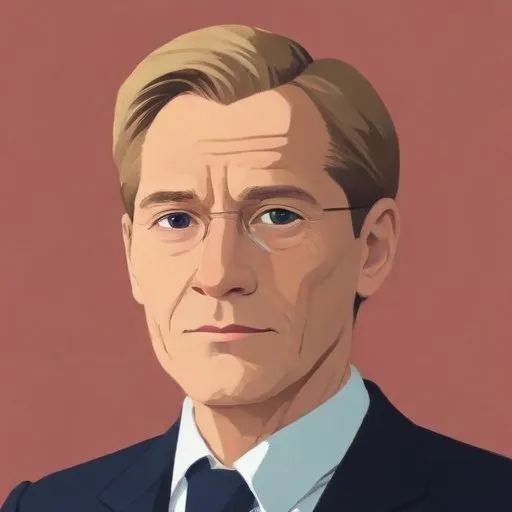
Finnish literary pioneer and social commentator, known for his influential novels and essays that explored the country's cultural identity and social issues.
Juhani Aho, originally Johannes Brofeldt, was a Finnish author and journalist who made a lasting impact on Finnish literature and society. He is best known for his influential works, including his debut novel "Rautatie" (Railroad), and his nominations for the Nobel Prize in Literature a remarkable 12 times.
Aho was born on September 11, 1861, at Lapinlahti, Finland, to Henrik Gustaf Theodor Brofeldt and Karolina Fredrika Emelie Emma Brofeldt (née Snellman). His family had a strong priestly background, with his father being a well-known revivalist preacher and his grandfather a vicar.
Aho attended the Kuopion Lyseo, one of the few upper secondary schools offering education in Finnish, from 1872 to 1880. During this time, he adopted the pen name Juhani Aho for many of his school works. Later, he studied at the University of Helsinki, where he was associated with political radicals.
Aho's literary output was wide-ranging, and he experimented with different styles throughout his career. He started as a realist, and his first novel "Rautatie" (1884) is considered one of his main works.
Later, he moved towards neoromanticism with novels like "Panu", "Kevt ja takatalvi", and "Juha". The latter is one of his most famous works and has been adapted into an opera twice and a film four times, including a 1999 adaptation by Aki Kaurismäki.
Aho's novel "Yksin" (Alone), published in 1890, was controversially bold for its time, being a roman à clef. Its tale of unrequited love is the autobiographical novel of Aho's passionate relationship with Elisabeth Järnefelt, a Finnish novelist and feminist.
Aho's contributions to Finnish literature and society were immense. He was a pioneer of Finnish realism, and his works played a significant role in shaping the country's literary landscape.
His literary pursuits were aided by Elisabeth Järnefelt and her circle, the Järnefelt school, who were pioneers of Finnish realism. Aho's works continue to inspire and influence Finnish writers and artists to this day.
Aho was nominated for the Nobel Prize in Literature 12 times, a testament to his significant contributions to Finnish literature.
In conclusion, Juhani Aho's legacy as a pioneering Finnish author and journalist continues to inspire and influence generations of writers and artists. His works remain a testament to his passion, creativity, and dedication to Finnish literature and society.
Born in 1844
A pioneering Finnish journalist, playwright, and activist who championed women's rights, social justice, and education, leaving a lasting impact on Finnish literature and society.
Born in 1878
A renowned Finnish poet and journalist, celebrated for his lyrical and expressive works that explored themes of love, nature, and Finnish identity. His poetry is still widely read and studied in Finland today.
Born in 1920
Finnish novelist celebrated for his vivid depictions of war and its human toll, particularly in his masterpiece "Under the North Star" trilogy. His works are considered a cultural touchstone in Finland, offering a poignant exploration of the country's history and identity.
Born in 1888
A Finnish novelist who explored the human condition through his lyrical and introspective works, often focusing on the struggles of rural life and the search for meaning.
