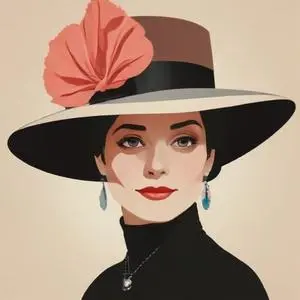
The Eternal Enchantress: Eleonora Duse
A Legend of the Stage
Eleonora Duse, a name synonymous with theatrical excellence, was an Italian actress revered as one of the greatest of her time. She mesmerized audiences worldwide with her captivating performances, immortalizing characters from the works of
Gabriele D'Annunzio and Henrik Ibsen.
Early Life and Discovery
Born in Vigevano, Lombardy, Austrian Empire (now Italy) on October 3, 1858, Duse was destined for the stage. Her father, Alessandro Vincenzo Duse, and grandfather, Luigi, were both actors from Chioggia, near Venice. She joined the family troupe at the tender age of four, performing in various Italian cities. Poverty forced her to work continually, but it was her passion that drove her to hone her craft.
Rise to Fame
Duse's breakthrough came with her Italian adaptations of roles made famous by
Sarah Bernhardt, including La Dame aux camélias. Her talent soon transcended borders, as she toured South America, Russia, and the United States in 1893. Initially unknown, she left a lasting impact on audiences, solidifying her reputation as a theatrical genius.
Artistic Collaborations and Associations
Duse's performances were often intertwined with the works of renowned playwrights. Her association with Gabriele D'Annunzio and
Henrik Ibsen not only elevated her career but also cemented her legacy. She breathed life into characters from their plays, making them her own.
A Life of Passion and Tragedy
In 1879, while in Naples, Duse met journalist Martino Cafiero, with whom she began a tumultuous love affair. However, their relationship ended abruptly when he left her while she was pregnant. The baby did not survive birth, leaving Duse heartbroken.
Legacy and Impact
Duse's unique power of conviction and verity on stage, which she described as "eliminating the self" and letting the character's qualities emerge from within, inspired generations of actors. Her influence extended beyond the theatre, as she contributed to the cultural landscape of her time.
Milestones and Honors
- 1909: Toured the United States, performing in major cities
- 1916: Performed in Russia, solidifying her international reputation
- 1920s: Continued to tour Europe and the Americas, despite health issues
- April 21, 1924: Passed away in Pittsburgh, Pennsylvania, while on tour
Philosophy and Quotes
Duse's approach to acting was rooted in her philosophy of immersion and authenticity. She believed that an actor must "die" to become the character, erasing the self to bring the character to life. As she once said, "When I am on stage, I am not myself, I am the character."
Historical Context and Legacy
Eleonora Duse's life and career spanned a transformative period in European history, from the unification of Italy to the dawn of the 20th century. Her artistry continues to inspire actors, directors, and audiences alike, cementing her place as one of the greatest actresses of all time.
As the curtain falls on her remarkable story, Eleonora Duse's legacy endures, a testament to the power of her craft and the enduring magic of the theatre.
FAQ
What was Eleonora Duses most famous role?
Eleonora Duse was a renowned Italian actress who was particularly famous for her portrayal of the title role in Henrik Ibsens Hedda Gabler. Her performance was widely acclaimed for its nuance and emotional depth.
What was Eleonora Duses approach to acting?
Duse was known for her naturalistic approach to acting, which emphasized the importance of emotional authenticity and subtlety. She believed in fully immersing herself in her roles and creating a sense of vulnerability and honesty on stage.
What was Eleonora Duses relationship with Gabriele DAnnunzio?
Duse had a romantic relationship with the Italian poet and playwright Gabriele DAnnunzio, who wrote several plays specifically for her. Their relationship was marked by intense passion and drama, reflecting the fiery personalities of both Duse and DAnnunzio.
What awards and recognition did Eleonora Duse receive?
Duse received numerous awards and accolades for her acting, including the prestigious Golden Medal of the City of Venice. She was also celebrated for her contributions to the arts, including her work in promoting the development of Italian theater.
What is Eleonora Duses legacy in the world of theater?
Duses legacy is that of a pioneering actress who helped to shape the modern art of acting. Her emphasis on naturalism and emotional authenticity paved the way for future generations of actors, and her performances continue to inspire and influence actors to this day.