


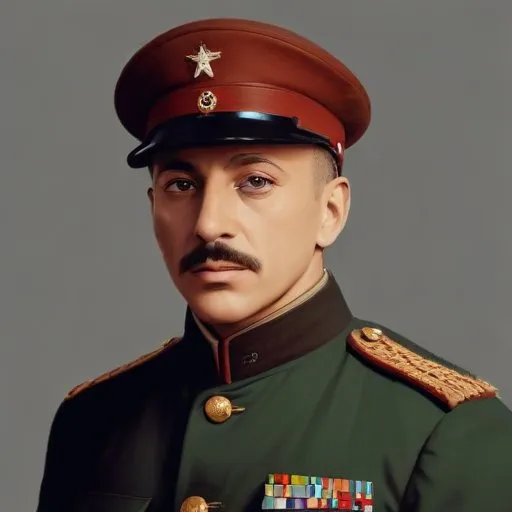
A flamboyant and provocative Italian artist, known for his bold and innovative works that blended literature, politics, and drama, inspiring a generation of artists and intellectuals.
Gabriele D'Annunzio was a multifaceted Italian icon, renowned for his poetic genius, daring war heroics, and radical political endeavors. As a celebrated poet, playwright, orator, and journalist, he left an indelible mark on Italian literature and politics, earning the epithets "il Vate" (the Poet) and "il Profeta" (the Prophet).
D'Annunzio's literary career spanned over three decades, during which he penned numerous novels, poems, and plays that captivated the Italian public. His works, characterized by sensuality, mysticism, and a sense of decadence, were heavily influenced by French symbolism and British aestheticism. His poetry, in particular, was marked by a sense of prophetic and divining qualities, earning him a reputation as a visionary.
Some of his notable works include:
During World War I, D'Annunzio's image transformed from literary figure to national war hero. He joined the Italian Army and became associated with the elite Arditi storm troops, participating in daring actions such as the Flight over Vienna. His bravery and patriotism inspired a nation, and he became a symbol of Italian resistance and courage.
In the aftermath of the war, D'Annunzio's political views evolved, shifting from socialism to nationalism. He became disillusioned with the Treaty of Versailles and the Paris Peace Conference, which he believed had betrayed Italy's interests. In response, he established the short-lived Italian Regency of Carnaro in Fiume, proclaiming himself Duce (leader). The Charter of Carnaro, which he drafted, enshrined music as the fundamental principle of the state, reflecting his corporatist ideals.
D'Annunzio's life was marked by controversy, scandal, and passion. His numerous love affairs, including those with actresses Eleonora Duse and Luisa Casati, captivated the public imagination. His political views were often provocative, and his nationalist rhetoric has been criticized for its authoritarian undertones.
Yet, despite the controversies, D'Annunzio's legacy as a poet, patriot, and visionary continues to inspire. His literary works remain a testament to his artistic genius, while his war heroics and political endeavors continue to fascinate and intrigue. As a complex, multifaceted individual, Gabriele D'Annunzio remains an enigmatic figure, forever etched in the annals of Italian history and culture.
Born in 1883
Italian fascist revolutionary and politician who led the National Fascist Party and ruled Italy from 1922 to 1943, known for his authoritarian regime and aggressive military campaigns.
Born in 1867
A renowned Italian writer who crafted innovative, psychologically complex works that explored the human condition, earning him the Nobel Prize in Literature. His plays and novels continue to influence modern theatre and literature.
Born in 1861
A pioneering figure in modernist literature, known for his influential novels of psychological insight, particularly "The Confessions of Zeno".
Born in 1881
An Italian writer and philosopher who explored themes of existentialism, futurism, and surrealism in his works, influencing 20th-century literature and thought.
Born in 1876
A pioneering figure in the Futurist movement, he wrote the Futurist Manifesto, advocating for a break with traditional cultural and social norms, and celebrating the dynamism of modern life.
Born in 1894
Author of dystopian classics like Brave New World, exploring the consequences of technological advancements on humanity. Known for prophetic warnings about government control and manipulation.
Born in 1885
A pioneering modernist poet and critic who transformed 20th-century literature with innovative styles and provocative ideas, shaping the course of modern poetry.
Born in 1865
A renowned Irish wordsmith and dramatist, celebrated for his mystical and nationalistic verse that explores the human condition, as well as his contributions to the Irish Literary Revival.
