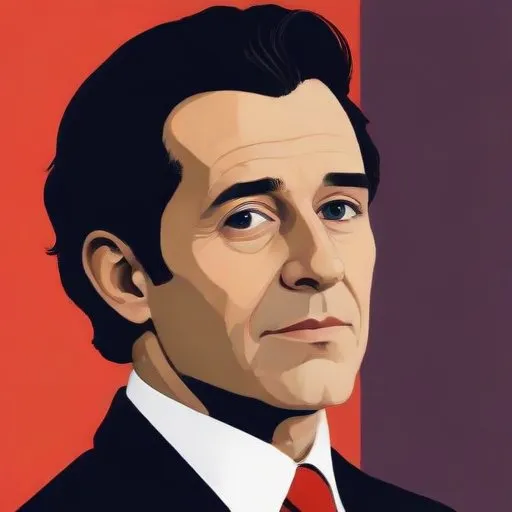
Elijah Parish Lovejoy: The Martyr of Free Speech and Abolition
A Passionate Advocate for Human Rights
Elijah Parish Lovejoy was a prominent American Presbyterian minister, journalist, and abolitionist who gave his life in the fight against slavery and for the freedom of the press. He is remembered as a martyr to the abolitionist cause, and his tragic death at the hands of a pro-slavery mob in 1837 shocked the nation and galvanized public opinion against slavery.
Early Life and Education
Born on November 9, 1802, in Albion, Maine, Lovejoy grew up in a family of modest means. He attended Waterville College (now Colby College) in Maine, graduating in 1826. After a brief stint as a teacher, Lovejoy felt drawn to journalism and decided to head west in search of new opportunities.
A Career in Journalism and Abolition
In 1827, Lovejoy arrived in St. Louis, Missouri, where he edited the St. Louis Times, a newspaper that soon became known for its anti-slavery stance. However, as the Missouri Compromise of 1820 allowed Missouri to enter the Union as a slave state, Lovejoy faced increasing pressure and threats from pro-slavery groups. In 1832, he returned east to study for the ministry at Princeton University, but soon returned to St. Louis to found the St. Louis Observer, which became a powerful voice against slavery.
Persecution and Murder
As Lovejoy's anti-slavery rhetoric grew stronger, so did the threats against him. In 1837, he moved his press to Alton, Illinois, a free state, but even there, he faced violent attacks from pro-slavery mobs. On November 7, 1837, a group of rioters attacked the warehouse where Lovejoy's press was housed, and he was fatally shot while trying to defend it.
A Lasting Legacy
Lovejoy's murder sent shockwaves across the nation, with many condemning the violence and calling for greater protections for freedom of speech and the press.
John Quincy Adams wrote that Lovejoy's death was "like an earthquake throughout this country," while the Boston Recorder declared that it had sparked "a burst of indignation...without parallel in this country since the Battle of Lexington." Even
John Brown, the radical abolitionist, was moved to dedicate his life to the destruction of slavery after hearing of Lovejoy's murder.
Impact on the Abolitionist Movement
Lovejoy's sacrifice did not go in vain. His martyrdom galvanized public opinion against slavery, and he became a symbol of the struggle for freedom and equality. His legacy inspired countless abolitionists, including Frederick Douglass, who wrote that Lovejoy's death was "a powerful stimulus to the anti-slavery movement."
Remembering Lovejoy Today
Today, Lovejoy is remembered as a hero of American democracy, a champion of human rights, and a passionate advocate for the freedom of speech and the press. The Lovejoy Monument in Alton, Illinois, stands as a testament to his courage and conviction, and his legacy continues to inspire generations to strive for justice and equality.
FAQ
What was Elijah Parish Lovejoys occupation?
Elijah Parish Lovejoy was an American minister, journalist, and activist who advocated for the abolition of slavery and social justice.
What was Elijah Parish Lovejoys role in the abolitionist movement?
Elijah Parish Lovejoy was a leading figure in the abolitionist movement, publishing anti-slavery newspapers and advocating for the immediate emancipation of all slaves.
What was Elijah Parish Lovejoys contribution to American journalism?
Elijah Parish Lovejoy was a pioneer in American journalism, founding and editing several newspapers that advocated for social justice and human rights.
When did Elijah Parish Lovejoy live?
Elijah Parish Lovejoy lived from 1802 to 1837, a period of significant social and cultural change in America.
What was Elijah Parish Lovejoys legacy as a social justice activist?
Elijah Parish Lovejoys legacy as a social justice activist is significant, as he risked his life to advocate for the abolition of slavery and the promotion of human rights, inspiring future generations of activists and reformers.