


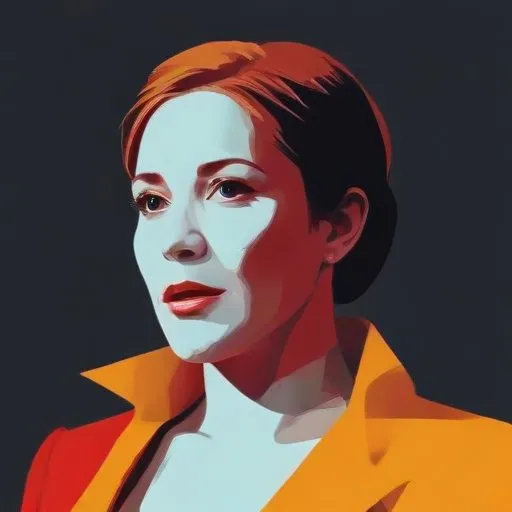
A renowned German opera singer, celebrated for her powerful, expressive voice and iconic performances in Verdi and Wagner operas. She was a leading soprano at the Metropolitan Opera in New York during the 1920s-1930s.
Elisabeth Rethberg, a German operatic spinto soprano, left an indelible mark on the world of opera, enthralling audiences with her powerful voice and captivating stage presence. Born Lisbeth Sttler on September 22, 1894, in Schwarzenberg, Germany, Rethberg's remarkable career spanned from the period of the First World War to the early 1940s, earning her international recognition and acclaim.
Rethberg's operatic journey began in 1915, when she made her debut in Dresden opposite Richard Tauber as Arsena in Johann Strauss's Der Zigeunerbaron. Her early success led to leading roles in notable operas such as Mozart's Figaro and Wagner's Die Meistersinger von Nrnberg. However, it was Richard Strauss's trust in her to perform the role of the Empress in his Die Frau ohne Schatten in 1919 that catapulted her to international stardom.
Rethberg's meteoric rise led to engagements at major opera houses across Europe, including the Vienna State Opera and the Royal Opera House in London. In 1922, she made her debut at the Metropolitan Opera in New York City as Verdi's Aida, embarking on a 20-season journey that saw her perform an impressive 30 roles. Her four Met opening nights, including Wagner's Die Walkre, Mozart's Figaro, and two performances of Aida, tie her with Licia Albanese as the soprano awarded the most Met opening nights.
Rethberg's remarkable talent and dedication to her craft earned her numerous accolades, including the esteemed title of Kammersngerin (Chamber Singer) in 1926.
Elisabeth Rethberg's remarkable career serves as a testament to her unwavering passion and dedication to the world of opera. Her legacy continues to inspire generations of sopranos, and her contributions to the opera world remain unparalleled.
Rethberg's life serves as a shining example of perseverance, hard work, and devotion to one's craft. As we reflect on her incredible journey, we are reminded of the transformative power of music and the impact one individual can have on the world of opera.
Born in 1923
A legendary soprano and actress renowned for her iconic opera performances and captivating stage presence, particularly in Verdi and Puccini roles.
Born in 1922
A renowned Italian opera singer and actress, celebrated for her powerful, expressive voice and iconic performances in Verdi and Puccini operas. Her legendary recordings remain widely admired today.
Born in 1890
A renowned opera singer and Hollywood film actor, celebrated for his powerful voice and charismatic on-screen presence, starring in over 40 films during the 1930s-1950s.
Born in 1895
A renowned opera singer celebrated for her powerful, expressive voice and iconic performances in Richard Wagner's operas. Her recordings remain a benchmark for soprano singers today.
Born in 1892
A renowned bass-baritone opera singer and actor, known for his charismatic stage presence and iconic performances in Broadway musicals, particularly in Rodgers and Hammerstein's "South Pacific".
Born in 1896
A renowned baritone of the Metropolitan Opera, known for his rich voice and charismatic stage presence, starring in films and Broadway shows during the 1930s.
