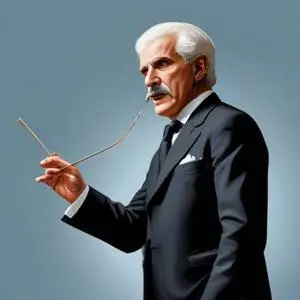
Arturo Toscanini: The Maestro of the Opera
The Conductor Who Shaped the Music World
Arturo Toscanini, a renowned Italian conductor, is widely regarded as one of the most influential musicians of the late 19th and early 20th centuries. He is best known for his intense performances, perfectionism, and exceptional ear for orchestral detail and sonority, which earned him the reputation as a maestro of the opera.
Early Life and Career
Born on March 25, 1867, in Parma, Emilia-Romagna, Italy, Toscanini grew up in a family of modest means. His father, a tailor, encouraged his love for music, and he won a scholarship to the Parma Conservatory, where he studied the cello. However, his time at the conservatory was marked by harsh living conditions, which led to his aversion to seafood, a habit he maintained throughout his life.
The Accidental Conductor
Toscanini's journey to becoming a conductor began by chance. While touring Brazil with an opera company in 1886, the scheduled conductor, Leopoldo Miguez, suddenly quit hours before a performance of
Aida in Rio de Janeiro. With no other options, the orchestra and singers suggested that Toscanini, then an assistant chorusmaster, take the baton. Despite never having conducted before, Toscanini memorized the entire opera and led a stunning performance, earning himself a standing ovation.
Rise to Fame
Toscanini's impromptu debut in Rio de Janeiro marked the beginning of his illustrious career. He went on to become the music director of La Scala in Milan, the New York Philharmonic, and later, the first music director of the NBC Symphony Orchestra (1937-1954). His radio and television broadcasts, as well as numerous recordings, made him a household name, particularly in the United States.
A Legacy of Perfectionism
Toscanini's relentless pursuit of perfection shaped the music world in countless ways. He was a demanding conductor, known for his exacting standards, which often led to friction with musicians. However, his ear for detail and ability to coax exceptional performances from orchestras made him a revered figure in the industry.
Awards and Honors
Throughout his career, Toscanini received numerous accolades, including the Grammy Lifetime Achievement Award, the Presidential Medal of Freedom, and honorary doctorates from several prestigious universities.
Personal Life and Milestones
Toscanini married Carla De Martini in 1897, and they had four children together. He was known for his strong anti-Fascist views and refused to perform in Italy during World War II. Toscanini passed away on January 16, 1957, leaving behind a legacy that continues to inspire generations of musicians and music lovers.
Quotes and Memorable Sayings
- "When I was young, I was told that the Italians didn't know how to sing. Now, I am told that the Italians don't know how to conduct." - Arturo Toscanini
- "The most important thing in music is the thing that is not put into the score." - Arturo Toscanini
Historical Context and Legacy
Arturo Toscanini's impact on the music world is undeniable. He helped shape the sound of classical music, and his recordings remain a benchmark for excellence. His legacy continues to inspire new generations of conductors, musicians, and music enthusiasts alike.
Influence on Popular Culture
Toscanini's influence extends beyond the classical music world. He has been referenced in popular culture, including in films, television shows, and literature. His iconic profile has also been featured on postage stamps and in art exhibitions.
A Life of Passion and Perfection
Arturo Toscanini's life was a testament to his passion for music and his unwavering commitment to excellence. His legacy serves as a reminder to strive for greatness and to never compromise on one's artistic vision. As we reflect on his remarkable life, we are reminded of the transformative power of music and the enduring impact of a true maestro.