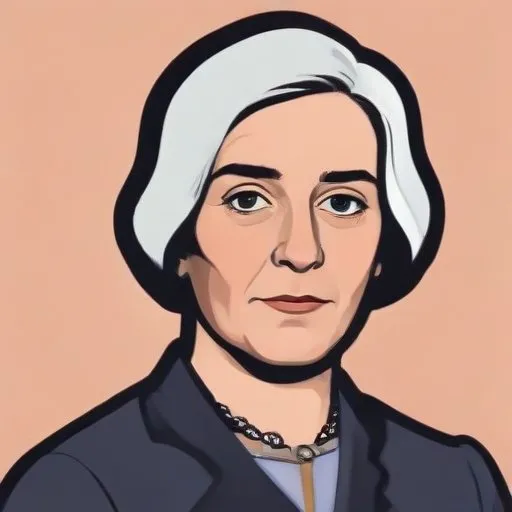
Elizabeth Barker, Baroness Barker: A Champion of Social Justice and Human Rights
A Life Dedicated to Public Service
Elizabeth Barker, Baroness Barker, is a renowned British politician and Liberal Democrat member of the House of Lords, known for her tireless advocacy on issues affecting the most vulnerable members of society, including the elderly, the LGBTQ+ community, and those living with HIV and AIDS. As a dedicated public servant, she has spent her career championing social justice, human rights, and equality, earning her a prominent place in British politics.
Early Life and Education
Born on 31 January 1961, Elizabeth Barker grew up in Scotland, where she attended Dalziel High School in Motherwell. She later pursued higher education at the University of Southampton, laying the foundation for her future career in public service.
A Career of Service and Advocacy
Before entering politics, Baroness Barker worked for Age Concern, a charity focused on supporting older people, from 1983 to 2007. Her experience in this role deepened her understanding of the challenges faced by seniors and instilled in her a passion for advocating on their behalf.
Entry into Politics and House of Lords
In 1999, Elizabeth Barker was created a life peer as Baroness Barker, of Anagach in Highland, recognizing her outstanding contributions to public service. As a Liberal Democrat spokesperson on the Voluntary Sector and Social Enterprise, she has continued to push for policies that promote social justice, equality, and human rights.
A Pioneer for LGBTQ+ Rights
In a landmark moment, Baroness Barker publicly revealed her same-sex relationship during the passage of the Marriage (Same Sex Couples) Act 2013, showcasing her courage and commitment to equality. She has since become a Patron of Opening Doors London, a charity supporting older LGBT people, and an Ambassador for the Albert Kennedy Trust, which helps vulnerable young people.
Leadership Roles and Committee Work
Baroness Barker has held various leadership positions, including Co-Chair of the All-Party Parliamentary Group on HIV, AIDS and Sexual Health, and the All-Party Parliamentary Group on Sexual and Reproductive Health in the UK. In the House of Lords, she serves as Deputy Speaker, Deputy Chairman of Committees, and Liberal Democrat Spokesperson on the Voluntary Sector, further solidifying her influence in shaping British policy.
Personal Milestones and Key Life Events
- Education: University of Southampton
- Worked for Age Concern (1983-2007)
- Appointed life peer as Baroness Barker (1999)
- PUBLICLY revealed same-sex relationship during passage of Marriage (Same Sex Couples) Act 2013
- Became Patron of Opening Doors London and Ambassador for Albert Kennedy Trust
- Assumed role of Deputy Speaker, Deputy Chairman of Committees, and Liberal Democrat Spokesperson on the Voluntary Sector in the House of Lords
Legacy and Impact
Through her unwavering dedication to social justice, human rights, and equality, Elizabeth Barker, Baroness Barker, has left an indelible mark on British politics and society. Her work has inspired countless individuals and advocacy groups, cementing her place as a champion of social change and a beacon of hope for those fighting for a fairer, more just society.
FAQ
What is Elizabeth Barkers role in the UK Parliament?
Elizabeth Barker, Baroness Barker, is a Liberal Democrat member of the House of Lords in the UK Parliament. She has been an active voice on health and social care issues, and has served on several committees.
What are some of Elizabeth Barkers notable contributions to UK politics?
Baroness Barker has made significant contributions to UK politics, including advocating for LGBTQ+ rights, improving healthcare services, and promoting social justice. She has also worked to raise awareness about mental health and autism.
What is Elizabeth Barkers professional background?
Before entering politics, Elizabeth Barker had a successful career in the National Health Service (NHS) and local government. Her experience in healthcare has informed her policy work and advocacy efforts.
How has Elizabeth Barker advocated for marginalized communities?
Baroness Barker has been a vocal advocate for marginalized communities, including LGBTQ+ individuals, people with disabilities, and those affected by discrimination. She has worked to promote equality and challenge injustice.
What awards or recognition has Elizabeth Barker received for her work?
Baroness Barker has received several awards for her contributions to politics, healthcare, and social justice, including the Liberal Democrat peerage in 2011 and the Stonewall Award for Politician of the Year in 2007.