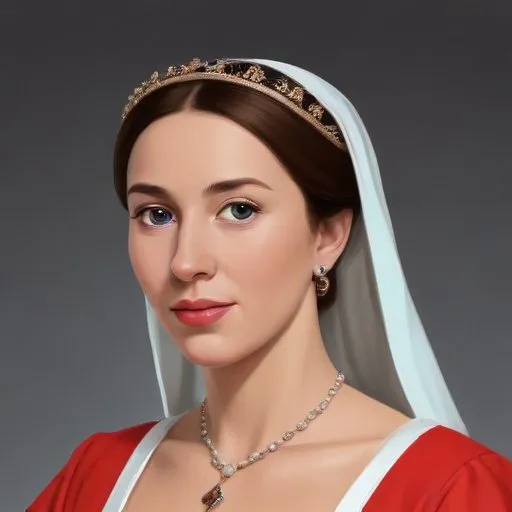
Elizabeth of Luxembourg: The Queen Who Fought for Her Patrimony
A Legacy of Strength and Determination
Elizabeth of Luxembourg, also known as Hungarian Luxemburgi Erzsbet, was a queen consort of Hungary, Germany, and Bohemia, who left an indelible mark on the history of Europe. She is revered for her unwavering determination to secure her patrimony and protect her family's interests, even in the face of adversity.
Early Life and Royal Connections
Born on October 7, 1409, Elizabeth was the only child of Holy Roman Emperor Sigismund, King of Hungary and Bohemia. Her father's influential position and reputation paved the way for her future as a powerful queen. In 1421, she married Albert of Austria, with whom she had three children: Anne, Elizabeth, and Ladislaus the Posthumous.
A Queen's Rise to Power
After her father's death, Elizabeth and her husband were elected by the Hungarian estates as de facto equal rulers. Although she faced opposition from the Veszprém bishop, who refused to crown her as queen, Elizabeth was recognized as co-ruler and played an active role in the government. Her husband's death in 1439 left her a pregnant dowager queen, determined to secure her son's rightful place on the throne.
A Civil War and a Queen's Downfall
The Bohemian nobility declared an interregnum, and King Vladislaus III of Poland was crowned the new king of Hungary in May 1440. Elizabeth, however, refused to relinquish her claim to the throne. She gave birth to
Ladislaus the Posthumous and vowed to fight for her son's inheritance. This led to a civil war between her supporters and those of Vladislaus III. Tragically, Elizabeth's determination and efforts were cut short by her sudden death on December 19, 1442, at the age of 33.
Personal Characteristics and Achievements
Elizabeth's life was marked by her strong will, courage, and unwavering commitment to her family's legacy. Despite the challenges she faced, she played an active role in government and was a skilled politician. Her ability to navigate the complexities of royal politics and her determination to secure her patrimony have earned her a place in history as one of the most remarkable queens of her time.
Legacy and Impact
Elizabeth's legacy extends beyond her own life and reign. She paved the way for future generations of strong and determined women in politics. Her fight for her son's inheritance and her refusal to surrender her claim to the throne have inspired countless others to stand up for their rights and fight for what they believe in.
Quotes and Memorable Sayings
Although there are no direct quotes from Elizabeth of Luxembourg, her actions and determination speak volumes about her character and values. Her unwavering commitment to her family's legacy and her willingness to fight for what she believed in are a testament to her strength and courage.
Historical Context and Legacy
Elizabeth's life and reign took place during a tumultuous period in European history. The Ottoman Empire was expanding, and the Holy Roman Empire was struggling to maintain its power. In this context, Elizabeth's determination to secure her patrimony and protect her family's interests is even more remarkable. Her legacy serves as a reminder of the importance of strong leadership and determination in the face of adversity.
FAQ
What was the role of Elizabeth of Luxembourg in the Luxembourg dynasty?
Elizabeth of Luxembourg played a significant role in the Luxembourg dynasty as the daughter of Emperor Sigismund and a key figure in the Luxembourgian royal family. She was a strong advocate for her familys interests and helped to secure alliances and marriages that strengthened their position.
What was Elizabeth of Luxembourgs relationship like with her husband, Albert II of Germany?
Elizabeth of Luxembourg was married to Albert II of Germany, and their relationship was marked by a strong partnership and mutual respect. Together, they worked to consolidate their power and secure their familys future.
How did Elizabeth of Luxembourg contribute to the development of the Luxembourg region?
Elizabeth of Luxembourg was a patron of the arts and education, and her contributions to the development of the Luxembourg region were significant. She supported the construction of important buildings and institutions, and her legacy can still be seen in the region today.
What were Elizabeth of Luxembourgs achievements as a regent?
Elizabeth of Luxembourg served as regent for her son, Ladislaus the Posthumous, and her achievements in this role were impressive. She successfully navigated complex political situations and secured important alliances, demonstrating her skills as a skilled politician and leader.
What is Elizabeth of Luxembourgs legacy in European history?
Elizabeth of Luxembourgs legacy in European history is that of a strong and capable leader who played a crucial role in shaping the fate of the Luxembourg dynasty. Her contributions to the development of the region and her skillful navigation of complex political situations have earned her a lasting place in the annals of European history.