


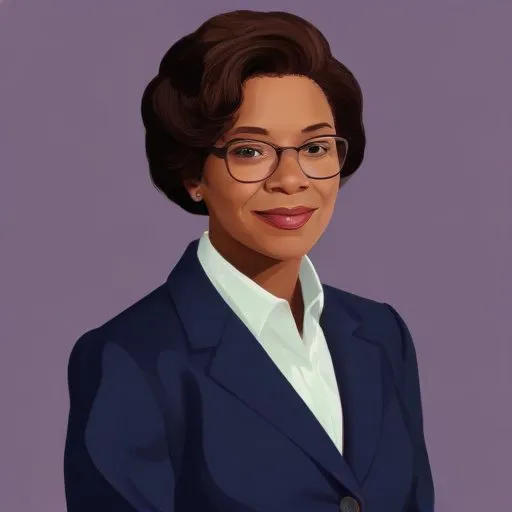
A pioneering ecologist who studied and preserved Tennessee's natural habitats, particularly the cedar glades, and advocated for environmental conservation.
Elsie Quarterman was a renowned plant ecologist, best known for her groundbreaking work on the ecology of Tennessee cedar glades, and her rediscovery of the native Tennessee coneflower, Echinacea tennesseensis, which was thought to be extinct. Her research and contributions to the field of ecology have left a lasting impact on our understanding of these unique habitats and the importance of conservation.
Born on November 28, 1910, in Valdosta, Georgia, Quarterman earned her B.A. from Georgia State Women's College (now Valdosta State University) in 1932. She went on to earn her M.A. in botany from Duke University in 1943, and completed her PhD at Duke University in 1949, under the guidance of Henry J. Oosting.
Quarterman's research focused on the ecology of Tennessee cedar glades, which are rare habitats characterized by shallow soils and unique plant communities. Her work in this area led to a greater understanding of these ecosystems and their importance in supporting biodiversity. She collaborated extensively with Catherine Keever, and her research has been instrumental in informing conservation efforts.
Quarterman's most notable achievement is perhaps her rediscovery of the native Tennessee coneflower, Echinacea tennesseensis, in 1969. Thought to be extinct, this plant was successfully conserved, and was delisted as an endangered species in 2011. This achievement highlights the importance of conservation efforts and the role that scientists like Quarterman play in protecting our natural heritage.
Quarterman received numerous awards and honors for her contributions to the field of ecology. She was the first woman to chair the Biology Department at Vanderbilt University in 1964, and was awarded the 2003 Distinguished College/University Scientist Award by the Tennessee Academy of Science.
The Southeastern Chapter of the Ecological Society of America honors Quarterman's legacy with the annual Quarterman-Keever Award, given to the best student poster in ecology. The Elsie Quarterman Cedar Glade, a 185-acre natural area near La Vergne, Tennessee, is also named in her honor.
Elsie Quarterman's legacy extends beyond her research and contributions to the field of ecology. She supervised seven doctoral students, including Stewart Ware, Carol and Jerry Baskin, and inspired a new generation of scientists to pursue careers in ecology and conservation. Her work continues to inform conservation efforts and has left a lasting impact on our understanding of these unique habitats.
In conclusion, Elsie Quarterman was a pioneering plant ecologist whose research and contributions have had a profound impact on our understanding of Tennessee cedar glades and the importance of conservation. Her legacy continues to inspire and educate scientists and the public alike, and serves as a testament to the power of dedication and hard work.
97 Years Old
A renowned biologist and author who has made groundbreaking contributions to our understanding of ecology, evolution, and conservation, and is known for his advocacy for biodiversity and the preservation of natural habitats.
92 Years Old
Renowned for groundbreaking chimpanzee research and tireless conservation efforts, this trailblazing scientist has greatly advanced our understanding of primates and the natural world.
Born in 1926
A renowned naturalist and broadcaster, sharing the wonders of the natural world through captivating documentaries and series, inspiring generations to care about the planet.
Born in 1907
Pioneering biologist and environmentalist who exposed the dangers of pesticides and inspired the modern environmental movement through her groundbreaking book "Silent Spring".
Born in 1887
Pioneering ecologist and author who advocated for land ethics and conservation, inspiring a new generation of environmentalists.
Born in 1838
A pioneering conservationist and writer who advocated for the preservation of America's wilderness and national parks, inspiring generations to appreciate and protect the natural world.
Born in 1817
A 19th-century thinker who advocated for simple living, civil disobedience, and individualism, inspiring generations to reevaluate their relationship with nature and society.
Born in 1854
A German physician and biologist who discovered the first effective treatment for syphilis and developed the concept of chemotherapy, earning a Nobel Prize in Physiology or Medicine in 1908.
