


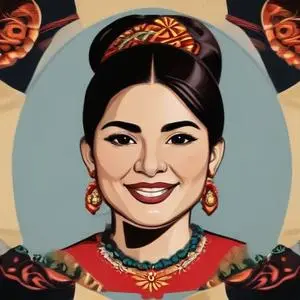
A pioneering female politician who fought for women's suffrage and social justice in Mexico, becoming a symbol of feminist resistance and a champion of human rights.
Elvia Carrillo Puerto, a trailblazing Mexican socialist politician and feminist activist, left an indelible mark on her country's history, earning her the nickname "The Red Nun" for her tireless dedication to the revolution and women's rights. As a pioneering figure, she broke barriers, becoming Mexico's first woman state deputy in 1923 and founding the country's first feminist organizations, including the League of Rita Cetina Gutierrez in 1919.
Born on December 6, 1878, in Motul, Yucatán, Mexico, Carrillo Puerto's life was marked by early hardship and determination. Married at just 13, she was widowed by 21, an experience that would shape her future activism.
Carrillo Puerto's most significant contribution was the establishment of feminist organizations, which aimed to promote women's rights and improve their living conditions. The Rita Cetina Gutierrez League, founded in 1919, was the first of its kind, providing education on child care, economics, and hygiene to poor women. The league also led campaigns against prostitution, drug abuse, and superstition.
Carrillo Puerto's work was guided by her conviction that large families were a barrier to a better life for the poor. She believed in the importance of education, economic empowerment, and access to healthcare for women. Her philosophy was influenced by the works of Margaret Sanger, an American birth control activist, whose literature she distributed in Mexico.
Carrillo Puerto's career was marked by numerous milestones, including:
Carrillo Puerto's work and legacy have had a lasting impact on Mexican society. Her pioneering efforts paved the way for future generations of women to enter politics and advocate for their rights. Today, she is remembered as a symbol of female empowerment and a champion of social justice.
Elvia Carrillo Puerto's remarkable story serves as a testament to the power of determination and activism, inspiring countless individuals to continue fighting for a more equitable and just society.
Born in 1890
A Mexican general and politician who served as President of Mexico from 1952 to 1958, known for his efforts to modernize the country and promote social welfare. He implemented various reforms, including the establishment of a national healthcare system.
Born in 1895
A Mexican revolutionary general who served as president, implementing significant land reforms and nationalizing the oil industry, and father of a prominent politician.
73 Years Old
The President of Mexico since 2018, a left-wing populist leader who has implemented various social and economic reforms, and has been a vocal critic of neoliberalism and corruption. He has also been a strong advocate for social justice and human rights.
60 Years Old
The 57th President of Mexico, a lawyer-turned-politician who served from 2012 to 2018, is known for his reforms to the country's energy sector and education system. He's also infamous for his administration's human rights abuses and corruption scandals.
84 Years Old
The first president to end the Institutional Revolutionary Party's 71-year rule, known for his efforts to reform Mexico's economy and politics. He's a vocal critic of Donald Trump's policies towards Mexico.
64 Years Old
The 56th President of Mexico, a lawyer-turned-politician who served from 2006 to 2012, is known for his efforts to combat drug cartels and reform the country's energy sector.
91 Years Old
The 52nd President of Mexico, a lawyer and politician who implemented economic reforms and democratization, known for stabilizing the country's economy and introducing neoliberal policies.
74 Years Old
Led Mexico's government from 1994 to 2000, implementing economic reforms and navigating the country's financial crisis. He's also known for his work on international development and climate change initiatives.
