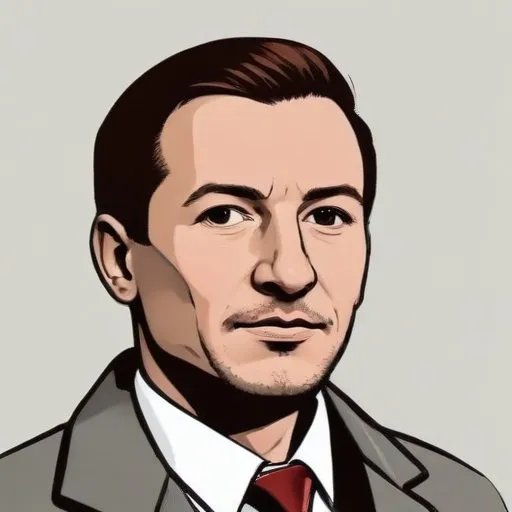
Emil Korytko

Emil Korytko

Emil Korytko was born on September 7th, 1813

Full Name: Emil Korytko
Profession: Activist and Translator
Nationality: Polish
Born: Not available
Died: Not available
Notable Works: Not available
Role: Polish Activist
Cause: Not available

A Polish activist and translator who fought for LGBTQ+ rights and translated influential works of literature, helping to promote cultural understanding and social change.

Written by: Aisha Patel Aisha Patel

Emil Korytko: The Polish Activist Who Bridged Cultural Gaps Through Ethnography and Philology

Emil Antoni Korytko, a Polish political activist, ethnographer, and philologist, is revered for his remarkable contributions to the cultural dialogue between Poland and Slovenia during the period of the Great Emigration. His groundbreaking work in collecting and documenting Slovene folk songs and vivid descriptions of Carniolan folk customs has left an indelible mark on the cultural heritage of both nations.

Early Life and Study

Born on September 7, 1813, in Zhezhava, Austrian Galicia (now Ukraine), Korytko's curiosity and passion for learning led him to study philosophy and philology at the University of Lwow from 1832. His involvement in the November Uprising, however, led to his arrest by the Austrian authorities in 1834 on charges of participating in underground subversive activities.

Exile and Rediscovery

In 1836, Korytko was sent into confinement to Ljubljana, Duchy of Carniola (now Slovenia), where he arrived in late January 1837. During his exile, he befriended the Slovene poet France Prešeren and became an integral part of the Slovene national Romantic circle. This union sparked a creative outpouring, as Korytko translated several poems by Adam Mickiewicz into German and reciprocally, translated some of Prešeren's poems into German.

Cultural Bridge Builder

Korytko's fascination with Slovene folk culture led him to collect and publish five volumes of Slovene folk songs from Carniola. He also documented Carniolan folk customs, inspiring the painter Franz Kurz zum Turn und Goldenstein to create 70 portraits of people in various folk costumes. These endeavors not only showcased Korytko's scholarly prowess but also facilitated a cross-cultural dialogue between Polish and Slovene authors and readers.

Lifetime Achievements and Legacy

Korytko's premature passing at the age of 25 in Ljubljana due to typhus did not deter his legacy. He was buried at Navje (now St. Christopher's Cemetery) in the Beigrad District, with his funeral serving as one of the first public manifestations of Slovene patriotism. Among the young Slovene patriots chosen to carry Korytko's coffin was Karel Dežman.

Commemoration and Impact

In November 2013, the 200th anniversary of Korytko's birth was celebrated, underscoring the significance of his contributions to the cultural understanding between Poland and Slovenia. His ethnographic and philological endeavors continue to inspire scholars, fostering a deeper appreciation for the rich cultural heritage of both nations.

Timeline
1813
Birth in Kraków
Emil Korytko was born in Kraków, Poland, to a family of intellectuals and activists.
1830
Studies Literature and Philosophy
Korytko studied literature and philosophy in Kraków, developing his skills as a writer and translator.
1840
Publishes Wspomnienia Krakowa
Korytko published his collection of short stories, Wspomnienia Krakowa, which explored the history and culture of Kraków.
1850
Translates Works of Polish Literature
Korytko translated works of Polish literature into German, promoting the countrys cultural heritage to a wider audience.
1871
Death in Kraków
Emil Korytko passed away in Kraków, leaving behind a legacy of literary contributions to Polish culture.
Emil Korytko

Emil Korytko Quiz

What was Emil Korytko's primary profession?

Score: 0/5
FAQ
What was Emil Korytkos role in the Polish independence movement?
Emil Korytko was a key figure in the Polish independence movement, advocating for Polish sovereignty and self-determination. He was involved in various organizations and initiatives aimed at promoting Polish culture and language.
How did Emil Korytkos work as a translator influence Polish literature?
Emil Korytkos work as a translator introduced Polish readers to key works of European literature, enriching the countrys cultural landscape. His translations helped to promote cross-cultural understanding and facilitated the exchange of ideas between Poland and other European nations.
What was Emil Korytkos role in the development of the Polish language?
Emil Korytko was a dedicated advocate for the Polish language, working to promote its use and development. He believed that language was essential to national identity and that it played a crucial role in shaping Polish culture.
How did Emil Korytkos experiences shape his views on nationalism?
Emil Korytkos experiences as a Pole living under foreign rule shaped his views on nationalism. He believed that nationalism was a necessary response to foreign domination and that it was essential for the preservation of Polish culture and identity.
What is Emil Korytkos legacy in Polish history?
Emil Korytkos legacy is that of a dedicated advocate for Polish independence and culture. His work as a translator, writer, and activist helped to promote Polish literature and language, contributing significantly to the countrys cultural heritage.

Related People:

Born in 1867

A Polish leader who played a crucial role in regaining Poland's independence after World War I and served as the country's prime minister, known for his military prowess and statesmanship.