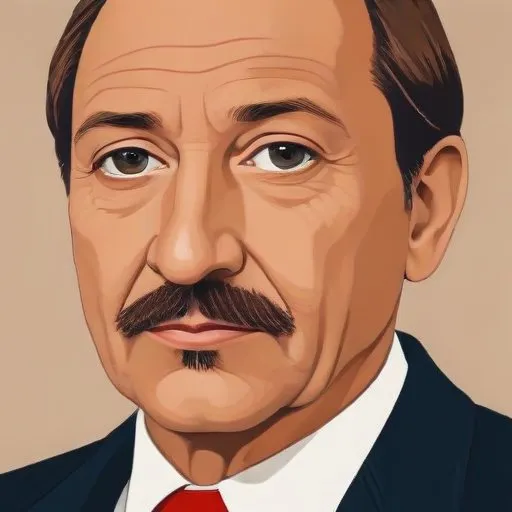
Endre Ady: The Hungarian Poet of Social Progress and Development
A Life of Literary Excellence and Journalistic Pursuits
-regarded by many as the greatest Hungarian poet of the 20th century, Endre Ady is renowned for his steadfast belief in social progress and development, and his poetry's exploration of fundamental questions of the modern European experience, including love, temporality, faith, individuality, and patriotism. His works continue to inspire and influence Hungarian literature to this day.
Early Life and Education
Born on November 22, 1877, in Érmindszent, Szilágy County (now a village in Căua commune, Satu Mare County, Romania), Endre Ady belonged to an impoverished Calvinist noble family. He was the second of three children, with an elder sister Ilona who sadly passed away at a young age. After completing his studies at the Calvinist College in Zilah (today Zalău, Romania) between 1892 and 1896, Ady pursued law at the Reformed College in Debrecen, only to drop out and embark on a career in journalism.
Journalistic Pursuits and Early Literary Works
On March 22, 1896, Ady published his first poem in the Zilah newspaper Szilágy, marking the beginning of his literary journey. His first volume of poems, "Versek" (Poems), was published in 1899. As a journalist, Ady's articles in the Nagyvárad (today Oradea, Romania) newspaper Nagyvárad in 1902 showcased his keen observation of social features of his time, foreshadowing his later socially conscious poetry.
Rise to Prominence and Literary Achievements
The turning point in Ady's career came in August 1903, when he met Adél Brüll Dezső, a wealthy, married Jewish woman who became his muse and inspiration. This encounter led to a burst of creative energy, resulting in the publication of a new collection of poems in 1903. Although initially met with relative obscurity, Ady's works eventually gained recognition, solidifying his position as a leading figure in Hungarian literature.
Philosophical Contributions and Beliefs
Ady's poetry and journalism reflected his unwavering commitment to social progress and development. He passionately advocated for the betterment of society, often critiquing the status quo and exploring the human experience through his works. His philosophical contributions continue to influence Hungarian literature, making him a beacon of intellectual and artistic excellence.
Influence on Modern Society and Legacy
Endre Ady's legacy extends far beyond his literary achievements. His poetry and journalism have had a profound impact on Hungarian society, inspiring generations of writers, intellectuals, and artists. His commitment to social progress and development continues to resonate with contemporary audiences, solidifying his position as a cultural icon in Hungarian history.
Trivia and Fun Facts
- Endre Ady's niece, Mariska Ady (1888-1977), was also a writer and poet.
- Ady's poetry is often characterized by its use of rich imagery, symbolism, and exploration of the human condition.
- He was known for his sharp wit and satire, often using his journalism to critique societal norms and conventions.
Quotes and Memorable Sayings
"Perhaps unwittingly, master Fadrusz has carved a satire" - Endre Ady, referring to the unveiling of the Wesselényi Monument.
Historical Context and Comparative Analysis
Endre Ady's life and works are inextricably linked to the tumultuous era in which he lived. His poetry and journalism reflect the intellectual and artistic movements of his time, including Modernism and Symbolism. Comparative analysis with contemporaries such as Mihály Babits and Dezső Kosztolányi reveals Ady's unique voice and contribution to Hungarian literature.
Career Highlights and Major Works
- Versek (Poems) - 1899
- New collection of poems - 1903
- Articles in Nagyvárad newspaper - 1902
Inspiration and Impact on Pop Culture
Endre Ady's poetry and journalism have inspired generations of Hungarian artists, writers, and intellectuals. His influence can be seen in the works of contemporary Hungarian writers, such as
Péter Esterházy and
László Krasznahorkai. Ady's commitment to social progress and development continues to resonate with modern audiences, making him a lasting figure in Hungarian cultural heritage.