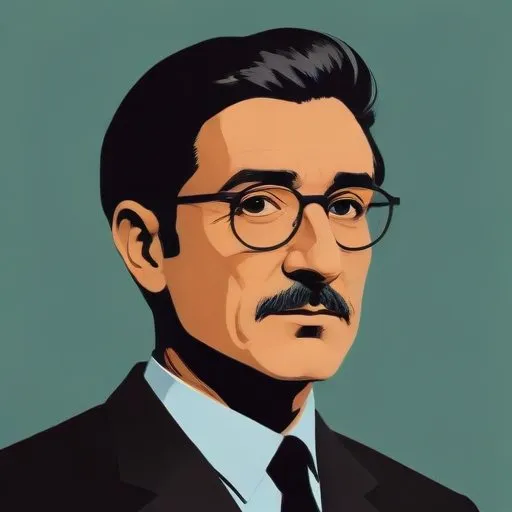
Enzo Biagi: A Trailblazing Italian Journalist and Author
A Six-Decade Long Career in Journalism
Enzo Biagi is renowned for his extensive career as an Italian journalist, writer, and former partisan, spanning over six decades. With an impressive repertoire of over 80 books, he remains one of the most prolific and celebrated journalists in Italian history.
Early Life and Career
Born on August 9, 1920, in Lizzano in Belvedere, Biagi began his journalistic journey in Bologna. His early foray into the world of journalism led him to work on the screenplay of the historical film "Red Shirts" in 1952. Shortly after, in 1953, he became the editor-in-chief of Epoca magazine, marking the beginning of his illustrious career.
Awards and Honors
Throughout his career, Biagi was recognized with numerous awards and honors for his outstanding contributions to journalism. Notable accolades include the 1979 Saint Vincent prize, the 1985 Ischia International Journalism Award, and the 1987 Premio Bancarella for his book "Il boss è solo," which featured an interview with former Sicilian Mafia boss Tommaso Buscetta.
Television and Controversy
Biagi's work extended to television, where he worked on the Italian national TV channel Rai 1 until 2001. However, his career was not without controversy. On May 9, 2001, during his daily prime-time TV show "Il Fatto," Biagi interviewed actor and director
Roberto Benigni, who openly declared his preference for Francesco Rutelli from the Olive Tree coalition, opposing
Silvio Berlusconi. This led to Biagi's disappearance from TV screens, allegedly due to Berlusconi's "Bulgarian Edict," which accused Biagi, along with two other journalists, of misusing public television services.
Philosophical Contributions and Beliefs
Biagi was a firm advocate for pluralism in public service media. He believed that a country that restricts opposing ideas from being voiced on air is, in essence, a regime. This conviction led him to become a vocal critic of Berlusconi's motives for entering politics, citing that a public service should provide diverse perspectives.
Personal Milestones and Legacy
After a brief hiatus from television, Biagi returned to the small screen on April 22, 2007, at the age of 86. Sadly, his return was short-lived, as he passed away on November 6, 2007. Throughout his remarkable career, Biagi left an indelible mark on Italian journalism, earning him a place among the nation's most revered and respected journalists.
- Notable Works:
- "Il boss è solo" (1987)
- "Red Shirts" (1952)
Influence on Modern Society
Enzo Biagi's unwavering commitment to pluralism and his unrelenting pursuit of truth have had a lasting impact on modern Italian society. His work serves as a testament to the importance of a free press, and his legacy continues to inspire future generations of journalists.
Quote
"A country where government prevents opposing ideas from being voiced on air is a regime." – Enzo Biagi
FAQ
What was Enzo Biagis journalism career like?
Enzo Biagi had a long and distinguished journalism career, working as a reporter, editor, and writer for several Italian newspapers and magazines from the 1940s to the 2000s.
What kind of books did Enzo Biagi write?
Enzo Biagi wrote several books on history, politics, and culture, many of which have become classics of Italian literature.
How did Enzo Biagi contribute to Italian journalism?
Enzo Biagi made significant contributions to Italian journalism through his writing and editing, helping to shape public opinion and promote democracy in post-war Italy.
What awards did Enzo Biagi receive for his writing?
Enzo Biagi received several awards for his writing, including the prestigious Premio Campiello in 1974.
What legacy did Enzo Biagi leave behind?
Enzo Biagis legacy in Italian journalism is still celebrated today, with many regarding him as one of the countrys most important and influential journalists of the 20th century.