


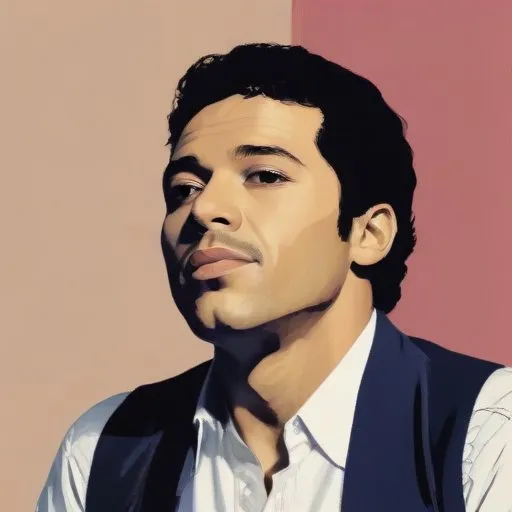
A Brazilian rock legend, known for blending tropical rhythms with psychedelic rock and folk, creating a unique sound that influenced generations of musicians.
Erasmo Carlos is a household name in Brazilian music, renowned for his iconic collaborations with Roberto Carlos, which spawned chart-topping hits like "Proibido Fumar" and "Sentado à Beira do Caminho". Together, they revolutionized the Brazilian pop-rock scene, earning Erasmo a permanent place in the country's musical heritage.
Born Erasmo Esteves on June 5, 1941, in the Tijuca neighborhood of Rio de Janeiro, Erasmo grew up surrounded by music. His childhood friend, Sebastião Rodrigues Maia (later known as Tim Maia), taught him his first guitar chords in 1957. This encounter paved the way for Erasmo's entry into the music world.
After joining Tim Maia's band, Os Sputniks, Erasmo met Roberto Carlos, with whom he would form a lasting musical partnership. The two, along with Wanderlea, would go on to dominate the Jovem Guarda (Young Guard) movement, a pivotal era in Brazilian pop-rock.
The Jovem Guarda movement, which emerged in the 1960s, was characterized by its fusion of American rock 'n' roll with Brazilian rhythms. Erasmo, Roberto Carlos, and Wanderlea were its leading figures, frequenting television shows, magazines, and feature films as teen idols.
Their music reverberated across Brazil, with hits like "Além do Horizonte" and "Amigo" solidifying their status as national treasures. Erasmo's soulful voice and poetic songwriting skills complemented Roberto Carlos' velvety smooth tone, creating a dynamic duo that captivated audiences nationwide.
Erasmo's music often reflected his beliefs in love, friendship, and social responsibility. His songs addressed everyday people's struggles, offering messages of hope and encouragement. This empathetic approach earned him a loyal following, as listeners identified with his authentic and heartfelt lyrics.
Erasmo Carlos' influence on Brazilian music is immeasurable. He, along with Roberto Carlos, helped shape the country's musical identity, paving the way for future generations of musicians. His legacy extends beyond music, inspiring countless fans with his humble, down-to-earth persona and commitment to social causes.
Erasmo Carlos continued to release music throughout his life, experimenting with various styles and collaborating with diverse artists. He remained a beloved figure in Brazilian music until his passing on November 22, 2022, leaving behind a rich legacy that continues to inspire new generations of musicians and fans alike.
In conclusion, Erasmo Carlos' remarkable career serves as a testament to the power of music to bring people together and inspire positive change. His enduring legacy ensures that his unforgettable melodies and poignant lyrics will continue to resonate with audiences for years to come.
84 Years Old
A Brazilian cultural icon, he's a master of Tropicalia, a genre that blends traditional Brazilian music with psychedelic rock and folk, and is known for his poetic lyrics and soothing voice.
84 Years Old
A Brazilian music legend and politician who blended traditional styles with modern sounds, promoting cultural diversity and social justice through his music and public service.
84 Years Old
A Brazilian tropicalia legend, blending samba, rock, and folk to create a unique sound, known for hits like "Mas, Que Nada!" and "Taj Mahal".
82 Years Old
A Brazilian cultural icon, renowned for his soulful voice, poignant lyrics, and literary works that capture the essence of Brazilian identity and social commentary.
84 Years Old
A legendary Brazilian musician celebrated for his soaring vocals and genre-bending fusion of folk, rock, and jazz, creating a unique sound that transcends borders. He's a national treasure in Brazil, inspiring generations of musicians.
81 Years Old
A Brazilian tropicalia icon, known for blending traditional Brazilian music with psychedelic rock and folk elements, creating a unique sound that defined a generation.
80 Years Old
A renowned Brazilian singer, known for her powerful, emotive voice and iconic interpretations of traditional Brazilian music, particularly MPB (Brazilian popular music).
Born in 1913
A renowned poet, playwright, and composer who merged Brazilian rhythms with French existentialism, creating iconic bossa nova songs like "The Girl from Ipanema".
