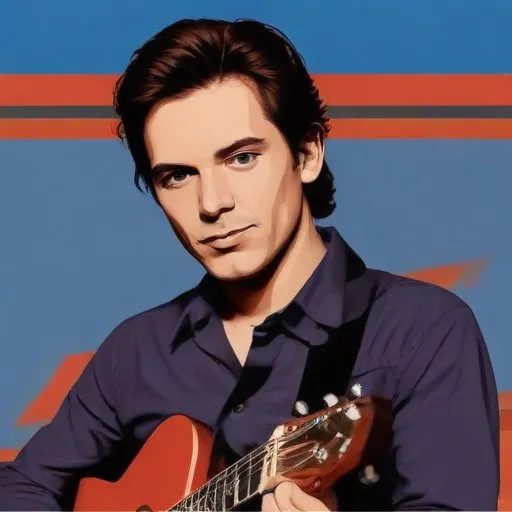
Eric Gale: The Virtuosic Jazz Fusion Guitarist
A Legacy of Innovation and Style
Eric Gale, an American jazz and jazz fusion guitarist, left an indelible mark on the music world with his unique blend of technical mastery and nuanced expression. Born on September 20, 1938, in Brooklyn, New York, Gale's versatile career spanned over three decades, leaving behind a rich legacy of influential works and collaborations.
Early Life and Influences
Gale's eclectic upbringing played a significant role in shaping his musical perspective. His grandfather was English, and he had relatives in Venezuela and Barbados, exposing him to a diverse range of cultural influences. Growing up, Gale spent his holidays visiting family in the UK, which broadened his worldview. He was also fluent in Spanish, German, and French, reflecting his international roots.
Musical Beginnings and Education
Gale began playing the guitar at the age of 12 and attended private, all-boys Catholic schools. His exceptional math skills allowed him to skip junior high school, and during high school, he frequently visited
John Coltrane's home, sitting in on jam sessions that greatly influenced his distinctive style. Gale went on to receive his Master's degree in chemistry from Niagara University, but he made the fateful decision to pursue a musical career full-time, forsaking his Ph.D. in chemistry, which didn't sit well with his mother.
Collaborations and Career Highlights
Gale's remarkable career was marked by memorable collaborations and iconic recordings. He played guitar on Bobby Lewis's big hit "Tossin' and Turnin'" (1961) and
Roberta Flack and
Donny Hathaway's "Where Is the Love" (1972). Gale's work with Roberta Flack was particularly noteworthy, as she begged him to return to New York to help with her "Killing Me Softly" (1973) album. He eventually relented, flying back to the United States after completing his "Negril" album with Cedric Brooks,
Richard Tee, the Wailers, and
Peter Tosh on vocals in Kingston, Jamaica.
Gale's virtuosic playing style blended intricate fingerwork, melodic sensitivity, and a profound understanding of harmony. His fusion of jazz, rock, and funk elements created a distinctive sound that influenced a generation of musicians. Gale's ability to navigate complex time signatures and polyrhythms with ease made him a sought-after session musician and collaborator.
Philosophical Contributions and Beliefs
Gale's music reflected his introspective and philosophical nature. He believed in the power of music to transcend borders and cultures, often incorporating Latin American and Caribbean rhythms into his work. His philosophy was rooted in the idea that music should be a reflection of one's experiences and emotions, rather than simply a technical exercise.
Controversies and Public Perception
Gale's decision to pursue music full-time was met with initial disapproval from his mother, who had envisioned a career in chemistry for her son. However, his dedication to his craft ultimately earned him widespread recognition and respect.
Influence on Modern Society
Gale's influence can be seen in the many musicians he inspired, from jazz fusion legends like George Benson to rock icons like Steely Dan. His music continues to be celebrated for its innovative spirit, technical mastery, and emotional depth.
Legacy and Comparative Analysis
Eric Gale's remarkable career serves as a testament to the power of creative expression and innovation. His unique blend of jazz, rock, and fusion elements has left an indelible mark on the music world, influencing generations of musicians and cementing his place as one of the most important guitarists of the 20th century.
FAQ
What were Eric Gales most notable musical collaborations?
Eric Gale was a prolific session musician, with notable collaborations including his work with the jazz-funk group Stuff and his contributions to albums by artists such as Paul Simon and Van Morrison.
How did Eric Gales guitar playing style influence contemporary jazz?
Eric Gales guitar playing style was highly influential in contemporary jazz, with his smooth, groove-oriented sound helping to define the genre.
What albums did Eric Gale release as a solo artist?
Eric Gale released several albums as a solo artist, including Forecast and Multiplication, which showcased his skills as a composer and bandleader.
How did Eric Gales work as a producer shape his musical style?
Eric Gales work as a producer had a significant impact on his musical style, with his experience working with other artists informing his approach to songwriting and arrangement.
What role did Eric Gale play in the development of fusion jazz?
Eric Gale was a key figure in the development of fusion jazz, with his work helping to define the genre and push its boundaries.