


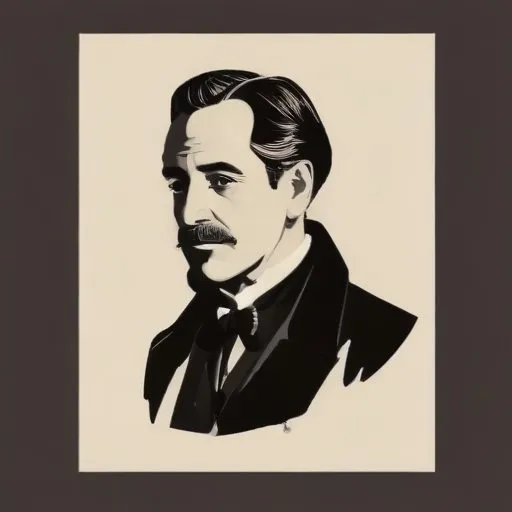
Austrian-American composer and conductor renowned for scoring iconic films like "Exodus" and winning an Academy Award for Best Original Score. His music evokes epic grandeur and emotional depth.
When we think of iconic movie themes, it's impossible to forget the majestic scores of Ernest Gold, the renowned composer behind some of Hollywood's most beloved classics. From the sweeping epic Exodus to the whimsical wonder of It's a Mad, Mad, Mad, Mad World, Gold's music has transcended generations, leaving an indelible mark on the world of cinema.
Born on July 13, 1921, in Vienna, Austria, Ernest Gold's affinity for music was evident from a young age. His family, fleeing the Nazi occupation, immigrated to the United States in 1938, where Gold would go on to study music at the Juilliard School of Music.
Gold's compositional genius can be heard in a wide range of films, from the dramatic intensity of The Defiant Ones (1958) to the lighthearted charm of A Funny Thing Happened on the Way to the Forum (1966). His ability to craft music that perfectly complemented the visual narrative has made him a beloved collaborator among directors.
The signature theme from Exodus, with its soaring strings and triumphant horns, has become synonymous with cinematic grandeur. The score's impact was so profound that it reached beyond the film itself, becoming a cultural touchstone and earning Gold an Academy Award.
Gold's eclectic style was influenced by the works of classical masters like Bach and Debussy, as well as his contemporaries in the film industry. He frequently collaborated with directors like Stanley Kramer and Otto Preminger, and his music has been performed by renowned orchestras around the world.
Ernest Gold passed away on March 17, 1999, leaving behind a body of work that continues to inspire new generations of composers and film enthusiasts. His legacy serves as a testament to the power of music to elevate and transform the cinematic experience.
In the words of Gold himself, "Music is the emotional truth of the film... It's the heartbeat, the pulse, the nervous system of the movie."
As we celebrate the life and work of Ernest Gold, we are reminded that the magic of cinema is forever intertwined with the magic of music. His legacy will continue to captivate audiences, inspiring new generations to appreciate the art of film scoring.
94 Years Old
A renowned pianist, composer, and conductor, he is best known for his iconic film scores, including Star Wars, Indiana Jones, and Harry Potter, which have become an integral part of popular culture.
Born in 1911
A renowned composer and conductor, he crafted iconic film scores that elevated cinematic experiences, including the haunting themes for Psycho and Taxi Driver.
Born in 1906
A renowned composer and conductor, best known for scoring iconic Hollywood films, including "Rebecca," "Sunset Boulevard," and "The Bride of Frankenstein," earning him multiple Academy Awards.
Born in 1907
A renowned composer and conductor, he created iconic film scores for Hollywood classics like "Ben-Hur" and "El Cid", earning him multiple Academy Awards.
Born in 1894
A renowned composer and conductor who scored iconic films like "High Noon" and "It's a Wonderful Life", creating memorable themes that evoke emotions and nostalgia.
Born in 1922
A renowned composer and conductor, he scored iconic films like "The Magnificent Seven" and "To Kill a Mockingbird", leaving an indelible mark on American cinematic history.
Born in 1924
A renowned composer and conductor, best known for creating iconic film scores, including the Pink Panther theme and Breakfast at Tiffany's soundtrack, that evoke timeless elegance and sophistication.
Born in 1911
A renowned Italian musician and composer, best known for his iconic film scores, particularly for Francis Ford Coppola's "The Godfather" trilogy and Federico Fellini's movies. His music is a perfect blend of elegance, emotion, and wit.
