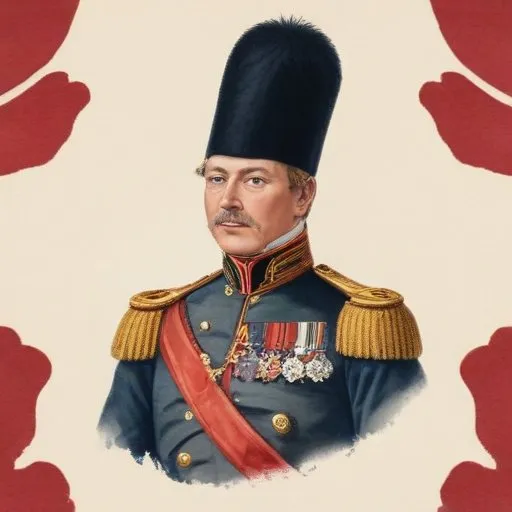
Ernest I, Duke of Saxe-Gotha: The Pious Reformer
A Golden Era of Reform and Progress
Ernest I, Duke of Saxe-Gotha, also known as Ernest the Pious, was a visionary leader who brought unprecedented prosperity and stability to his duchies in the 17th century. He is renowned for his wise governance, judicial reforms, and cultural advancements, which earned him a reputation as one of the most enlightened rulers of his time.
Early Life and Education
Born on December 25, 1601, Ernest was the ninth but sixth surviving son of Johann II, Duke of Saxe-Weimar, and Dorothea Maria of Anhalt. Orphaned at a young age, he was raised in a strict and pious environment, which instilled in him a strong sense of morality and duty. Despite his physical frailty, Ernest demonstrated exceptional intellectual abilities and a keen interest in governance, which would serve him well in his future role as duke.
Rise to Power and Reforms
After the partition treaty with his brothers in 1640, Ernest received the duchy of Gotha, which he ruled wisely and justly. He implemented a range of reforms aimed at promoting public security, reducing debt, and stimulating economic growth. His governance style was characterized by:
- Wise economy: Ernest reduced taxation and freed his land from debt, leaving a considerable sum in the treasury at the time of his death.
- Incorruptible judiciary: He introduced an efficient and fair judicial system, which served as a model for other states.
- Prohibition of torture: Ernest banned the use of torture, marking a significant step towards human rights.
- Regulations on dueling: He prohibited dueling and imposed the death penalty for mortal results, promoting a culture of peace and respect for human life.
Cultural and Educational Achievements
Ernest was a patron of the arts and education, and his reign saw a flourishing of cultural and intellectual activity. Notable achievements include:
- Rebuilding of Friedenstein Palace: Ernest rebuilt the palace in Gotha, which became a center of learning and culture.
- Establishment of the library: The library at Friedenstein Palace became one of the largest in Germany, thanks to Ernest's efforts.
- Schulmethodus of 1642: Ernest's educational reforms earned him the reputation as the "father of the school," promoting learning and intellectual inquiry.
Legacy and Impact
Ernest I, Duke of Saxe-Gotha, left an indelible mark on European history. His reforms and achievements continue to inspire generations, and his legacy is a testament to the power of wise governance and visionary leadership. His story serves as a reminder that even in the darkest of times, there are individuals who can bring hope, progress, and prosperity to their people.
Quotes and Memorable Sayings
"I am not a master of my people, but a servant of the land and its people." - Ernest I, Duke of Saxe-Gotha
FAQ
What were the military campaigns of Ernest I, Duke of Saxe-Gotha?
Ernest I, Duke of Saxe-Gotha, was a military leader who fought in the Thirty Years War, playing a key role in several important battles, including the Battle of Wittstock and the Battle of Breitenfeld.
What were Ernest Is contributions to the development of Saxe-Gotha?
Ernest I, Duke of Saxe-Gotha, played a crucial role in the development of his duchy, promoting education, culture, and trade. He founded the University of Gotha and encouraged the growth of the city.
What was Ernest Is relationship with his family?
Ernest I, Duke of Saxe-Gotha, came from a prominent German noble family and had several children with his wife, Elisabeth Sophie of Saxe-Altenburg.
What were Ernest Is achievements in governance?
Ernest I, Duke of Saxe-Gotha, was a skilled administrator who implemented important reforms in his duchy, including the creation of a new system of government and the promotion of trade and commerce.
How is Ernest I remembered in history?
Ernest I, Duke of Saxe-Gotha, is remembered as a capable and innovative leader who played a significant role in shaping the history of his duchy.