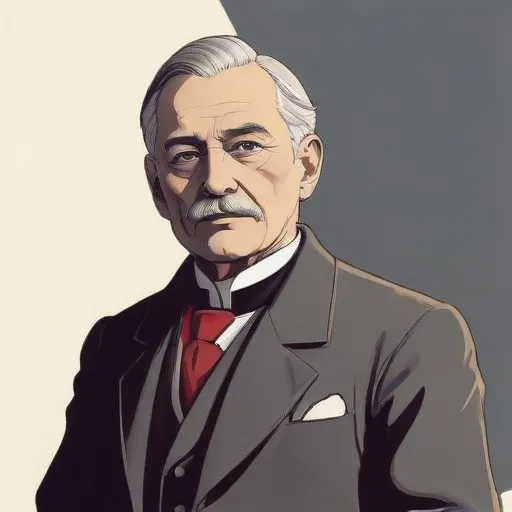
Unveiling the Life and Legacy of Ernst Heinrich Karl von Dechen: A Pioneering Geologist
ALifetime of Contributions to Geology
Ernst Heinrich Karl von Dechen was a renowned German geologist, born on March 25, 1800, in Berlin, who left an indelible mark on the field of geology. He is best known for his extensive research and publications on the geology of Rhenish Prussia and Westphalia, which contributed significantly to the understanding of the region's coal formations and mining systems.
Education and Early Career
Von Dechen received his education at the University of Berlin, where he developed a passion for geology. He further honed his skills by studying mining in Bochum and Essen, which laid the foundation for his future endeavors. In 1820, he joined the mining department of the Prussian state, where he served for over four decades until 1864.
Academic Pursuits and Travels
Von Dechen's academic pursuits took him to the University of Berlin, where he became a professor from 1834 to 1841. During this period, he embarked on journeys to study the mining systems of other countries, including England and Scotland, in the company of Karl von Oeynhausen. These travels broadened his understanding of geology and helped him develop a more comprehensive perspective on the field.
Publishing Contributions and Legacy
Von Dechen's most notable contributions to geological literature include:
- Geognostische Umrisse der Rheinlnder zwischen Basel und Mainz mit besonderer Rcksicht auf das Vorkommen des Steinsalzes (1825)
- Geognostische Fhrer in das Siebengebirge am Rhein (1861)
- Die nutzbaren Mineralien und Gebirgsarten im deutschen Reiche (1873)
His magnum opus, a geological map of Rhenish Prussia and Westphalia in 35 sheets on a scale of 1:80,000, was published between 1855 and 1882. This work showcased his expertise and dedication to the field, earning him widespread recognition.
Tributes and Recognition
Von Dechen's contributions to geology have been acknowledged and honored in various ways:
- The mineral Dechenite was named after him in 1850 by Carl Wilhelm Sigismund Bergemann.
- The mineral Vondechenite was named in his honor in 2016.
Personal Life and Milestones
Von Dechen spent the later years of his life in Bonn, where he passed away on February 15, 1889. Throughout his life, he remained committed to his work, leaving behind a rich legacy in the field of geology.
Ernst Heinrich Karl von Dechen's life and work serve as a testament to the power of dedication, perseverance, and passion. His contributions to geology continue to inspire future generations of scientists and researchers, cementing his place as one of the most significant figures in the history of geology.
FAQ
What was Ernst Heinrich Karl von Dechens role in the development of geology?
Ernst Heinrich Karl von Dechen was a German geologist and academic who played a significant role in the development of geology. He was one of the first geologists to study the Earths crust and develop a comprehensive theory of geological formation.
What was Ernst Heinrich Karl von Dechens most notable discovery?
Ernst Heinrich Karl von Dechens most notable discovery was his identification of the geological formation of the Rhine River valley. His research helped to establish the Rhine as a major geological feature of Europe.
How did Ernst Heinrich Karl von Dechens work influence the development of geology?
Ernst Heinrich Karl von Dechens work had a profound influence on the development of geology. His theories and discoveries helped to shape the field and pave the way for future research.
What was Ernst Heinrich Karl von Dechens relationship with the University of Berlin?
Ernst Heinrich Karl von Dechen had a close relationship with the University of Berlin, where he taught and conducted research. The university supported his work and provided him with access to valuable resources.
Is Ernst Heinrich Karl von Dechens work still studied today?
Yes, Ernst Heinrich Karl von Dechens work is still studied today by geologists and scholars. His theories and discoveries remain an important foundation for modern geology.