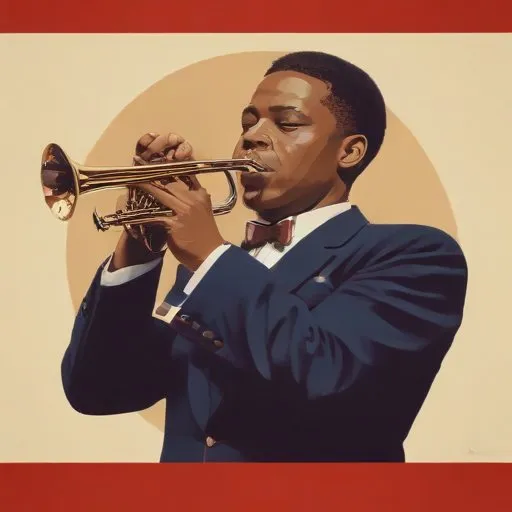
Erskine Hawkins

Erskine Hawkins

Erskine Hawkins was born on July 26th, 1914

Full Name: Erskine Ramsay Hawkins
Nationality: American
Occupation: Trumpet Player and Bandleader
Place of Birth: Birmingham, Alabama
Genre: Jazz and Swing
Notable Songs: Tuxedo Junction
Influences: Duke Ellington
Awards: Alabama Jazz Hall of Fame

A renowned trumpet player and bandleader of the swing era, leading his own orchestra, "The 'Bama State Collegians," and scoring a massive hit with "Tuxedo Junction."

Written by: Aisha Patel Aisha Patel

Erskine Hawkins: The Trumpeter Who Led the Charge in Big Band Jazz

The Mastermind Behind "Tuxedo Junction"

Erskine Hawkins, dubbed "The 20th Century Gabriel," was an American trumpeter and big band leader who left an indelible mark on the jazz scene. He is best remembered for composing the jazz standard "Tuxedo Junction" in 1939, a song that became a hit during World War II, rising to No. 7 nationally with his orchestra and to No. 1 nationally with the Glenn Miller Orchestra.

A Humble Beginning in Birmingham, Alabama

Born on July 26, 1914, in Birmingham, Alabama, Hawkins was named after Alabama industrialist Erskine Ramsay, who rewarded his parents with savings accounts for doing so. He attended Councill Elementary School and Industrial High School (now known as Parker High School), where he developed a passion for music under the guidance of Fess Whatley, a teacher who taught many African American musicians who went on to work with legendary musicians such as Duke Ellington, Lucky Millinder, and Louis Armstrong.

Rise to Fame with the Bama State Collegians

During the period of 1936-1938, Hawkins recorded for Vocalion Records as Erskine Hawkins and his Bama State Collegians. He then signed with RCA Victor and began recording on their Bluebird label as Erskine Hawkins and His Orchestra. His orchestra became one of the house bands at the famous Savoy Ballroom, alternating with the Chick Webb band and often using "Tuxedo Junction" as their signoff song before the next band would take the stage.

Battles of the Bands and Legacy

Hawkins engaged in "battles of the bands" with prominent bandleaders such as Glenn Miller, Duke Ellington, and Lionel Hampton, further cementing his reputation in the jazz world. His orchestra also included notable vocalists such as Ida James, Delores Brown, and Della Reese.

Awards and Honors

Hawkins' contributions to jazz have been recognized with numerous awards and honors. He was posthumously inducted into the Alabama Jazz Hall of Fame in 1994 and the Alabama Music Hall of Fame in 1999.

Personal Life and Legacy

Erskine Hawkins passed away on November 11, 1993, leaving behind a legacy that continues to inspire new generations of jazz musicians and enthusiasts. His music remains a testament to his innovative spirit and his ability to bring people together through the power of jazz.

Erskine Hawkins' life and legacy serve as a reminder of the power of music to bring people together and transcend boundaries. His contributions to jazz continue to inspire and delight audiences to this day.

Timeline
1914
Born in Birmingham
Erskine Hawkins was born on July 26, 1914, in Birmingham, Alabama. He would go on to become a renowned trumpet player and bandleader.
1934
Formed Bama State Collegians
Hawkins formed the Bama State Collegians in 1934, a jazz band composed of students from Alabama State University.
1936
Recorded First Single
In 1936, Hawkins recorded his first single, Tuxedo Junction, which became a huge success and launched his career.
1940
Toured with Orchestra
Hawkins toured with his orchestra in 1940, performing across the United States and earning critical acclaim.
1993
Died at 79
Erskine Hawkins passed away on November 11, 1993, at the age of 79. His contributions to jazz music are still celebrated today.
Erskine Hawkins

Erskine Hawkins Quiz

What instrument did Erskine Hawkins play?

Score: 0/5
FAQ
What is Erskine Hawkins known for in jazz history?
Erskine Hawkins is known for his influential trumpet playing and leadership of the Tuxedo Junction orchestra, which helped define the swing jazz era of the 1930s and 1940s.
What was Erskine Hawkins most famous song?
Erskine Hawkins most famous song is Tuxedo Junction, which became a massive hit in 1939 and remained a jazz standard for decades.
Who did Erskine Hawkins influence in jazz?
Erskine Hawkins playing style and orchestra leadership influenced many notable jazz musicians, including Dizzy Gillespie, Miles Davis, and Fats Navarro.
What was Erskine Hawkins role in the development of bebop?
Erskine Hawkins played a significant role in the development of bebop, as his orchestra was one of the first to incorporate bebop elements into their music.
Where did Erskine Hawkins get his musical education?
Erskine Hawkins received his musical education at the Alabama State Teachers College, where he studied music theory and trumpet playing.

Related People:

Duke Ellington

Born in 1899

A legendary jazz pianist, composer, and bandleader who revolutionized the genre with his unique style and iconic compositions, such as "Take the A Train" and "Mood Indigo".

Count Basie

Born in 1904

A legendary jazz pianist and bandleader who led a iconic orchestra, blending swing and blues to create a unique sound that influenced generations of musicians. Known for his distinctive "less-is-more" style and hits like "April in Paris" and "One O'Clock Jump".

Benny Goodman

Born in 1909

A virtuosic clarinetist and bandleader, known as the "King of Swing," who revolutionized jazz music with his energetic and sophisticated style, leading a racially integrated orchestra in the 1930s.

Artie Shaw

Born in 1910

A virtuosic clarinetist and innovative bandleader, he revolutionized the swing era with his unique sound and iconic hits like "Begin the Beguine" and "Stardust".

Glenn Miller

Born in 1904

A legendary trombonist, composer, and bandleader who led one of the most popular big bands of the 1930s and 1940s, creating iconic hits like "In the Mood" and "Moonlight Serenade".

Cab Calloway

Born in 1907

A charismatic jazz singer and bandleader who led the Orchestra at the Cotton Club, known for energetic stage performances and hits like "Minnie the Moocher" and "Reefer Man".

Fletcher Henderson

Born in 1897

A pioneering figure in early jazz, leading a renowned orchestra and composing innovative arrangements that influenced generations of musicians.

Chick Webb

Born in 1905

A pioneering jazz drummer and bandleader who led one of the most popular and influential big bands of the 1930s, known for their dynamic performances and innovative arrangements.