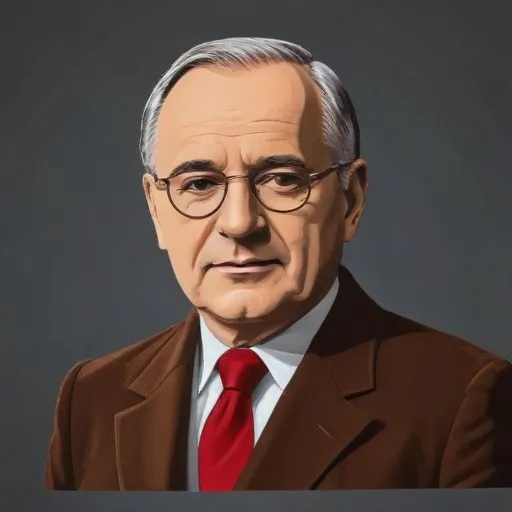
Erwin Panofsky: The Pioneering Art Historian
A Giant in the Field of Iconography
Erwin Panofsky is renowned for his groundbreaking work in the field of art history, particularly in the area of iconography. His seminal book,
Renaissance and Renascences in Western Art, is considered a masterpiece in the field, and his influence extends far beyond the realm of art history to intellectual history in general.
Early Life and Education
Born on March 30, 1892, in Hannover, Germany, Panofsky came from a wealthy Jewish Silesian mining family. He grew up in Berlin, where he received his Abitur in 1910 at the Joachimsthalsches Gymnasium. Panofsky pursued higher education in Freiburg, Munich, and Berlin, studying law, philosophy, philology, and art history. It was during this time that he was deeply influenced by the art historian Margarete Bieber and the founder of the art history department, Wilhelm Vge.
Academic Career and Influential Works
Panofsky wrote his dissertation in 1914 on Albrecht Drer's artistic theory, which was published the following year in Berlin. Due to a horseriding accident, he was exempted from military service during World War I, allowing him to attend the seminars of the medievalist Adolph Goldschmidt in Berlin. In 1920, he completed his Habilitationsschrift, titled
Die Gestaltungsprinzipien Michelangelos, which further solidified his reputation in the field.
Some of Panofsky's most influential works include:
- Studies in Iconology (1939)
- Humanist Themes in the Art of the Renaissance (1939)
- Meaning in the Visual Arts (1955)
- The Life and Art of Albrecht Drer (1943)
- Early Netherlandish Painting
These works not only showcased Panofsky's exceptional scholarship but also demonstrated his ability to apply historical ideas to interpret artworks and vice versa.
Influence on Modern Society and Intellectual History
Panofsky's ideas have had a profound impact on intellectual history, extending beyond the realm of art history to influence fields such as philosophy, history, and literature. His work has inspired generations of scholars, and his books remain widely read and studied today.
Personal Milestones and Key Life Events
In 1933, Panofsky fled Nazi Germany and settled in the United States, where he would spend the remainder of his academic career. He taught at New York University's Institute of Fine Arts and later at Princeton University, where he became a professor emeritus in 1962.
Legacy and Impact on the Field
Erwin Panofsky's legacy is a testament to his tireless efforts to advance the field of art history. He passed away on March 14, 1968, in Princeton, New Jersey, leaving behind a body of work that continues to inspire and educate scholars to this day. His influence on the field of iconography remains unparalleled, and his work continues to shape our understanding of art and its significance in human culture.
FAQ
What are the contributions of Erwin Panofsky to art history?
Erwin Panofsky made significant contributions to art history through his work on iconology, the study of symbols and themes in art. He is known for his books Studies in Iconology and Early Netherlandish Painting. His work has had a lasting impact on the field of art history.
What is Erwin Panofskys theory of iconology?
Erwin Panofskys theory of iconology is a methodology for understanding the meaning of artworks. He believed that artworks contain a layers of meaning, including the natural subject matter, the conventional symbolism, and the intrinsic meaning. He applied this theory to his studies of Renaissance and Northern European art.
What was Erwin Panofskys role in the Institute for Advanced Study?
Erwin Panofsky was a member of the Institute for Advanced Study in Princeton, New Jersey. He was part of a community of scholars that included Albert Einstein and John von Neumann. During his time at the institute, he continued to write and research, producing several influential books.
How did Erwin Panofskys German background influence his work?
Erwin Panofskys German background had a significant impact on his work. He was trained in the German tradition of art historical scholarship, which emphasized the importance of primary sources and meticulous research. His experiences in Germany also influenced his views on the role of art in society and the importance of cultural heritage.
What is Erwin Panofskys legacy in art history?
Erwin Panofskys legacy in art history is profound. He is considered one of the founders of modern art history, and his work has influenced generations of scholars. His theories on iconology and his emphasis on the importance of understanding the cultural context of artworks have shaped the field of art history.