


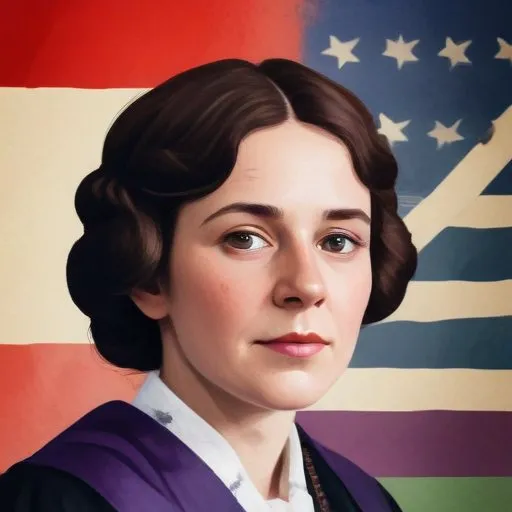
A pioneering figure in the women's suffrage movement, she played a crucial role in securing voting rights for women in Wyoming and later became the first female judge in the United States.
Esther Hobart Morris is famously known as the first woman justice of the peace in the United States, a groundbreaking achievement that paved the way for women's participation in the legal system. Appointed on February 14, 1870, in South Pass City, Wyoming, Morris served nearly nine months, leaving an indelible mark on American history.
Born on August 8, 1814, in Spencer, Tioga County, New York, Esther Hobart McQuigg grew up in a large family. After her mother's passing at the age of fourteen, she continued to live with her father, grandmother, and siblings until she was twenty-one. She then moved to Owego, where she established a successful millinery business.
Morris married Artemus Slack, an engineer, in 1841, but was widowed two years later. She married John Morris in 1846, and the couple settled in Peru, Illinois, where she gave birth to three sons, John, Robert, and Edward. The family eventually moved to South Pass City, Dakota Territory (soon to become Wyoming Territory), where her husband and son Archibald (Archy) worked in the mining industry.
Morris's appointment as justice of the peace came about when the previous justice, R. S. Barr, resigned in protest of Wyoming Territory's passage of the women's suffrage amendment in December 1869. The Sweetwater County Board of County Commissioners saw fit to appoint Morris, recognizing her strength and character.
Although popular accounts attribute the passage of the suffrage amendment to Morris's leadership, she herself gave credit to William H. Bright, a member of the territorial legislature from South Pass City and President of the Territorial Council. Morris's humility and dedication to the cause of women's rights are a testament to her remarkable spirit.
Esther Hobart Morris's trailblazing achievement paved the way for women to participate in the legal system and fight for their rights. Her legacy extends far beyond her tenure as justice of the peace, inspiring generations of women to take an active role in shaping their communities.
Today, Morris is remembered as a pioneer in the fight for women's suffrage, and her name is etched in the annals of American history. Her courage, conviction, and dedication to the cause of equality continue to inspire and empower women across the nation.
Esther Hobart Morris's life was marked by resilience, determination, and a steadfast commitment to fighting for women's rights. Her remarkable achievements continue to inspire and empower women, serving as a beacon of hope for generations to come.
Born in 1815
Pioneering women's rights activist who led the women's suffrage movement, fighting for women's right to vote and own property.
Born in 1820
Pioneering figure in the women's suffrage movement, fighting for women's right to vote and own property. Her tireless efforts led to significant advancements in women's rights.
Born in 1885
A pioneering figure in the women's suffrage movement, fighting for equal rights and voting privileges through nonviolent protests and strategic lobbying. Her legacy continues to inspire feminist activism today.
Born in 1859
Founded the League of Women Voters and International Alliance of Women, a pioneering figure in the women's suffrage movement, fighting for women's right to vote and equality.
Born in 1793
A pioneering Quaker minister and women's rights activist who fought for abolition and women's suffrage, playing a key role in the Seneca Falls Convention.
Born in 1826
A pioneering suffragist and writer who fought for women's rights and abolition, penning influential works that helped shape the women's liberation movement.
