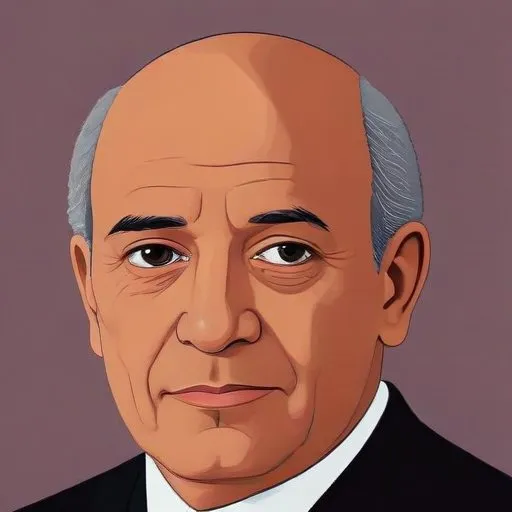
Eugenio Mara de Hostos: The Visionary of Puerto Rican Independence
A Champion of Liberty and Knowledge
Eugenio Mara de Hostos is renowned as "El Gran Ciudadano de las Américas" (The Great Citizen of the Americas) for his tireless efforts to advocate for Puerto Rican independence and his contributions to education, philosophy, and literature. As a polymath, he excelled as an educator, philosopher, intellectual, lawyer, sociologist, novelist, and advocate, leaving an indelible mark on the history of Puerto Rico and the Americas.
Early Life and Education
Born on January 11, 1839, in Barrio Ro Caas, Mayagüez, Puerto Rico, Hostos was raised in a well-to-do family of Spanish descent. His parents, Eugenio Mara de Hostos y Rodríguez and María Hilaria de Bonilla y Cintrón, recognized his intellectual prowess and sent him to study in San Juan, where he received his elementary education at the Liceo de San Juan. He later pursued higher education in Bilbao, Spain, graduating from the Institute of Secondary Education in 1852. At the Complutense University of Madrid, he delved into law, philosophy, and letters, becoming increasingly interested in politics.
The Quest for Independence
Hostos's patriotic fervor was ignited when Spain adopted a new constitution in 1869, denying Puerto Rico its independence. He left Spain for the United States, where he joined the Cuban Revolutionary Committee and became the editor of the journal
La Revolución. He fervently believed in the creation of an Antillian Confederation, a union between Puerto Rico, the Dominican Republic, and Cuba, to secure their collective independence from Spain. This vision was shared by fellow Puerto Rican patriots
Ramón Emeterio Betances and Segundo Ruiz Belvis.
A Life of Intellectual Pursuits
Throughout his life, Hostos wrote extensively on various subjects, including education, philosophy, and literature. His magnum opus,
La Peregrinación de Bayoán, published in 1863, is considered one of his most significant works. His intellectual contributions to the fields of sociology and philosophy were groundbreaking, influencing generations of scholars and thinkers.
Philosophical Contributions and Beliefs
Hostos's philosophical ideas were deeply rooted in the concept of liberty and the pursuit of knowledge. He believed that education was the cornerstone of social progress and that individuals had a fundamental right to self-determination. His philosophical contributions continue to inspire social reformers, educators, and independence advocates to this day.
Legacy and Impact
Eugenio Mara de Hostos's tireless efforts to promote Puerto Rican independence, education, and social reform have left an enduring legacy. His vision for an Antillian Confederation continues to inspire pan-Caribbean solidarity and cooperation. As "El Gran Ciudadano de las Américas," he serves as a beacon of hope and a symbol of resistance against colonialism and oppression.
Quotes and Memorable Sayings
- "La educación es la base de la libertad y el progreso social."
- "La patria es la tierra y la libertad es la vida."
Personal Milestones and Key Life Events
- 1839: Born in Mayagüez, Puerto Rico
- 1852: Graduated from the Institute of Secondary Education in Bilbao, Spain
- 1857: Enrolled at the Complutense University of Madrid
- 1863: Published La Peregrinación de Bayoán
- 1869: Left Spain for the United States
- 1903: Passed away on August 11, leaving behind a legacy of intellectual and patriotic achievements
Historical Context and Legacy
Eugenio Mara de Hostos lived during a tumultuous period in Puerto Rico's history, marked by colonialism, economic instability, and social unrest. Despite these challenges, he remained steadfast in his pursuit of independence and social reform, inspiring generations to come. His legacy continues to shape Puerto Rican identity, culture, and politics, cementing his status as one of the most influential figures in Puerto Rican history.
FAQ
What were Eugenio María de Hostos key contributions to Puerto Rican thought?
Eugenio María de Hostos was a pioneering thinker, making significant contributions to Puerto Rican philosophy, politics, and education. He advocated for autonomy, social justice, and womens rights, shaping the islands intellectual and cultural landscape.
How did Eugenio María de Hostos philosophy influence Puerto Rican independence?
Eugenio María de Hostos philosophy emphasized the importance of autonomy, self-determination, and human rights. His ideas inspired later generations of Puerto Rican independence activists, contributing to the islands ongoing struggle for self-governance.
What was Eugenio María de Hostos role in promoting education in Puerto Rico?
Eugenio María de Hostos was a strong advocate for education, recognizing its power to transform society. He founded numerous schools and educational institutions, promoting access to education for women, the working class, and marginalized communities.
How did Eugenio María de Hostos sociological work impact Puerto Rican society?
Eugenio María de Hostos sociological studies examined the social and economic realities of Puerto Rico, highlighting issues such as poverty, inequality, and colonialism. His work informed policy and social reform, driving change and progress in the islands development.
What is Eugenio María de Hostos legacy in modern Puerto Rico?
Eugenio María de Hostos legacy continues to inspire Puerto Ricans today, with his philosophy, educational efforts, and advocacy for social justice remaining relevant to the islands ongoing struggles and aspirations.