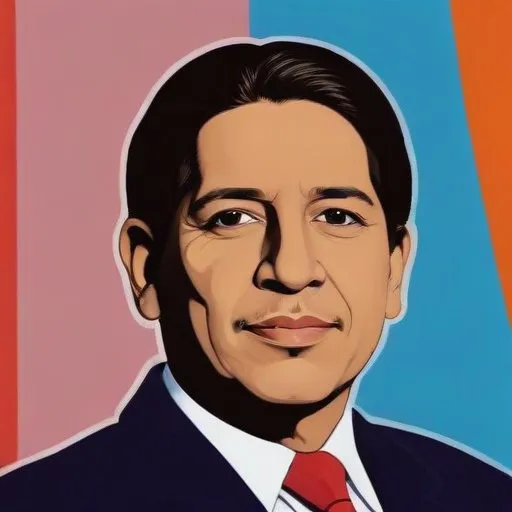
Luis Muoz Marn: The Architect of Puerto Rico's Commonwealth
A Life of Politics and Reform
Luis Muoz Marn is remembered as the first democratically elected governor of Puerto Rico, instrumental in shaping the island's economic, political, and social landscape. As the architect of the Puerto Rico Commonwealth, Muoz Marn's administration engineered profound reforms that garnered international recognition and acclaim.
Early Life and Education
Born on February 18, 1898, in Old San Juan, Puerto Rico, Muoz Marn was the son of Luis Muoz Rivera, a poet, publisher, and politician, and Amalia Marn Castilla. His father's influence played a significant role in shaping Muoz Marn's future in politics. Muoz Rivera was a key figure in the fight for Puerto Rican autonomy, presenting a proposal to the Spanish government, which was eventually accepted. This exposure to politics from a young age instilled in Muoz Marn a passion for public service.
Rise to Prominence
Muoz Marn's political career began in the 1920s, when he joined the Union Party, founded by his father. He quickly rose through the ranks, becoming a key player in the party's leadership. In 1948, Muoz Marn made history by becoming the first democratically elected governor of Puerto Rico, a position he held until 1964. During his tenure, he implemented numerous reforms, including the establishment of the Puerto Rico Industrial Development Company, which attracted foreign investment and stimulated economic growth.
Reforms and Legacy
Muoz Marn's administration was marked by significant achievements, including:
- Land reform: Muoz Marn introduced laws to redistribute land, benefiting thousands of farmers and reducing the power of large landowners.
- Economic development: He promoted industrialization, tourism, and infrastructure projects, transforming Puerto Rico's economy.
- Social reform: Muoz Marn implemented programs to improve education, healthcare, and labor rights, significantly enhancing the quality of life for Puerto Ricans.
Controversies and Criticisms
Muoz Marn's governance was not without controversy. He was instrumental in suppressing the Nationalist Party, which sought independence for Puerto Rico. This move was widely criticized, and his actions were seen as supporting the colonial status quo. Additionally, his administration was marked by authoritarian tendencies, with critics accusing him of limiting civil liberties and suppressing dissent.
Lifetime Achievements and Honors
Throughout his life, Muoz Marn received numerous awards and honors for his contributions to Puerto Rican politics and society. Some notable recognitions include:
- The Presidential Medal of Freedom, awarded by President Lyndon B. Johnson in 1964.
- The Grand Cross of the Order of Isabella the Catholic, conferred by the Spanish government.
- The honorary degree of Doctor of Laws from Yale University.
Legacy and Impact
Luis Muoz Marn's legacy is complex and multifaceted. While his reforms and achievements had a profound impact on Puerto Rico's development, his role in suppressing the Nationalist Party and his authoritarian tendencies have been subject to criticism. Nevertheless, his influence on Puerto Rican politics and society is undeniable, and he remains an important figure in the island's history.
FAQ
What was Luis Muñoz Maríns role in Puerto Ricos history?
Luis Muñoz Marín played a crucial role in Puerto Ricos history as the first Governor of the Commonwealth of Puerto Rico, serving from 1949 to 1965. He was a key figure in the islands transition from a US territory to a commonwealth.
What were Luis Muñoz Maríns contributions to Puerto Rican literature?
Luis Muñoz Marín was a renowned poet and writer, known for his works that reflected the struggles and triumphs of the Puerto Rican people. He was also a strong advocate for education and cultural development in Puerto Rico.
How did Luis Muñoz Maríns governorship impact Puerto Ricos economy?
During his governorship, Muñoz Marín implemented various economic reforms, including the development of industrialization programs, which led to significant economic growth and improvement in the standard of living for Puerto Ricans.
What was Luis Muñoz Maríns stance on Puerto Rican independence?
Luis Muñoz Marín was a strong advocate for Puerto Ricos commonwealth status, believing it provided the island with a balance of autonomy and association with the United States. While he respected the independence movement, he did not support independence for Puerto Rico.
What legacy did Luis Muñoz Marín leave behind?
Luis Muñoz Maríns legacy is one of selfless dedication to the people of Puerto Rico. He is remembered as a champion of education, economic development, and cultural preservation, and his contributions continue to inspire future generations of Puerto Ricans.