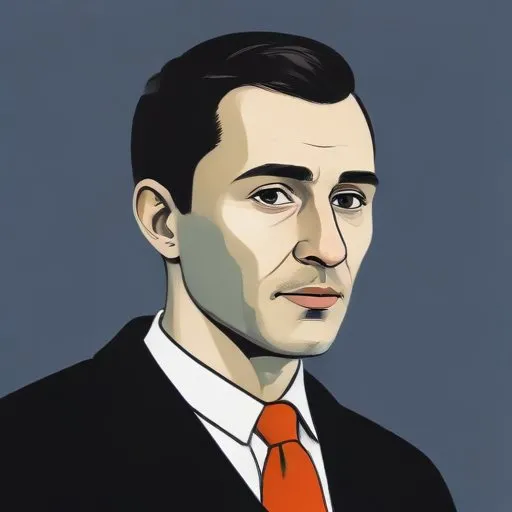
Evald Okas: The Estonian Painter Who Defied Soviet Realism
A Master of Portraits and Nudes
Evald Okas is renowned for his captivating portraits of nudes, a style that earned him recognition in the midst of Soviet occupation. Born on November 28, 1915, in Tallinn, Estonia, Okas' artistic career blossomed amidst the turmoil of World War II.
War and Artistic Rebellion
As the Soviet army invaded Estonia, Okas was mobilized into the Soviet army, only to be sent to work battalions in Kotlas, Russia. However, in 1942, he seized the opportunity to join the artistic ensembles in Yaroslavl, where he befriended prominent Estonian artists Aino Bach and Richard Sagrits. This connection played a significant role in honing his skills as an artist.
The Socialist Realism Dilemma
During the Soviet era, artists were expected to conform to the socialist realism genre. Okas, like many others, was forced to comply. One notable example is his work on the ceiling of the Estonian National Opera in 1947, which he painted alongside Elmar Kits and Richard Sagrits in the socialist realism style.
A Shift in Medium and Style
By the late 1950s, Okas had transitioned to charcoal as his primary medium. He earned a living by creating ex libris, graphic designs that identify the owner of a book. This departure from socialist realism marked a significant shift in his artistic style and paved the way for his future success.
Awards and Recognition
Okas' talent and perseverance earned him numerous honors. He became a professor at the Estonian State Art Institute in 1954, a corresponding member of the Academy of Arts of the Soviet Union in 1962, and a full member of the academy in 1975.
Personal Life and Legacy
Evald Okas remained a member of the Estonian Artists Association and lived in Tallinn until his passing on April 30, 2011. His son, Jüri Okas, followed in his footsteps, becoming an architect, installation artist, and printmaker.
Influence and Impact
Okas' defiance of Soviet realism and his exploration of charcoal as a medium left an indelible mark on the Estonian art scene. His body of work continues to inspire generations of artists, and his legacy serves as a testament to the power of artistic rebellion in the face of adversity.
Key Works and Exhibitions
- Ceiling of the Estonian National Opera (1947)
- Ex libris designs (late 1950s)
- Charcoal portraits and nudes (late 1950s-1960s)
Philosophical Contributions and Beliefs
Okas' artistic journey was marked by his determination to stay true to his vision, despite the constraints of the Soviet regime. His work embodies the spirit of rebellion and the importance of artistic freedom.
FAQ
What style of painting did Evald Okas practice?
Evald Okas was a prominent Estonian painter known for his work in the Realist and Impressionist styles. His landscapes and portraits are highly regarded for their attention to detail and emotional depth.
What inspired Evald Okas artistic style?
Evald Okas artistic style was influenced by his Estonian heritage and the natural beauty of his homeland. He was also inspired by the works of European masters, such as the French Impressionists.
What role did Evald Okas play in Estonian art education?
Evald Okas was a dedicated educator who taught at the Pallas Art School in Tartu, Estonia. He played a significant role in shaping the countrys art education system and nurturing the talents of future generations.
What are some notable works by Evald Okas?
Evald Okas created many notable works, including Landscape with a River and Portrait of a Woman. His paintings are held in high esteem by art critics and enthusiasts alike.
How did Evald Okas contribute to Estonian cultural heritage?
Evald Okas made significant contributions to Estonian cultural heritage through his art and education. He helped to promote Estonian art and culture, both domestically and internationally.