


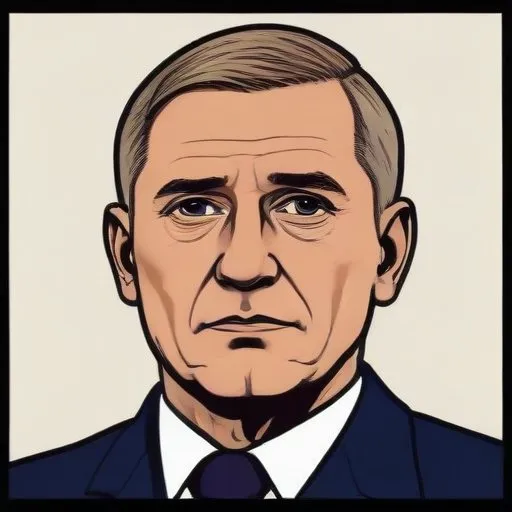
Led Estonia's government-in-exile during World War II, ensuring the country's sovereignty and paving the way for its eventual independence. He played a crucial role in maintaining Estonia's international recognition.
Tnis Kint, an Estonian politician, served as the Prime Minister in duties of the President, in other words, the Estonian head of state in exile from 1970 to 1990. This esteemed position cemented his status as a prominent figure in Estonian politics.
Kint was born on August 17, 1896 (O.S. August 5), and his educational pursuits took him to the High School of Sciences in Tartu, followed by the Riga Polytechnical School, where he studied building department. The Baltic Technical University in Riga, established by the German occupation administration, was his next academic stop. He furthered his education at Tartu University's agricultural department, interspersed with stints at the Copenhagen Agricultural and Veterinary University.
In 1916, Kint was mobilized to the Russian Army, where he finished military school in Tsaritsyn (present-day Volgograd, Russia). During World War I, he served in an infantry regiment of the Russian Army. In 1918, he joined the newly formed Estonian regiment at Viljandi, fighting in the Estonian War of Independence from 1918 to 1920. As Commander of the machine-gun commandos on the broad-tracked armor train No. 2, he rose to the rank of Lieutenant and acting commander of the train.
After the war, Kint held various positions, including Head of the Agricultural Bookkeeping Department (1928-1932) and Assistant and managing director of the department (1932-1938). He then served as Director of the Chamber of Agriculture from 1938 to 1940. In 1940, he ran as a candidate in the Riigivolikogu elections, one of the countercandidates of the Estonian Working People's Union.
Tnis Kint's dedication to Estonian politics and his country's development has left an indelible mark on the nation's history. His unwavering commitment to his people, particularly during his tenure as Prime Minister in duties of the President, has earned him a special place in the hearts of Estonians.
Tnis Kint's remarkable journey serves as an inspiration to those who aspire to make a difference in the world of politics and beyond. His steadfast dedication to his country and people has created a lasting legacy, ensuring his place in the annals of Estonian history.
Born in 1890
A prominent Estonian leader who served as the country's Prime Minister during a tumultuous period, guiding Estonia through World War II and the Soviet occupation. He's revered for his bravery and statesmanship during Estonia's struggle for independence.
Born in 1889
Estonia's first Prime Minister after declaring independence from Russia, leading the country through its early years of statehood. He played a crucial role in shaping Estonia's government and constitution.
Born in 1884
A prominent military leader who played a crucial role in Estonia's struggle for independence, leading the country's armed forces to victory in the Estonian War of Independence.
Born in 1874
Estonia's first president, a key figure in the country's struggle for independence from Russia, served as a unifying force during tumultuous times. He's remembered for his role in shaping Estonia's early years and its path to sovereignty.
Born in 1884
Estonia's 7th Prime Minister, a lawyer and politician who played a crucial role in shaping the country's early years of independence, known for his diplomatic efforts and national unification.
Born in 1888
Estonian journalist and politician who served as the 6th Prime Minister of Estonia, known for his leadership during the country's interwar period and his role in shaping the nation's early years of independence.
Born in 1872
Estonia's 7th State Elder, a prominent lawyer and politician, played a crucial role in shaping the country's early 20th-century government and politics. He's most known for his efforts in establishing Estonia's independence and sovereignty.
Born in 1903
Estonian poet and author known for his unique blend of surrealism and folk elements, exploring themes of identity, nature, and human existence. His works are characterized by vivid imagery and lyrical language.
