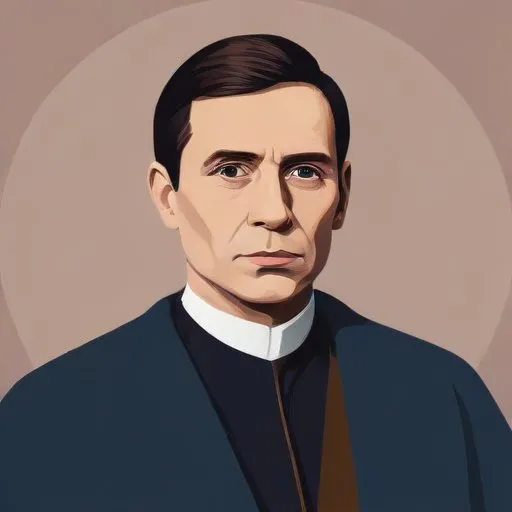
Konstantin Pts: The Unyielding Statesman and Guardian of Estonian Independence
A Leader of Unwavering Conviction
Konstantin Pts is renowned as the president of Estonia from 1938 to 1940, and one of the most influential politicians of the independent democratic Republic of Estonia. During the two decades prior to World War II, he also served five times as the country's prime minister, leaving an indelible mark on the nation's history.
A Politician of Courage and Conviction
Pts was one of the first Estonians to become active in politics, and his nearly four-decade-long political rivalry with Jaan Tnisson was fueled by his unyielding passion for Estonian independence. Despite being sentenced to death in absentia during the Russian Revolution of 1905, Pts fled abroad, continuing his literary work in Switzerland and Finland. Upon his return to Estonia, then part of the Russian Empire, he served a prison sentence in 1910-1911.
A Champion of Estonian Autonomy
After the February Revolution in 1917, Pts headed the provincial government of the newly formed Autonomous Governorate of Estonia, which was forced to go underground after the Bolshevik coup in November 1917. On February 19, 1918, Pts became one of the three members of the Estonian Salvation Committee that issued the Estonian Declaration of Independence on February 24, 1918.
A Leader in Turbulent Times
Pts headed the Estonian Provisional Government from 1918 to 1919, despite being imprisoned by the German occupation regime for several months in 1918. During this period, he also served as Minister of Internal Affairs and Minister of War, tasked with organizing the Estonian military in the War of Independence against the Soviet Russian invasion.
A Lasting Legacy
Throughout his political career, Pts remained steadfast in his commitment to Estonian independence and democracy. His unwavering conviction and leadership during the country's most turbulent times have earned him a revered place in Estonian history. Despite being forced to resign and imprisoned by the Soviet regime in 1940, Pts' legacy continues to inspire future generations of Estonians.
Key Life Events and Milestones
- February 11, 1874: Born in Estonia
- 1905: Sentenced to death in absentia during the Russian Revolution
- 1910-1911: Served a prison sentence in Estonia
- February 1917: Headed the provincial government of the Autonomous Governorate of Estonia
- February 19, 1918: Became a member of the Estonian Salvation Committee
- February 24, 1918: Issued the Estonian Declaration of Independence
- 1918-1919: Headed the Estonian Provisional Government
- 1938-1940: Served as President of Estonia
- June 1940: Forced to resign by the Soviet regime
- January 18, 1956: Died in exile in the USSR
A Life of Unwavering Dedication
Konstantin Pts' life was a testament to his unyielding commitment to Estonian independence and democracy. His legacy serves as a beacon of inspiration, reminding future generations of the importance of standing up for one's convictions, even in the face of adversity.
FAQ
Who was Konstantin Päts and what was his role in Estonian history?
Konstantin Päts was an Estonian lawyer and politician who served as the first President of Estonia from 1938 to 1940. He played a crucial role in Estonias struggle for independence and was a key figure in the countrys early years of statehood.
How did Konstantin Päts contribute to Estonias independence movement?
Konstantin Päts was a leading figure in Estonias independence movement, advocating for self-governance and autonomy from Russia and Germany. He helped to establish the Estonian Provisional Government and was a key negotiator in the Tartu Peace Treaty, which recognized Estonias independence in 1920.
What were Konstantin Päts policies during his presidency?
During his presidency, Konstantin Päts focused on stabilizing the Estonian economy, modernizing the countrys infrastructure, and strengthening national security. He also implemented policies to promote Estonian culture and education, and worked to maintain good relations with neighboring countries.
What was Konstantin Päts relationship with the Soviet Union?
Konstantin Päts presidency was marked by tensions with the Soviet Union, which eventually led to Estonias annexation in 1940. Despite his efforts to maintain Estonias independence, Päts was forced to resign and was subsequently arrested and deported to the Soviet Union, where he died in 1956.
What is Konstantin Päts legacy in Estonia today?
Konstantin Päts is remembered as a national hero in Estonia, celebrated for his role in achieving independence and promoting national identity. His legacy continues to be felt in Estonias politics, culture, and education, and he is honored as a symbol of Estonian statehood and sovereignty.