


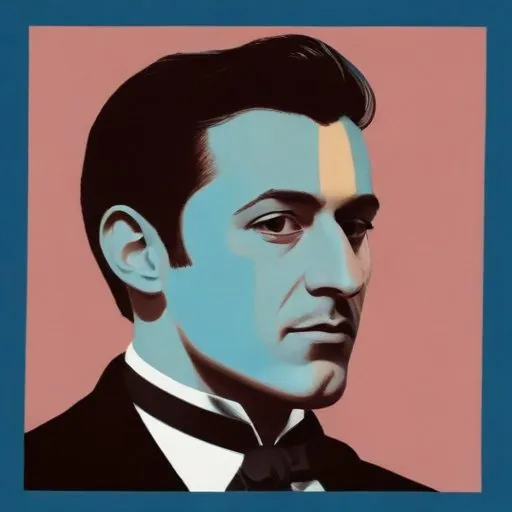
A renowned pianist, composer, and conductor, known for his interpretations of Beethoven and Brahms, as well as his own symphonic works.
Felix Weingartner, a renowned Austrian conductor, composer, and pianist, left an indelible mark on the world of classical music. Best known for his interpretations of Beethoven's symphonies, Weingartner was a prominent figure in the early 20th century, leading some of the most prestigious orchestras in Europe and the United States.
Born on June 2, 1863, in Zara, Dalmatia (now Zadar, Croatia), Weingartner was raised in Graz, Austria, after his family moved there in 1868. His father's death later that year led his mother to encourage his musical talents, which were further nurtured by his studies with Wilhelm Mayer. Weingartner's early interests lay in philosophy, but he soon devoted himself entirely to music, entering the Conservatory in Leipzig in 1883.
Weingartner's conducting career was marked by numerous highlights, including a 1902 performance of all nine Beethoven symphonies at the Mainz Festival. He went on to become the Director of the Vienna Hofoper from 1907 to 1910, succeeding Gustav Mahler. Weingartner retained the conductorship of the Vienna Philharmonic until 1927, during which time he also conducted regularly in the United States with the Boston Opera Company.
Weingartner's impact on classical music is still felt today. He was a champion of Beethoven's music, and his recordings of the symphonies remain highly regarded. His tenure with the Vienna Philharmonic helped shape the orchestra's sound and repertoire, and he was a respected teacher, counting among his students the renowned conductor, Josef Krips.
Weingartner's personal life was marked by his dedication to music. He died on May 7, 1942, leaving behind a legacy of performances, compositions, and a deep appreciation for the classical music tradition.
"The art of music is the only one of the arts that does not produce any material remains, yet it is the most profound and lasting of all."
These words, spoken by Weingartner, reflect his passion for music and its ability to transcend time and space.
Felix Weingartner's contributions to classical music continue to inspire and influence musicians today, cementing his place as one of the most important figures in the history of classical music.
Born in 1811
A virtuosic pianist and composer who revolutionized classical music with his technically demanding and emotionally expressive works, blending Hungarian folk influences with Romantic-era drama.
Born in 1830
A renowned pianist and composer, known for his virtuosic performances and innovative interpretations of classical music, particularly his work with Richard Wagner.
Born in 1864
A renowned composer and conductor of the late Romantic era, known for his tone poems and operas that showcased his mastery of orchestration and expressive storytelling.
Born in 1860
A visionary composer and conductor who expanded symphonic music's emotional depth and complexity, creating works of profound beauty and intensity.
Born in 1813
A revolutionary composer who transformed opera with his epic, mythological works, creating a new era of musical storytelling. His iconic operas, such as "Der Ring des Nibelungen," continue to captivate audiences worldwide.
Born in 1824
A renowned composer of symphonies and sacred music, known for his complex harmonies and innovative orchestration. His works are considered a bridge between Romanticism and modern classical music.
Born in 1833
A renowned pianist and composer, he crafted complex, expressive works that blended traditional and innovative techniques, leaving an indelible mark on classical music.
Born in 1840
A renowned Russian composer and educator, he is best known for his iconic and beloved ballets, such as Swan Lake and The Nutcracker, which continue to enchant audiences worldwide.
